






Key Takeaways
- Working from home removes the natural boundary between work and rest, so your brain can stay in work mode long after you've logged off.
- An evening transition routine works by creating a clear end-of-work signal, giving your mind permission to actually switch off.
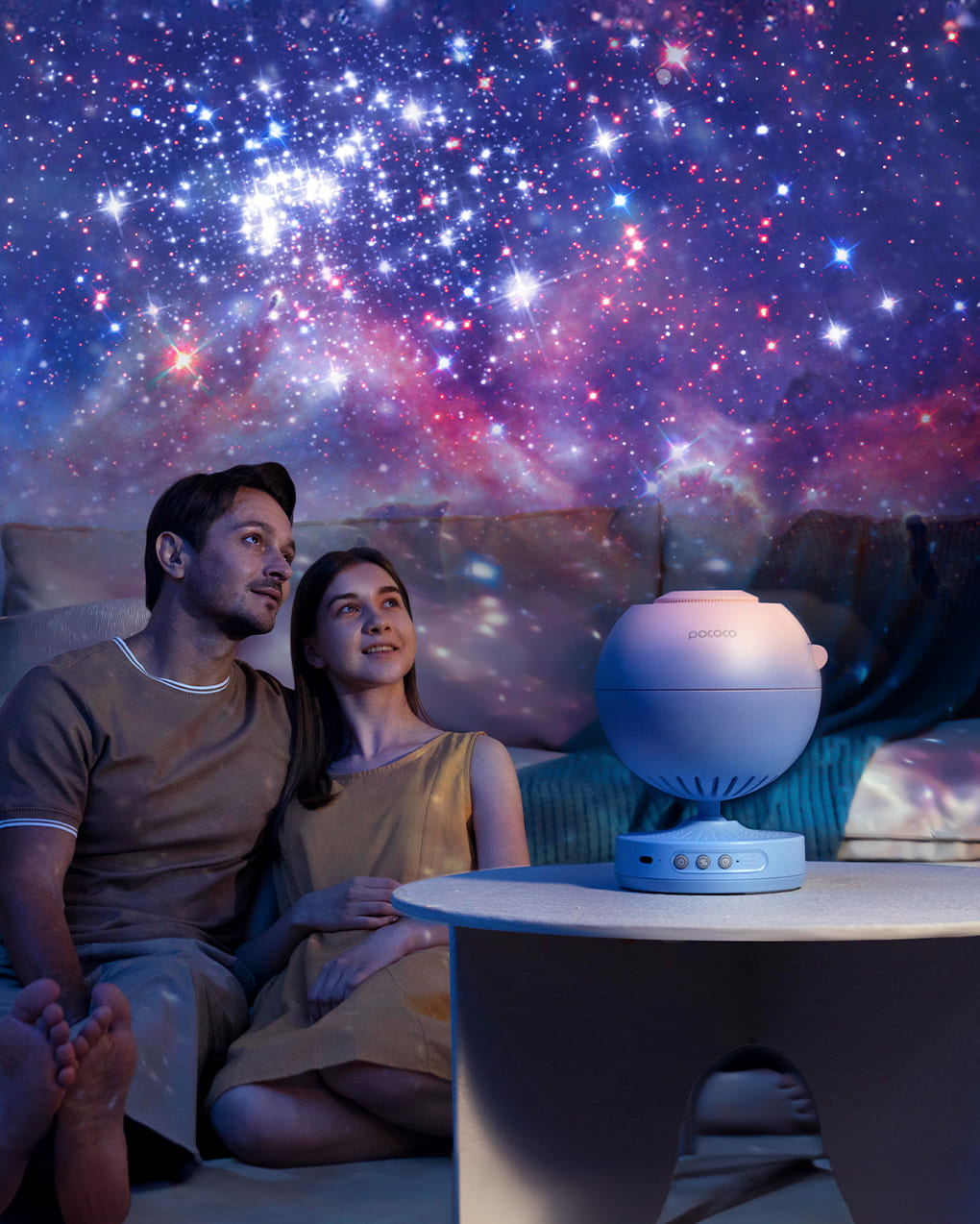
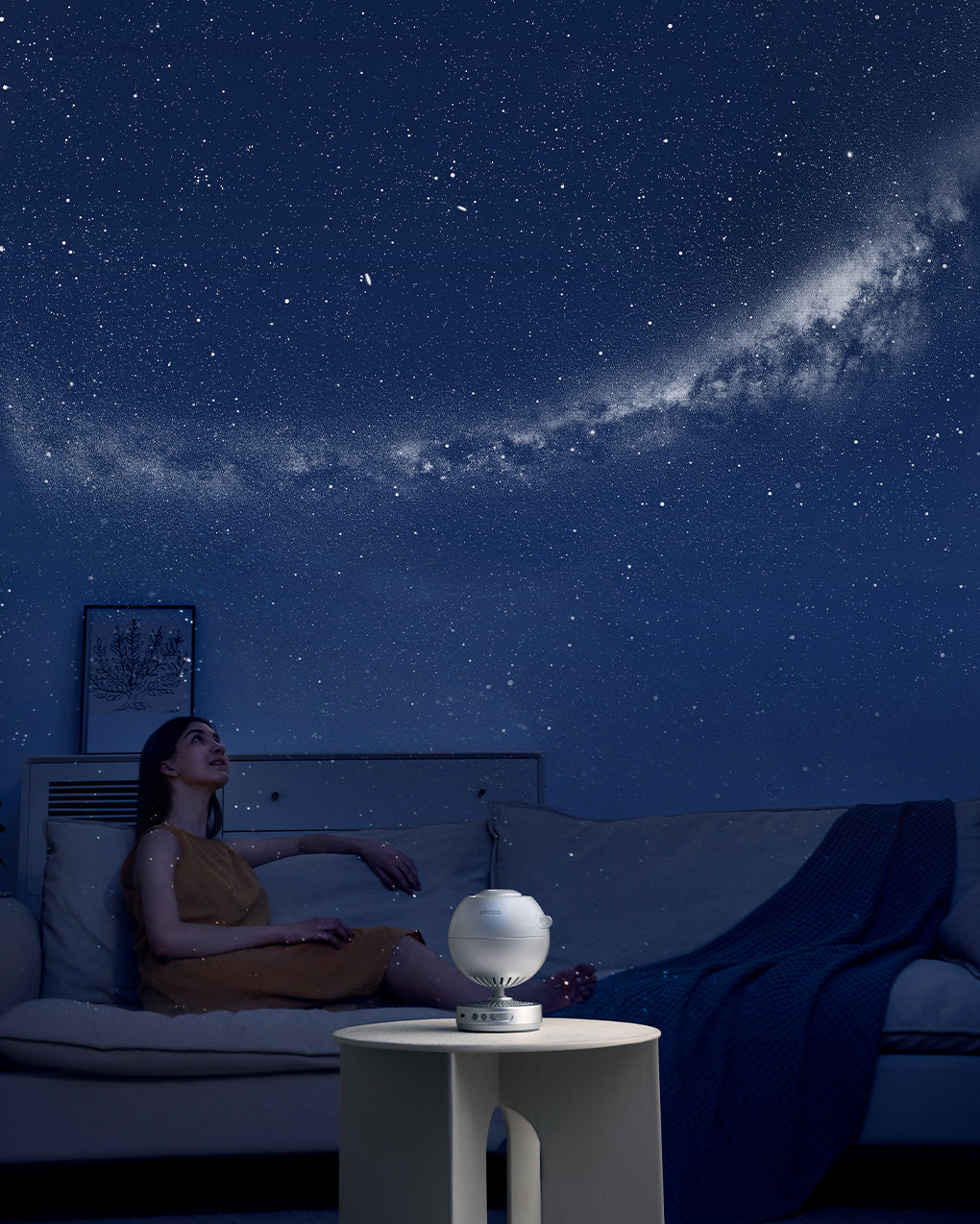
- Changing your lighting, like turning on a calming galaxy projector, can become the simple visual cue that tells your brain the workday is over.
Your laptop is closed, but your mind is still replying to emails. Working from home has a way of blurring the line between work and rest until there's no clear moment when the day actually ends.
In an office, leaving the building used to do that job for you. At home, closing your laptop isn't enough — you need a routine that tells your brain the workday is actually over.
Table of Contents
- Why Working From Home Makes It Harder to Switch Off
- What Is an Evening Transition Routine?
- 7 Evening Routine Ideas to Help You Reset After Work
- How Lighting Can Help Create a Better Transition From Work to Rest
- Build Your Own 15-Minute Evening Transition Routine
- FAQ
Why Working From Home Makes It Harder to Switch Off
When your workspace and your living space are the same room, there's no clear line between the two. There's no commute to create distance, no walk out of an office to signal the day is done, so your brain can stay in problem-solving mode well past the moment you've actually stopped working.
What Is an Evening Transition Routine?
An evening transition routine isn't just a wind-down habit. It's a deliberate bridge between two states, work mode and relaxation mode, with a short ritual in between. Without that bridge, most people don't really switch mental gears. They just stop typing while their mind keeps working.
7 Evening Routine Ideas to Help You Reset After Work
A good transition routine doesn't need to be long. A few consistent steps are usually enough:
- Create a clear end-of-work ritual. Shut down your laptop, jot down tomorrow's first task, and tidy your desk — small closing signals your brain can recognize.
- Change your physical environment. Dim the lights or move to a different room. A shift in atmosphere can help reduce visual overstimulation built up from a day at the screen.
- Move your body for a few minutes. A short walk or stretch helps burn off the last of the day's mental tension.
- Create a no-screen wind-down period. Even fifteen screen-free minutes gives your mind room to settle before sleep.
- Build a relaxing evening corner. A chair, a lamp, and nothing work-related — one spot in your home set aside to create a relaxing evening space.
- Practice a simple reflection ritual. A few lines in a journal or one thing you're grateful for closes the day on your own terms.
- Keep a consistent sleep preparation routine. Ending each evening the same way, and taking the time to build a better sleep environment, makes switching off easier over time.
How Lighting Can Help Create a Better Transition From Work to Rest
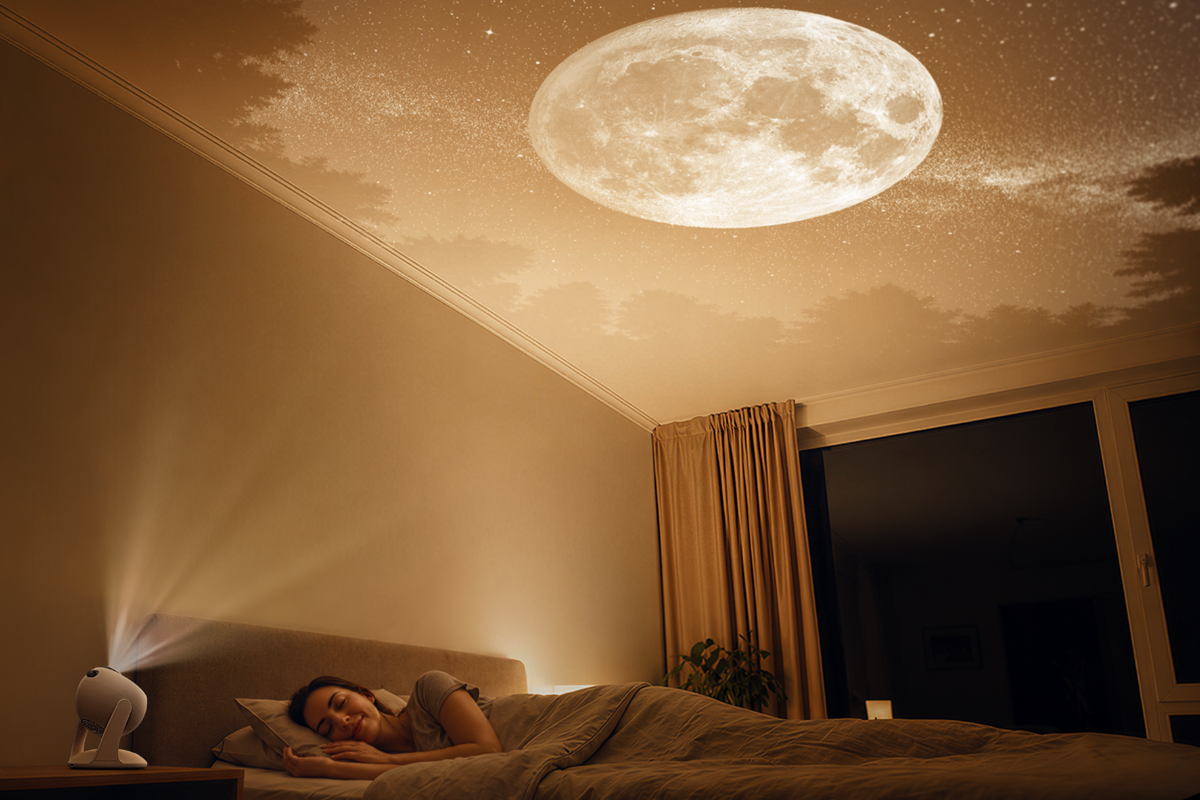
Light is one of the simplest signals you can change. The same overhead brightness that keeps you alert during work hours can keep your brain in that same alert state well into the evening. A softer, warmer visual atmosphere can become a simple cue that tells your brain the workday is over.
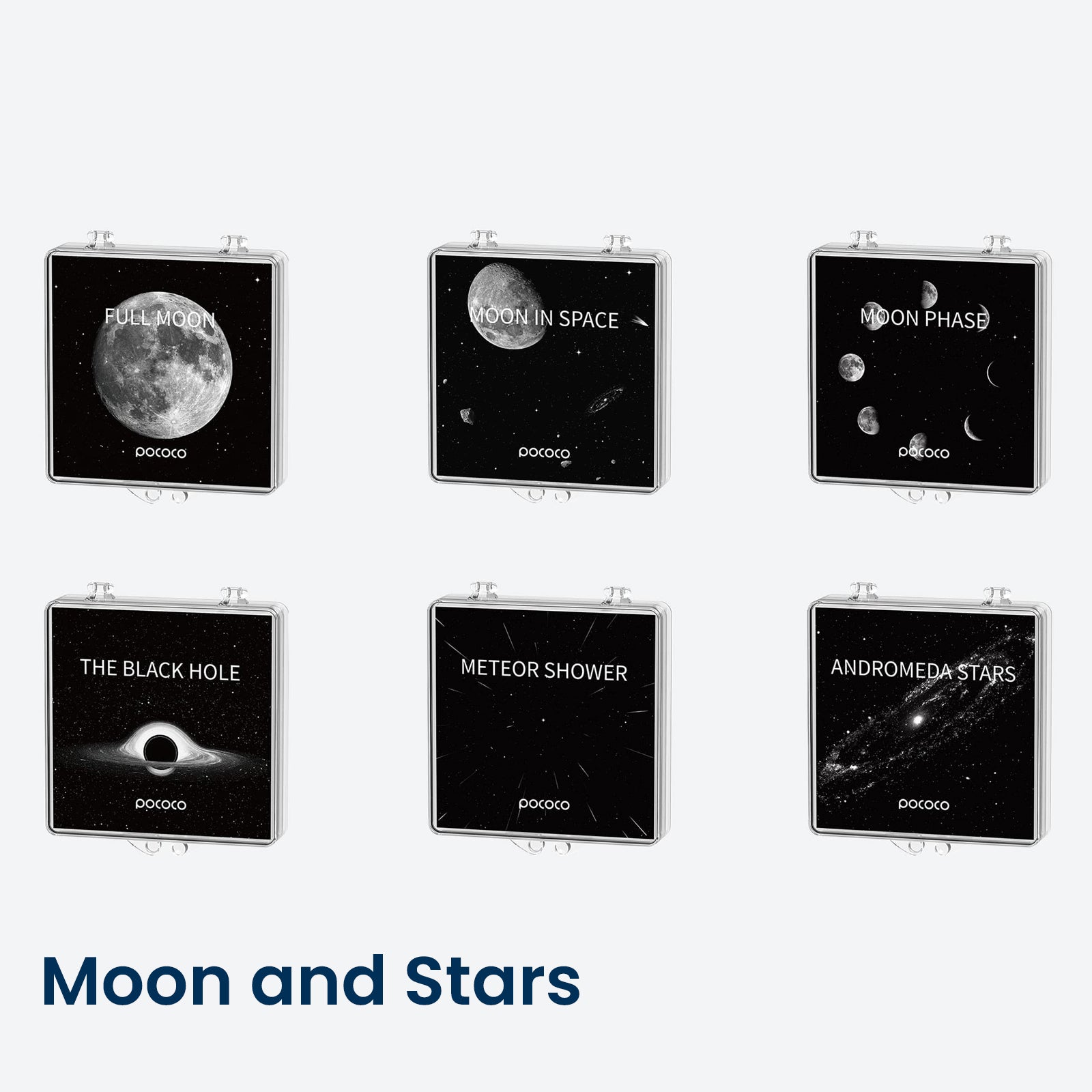
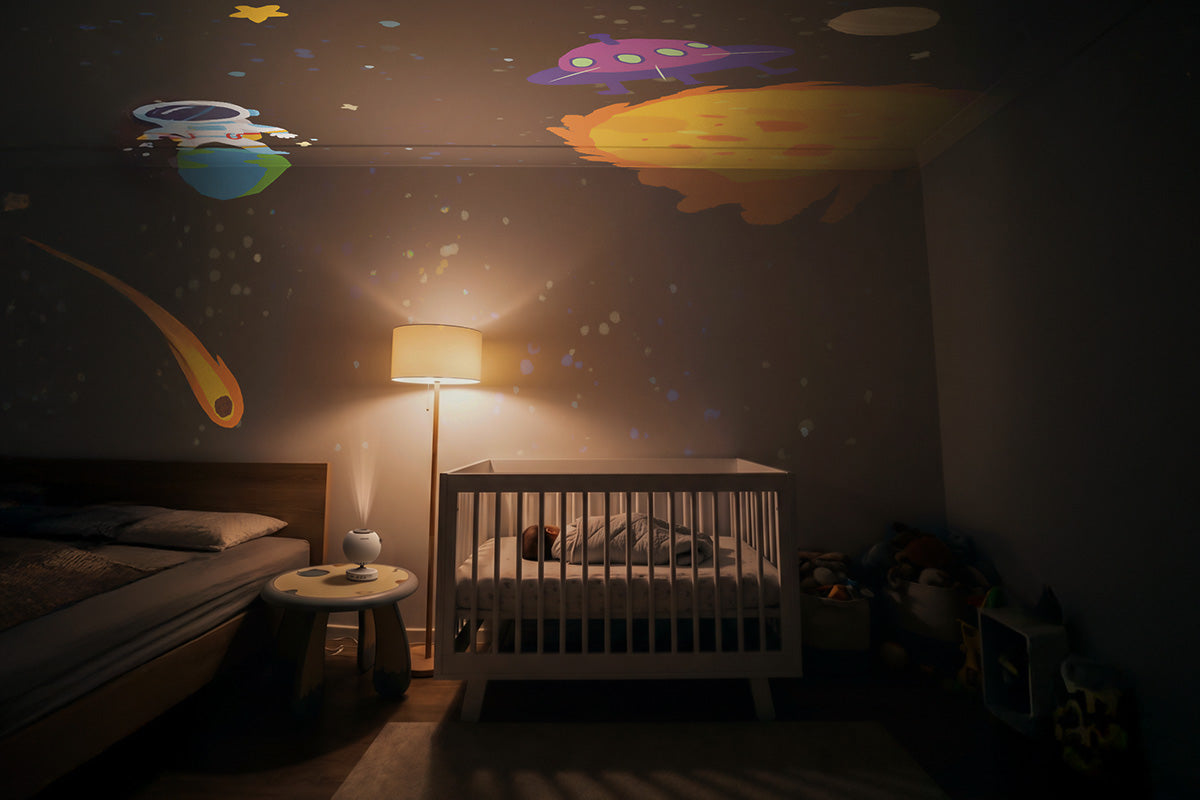
This is where something like a POCOCO galaxy projector fits naturally into the ritual. It isn't there to reduce your stress directly — it's more of an evening ritual companion: close the laptop, turn it on, and let its slow-moving light be the signal that shifts you from work mode into a book, some music, or simply doing nothing for a while.
Shop the POCOCO Galaxy Projector →
Build Your Own 15-Minute Evening Transition Routine
If you want a simple starting point, try this fifteen-minute version tonight:
| Time | What to Do |
|---|---|
| 0–5 min | Close out work tasks and tidy your workspace |
| 5–10 min | Change your environment — dim the lights or switch rooms |
| 10–15 min | Do one relaxing activity — read, stretch, or just sit with music |
Adjust the minutes to fit your evening. The order matters more than the exact timing — what counts is giving yourself a clear, repeatable signal that work is over.
FAQ
What is an evening routine?
An evening routine is a consistent set of steps you follow after work to help your mind and body shift out of work mode. It can be as simple as closing your laptop, changing your lighting, and doing one relaxing activity before bed.
How can I relax after working from home?
Start by creating a clear boundary between work and rest, even a small one. Closing your laptop fully, changing rooms or lighting, and doing something screen-free for fifteen minutes can help your mind register that the workday has actually ended.
Why is it hard to switch off after working from home?
Without a commute or a physical office to leave, there's often no clear signal that the day is over. Your brain can stay in problem-solving mode simply because nothing in your environment has changed to suggest otherwise.
What are relaxing activities before bed?
Low-stimulation activities work best: reading, gentle stretching, journaling, or sitting with soft lighting and quiet music. The specific activity matters less than doing it consistently as part of the same nightly routine.


Commenta
Nota che i commenti devono essere approvati prima di essere pubblicati.
Questo sito è protetto da hCaptcha e applica le Norme sulla privacy e i Termini di servizio di hCaptcha.