

Key Takeaways
- The best star projector for kids depends on the goal — realistic astronomy, calming bedtime atmosphere, or decorative room lighting each call for a different type of product.
- For families focused on bedtime routines and screen-free wind-down, a projector with interchangeable discs, quiet operation, and warm soft light is the most practical long-term choice.
- POCOCO's galaxy projector stands out for its disc variety, calm projection quality, and versatility across ages — making it one of the strongest options for both gift-giving and everyday use.
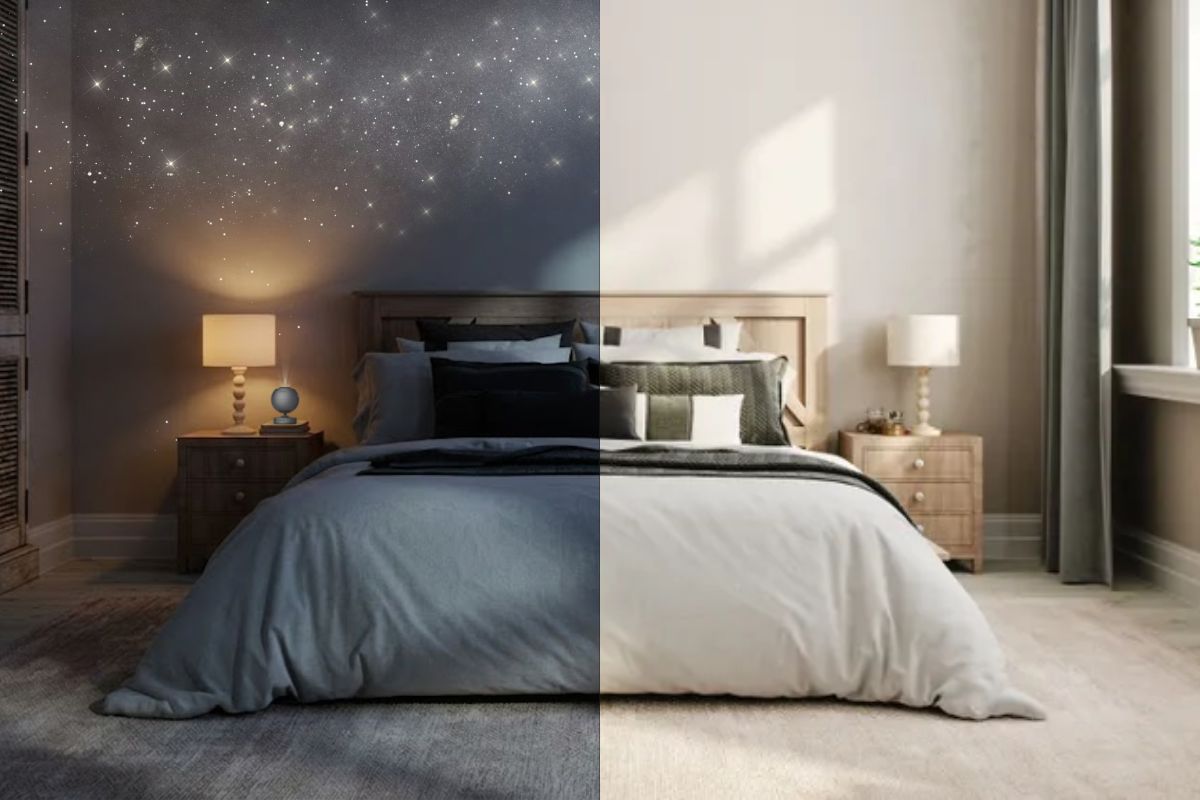
A star projector can do more than decorate a ceiling. For kids, it can become part of a nightly ritual — something that signals the day is ending and makes the transition to sleep feel less like a battle. For parents, it's a gift that keeps being useful long after the novelty of most toys has worn off.
But not all star projectors are built for the same purpose. Some are designed for realistic astronomy. Some are decorative lights with galaxy effects. Some are best for older kids, others for toddlers. This guide cuts through the options to help you find the right fit — with a clear recommendation for families who want a projector that genuinely supports better nights.
What to Look for in a Star Projector for Kids
Before comparing products, it helps to know what actually matters for a kids' room — because the features that make a projector impressive in a demo aren't always the ones that make it useful at bedtime. It also helps to know what actually separates a star projector, galaxy projector, and planetarium projector, since the terms get used interchangeably even though they don't always mean the same thing.
- Projection quality: Soft, diffused light is better for sleep than sharp laser-style effects. For bedtime use, warm and gentle beats bright and dramatic.
- Timer and auto shutoff: Essential for kids' rooms. A projector that runs all night is a distraction, not a sleep aid. Look for 30-, 60-, or 90-minute timer options.
- Disc variety or scene options: A projector that can change scenes keeps kids engaged over time — and gives parents flexibility to match the mood of the night.
- Quiet operation: If the projector rotates or has a motor, noise level matters. Loud mechanical sounds work against a calm bedtime environment.
- Age suitability: Follow the product's age guidance. For younger children, prioritize stable placement, no accessible small parts, and low brightness settings.

Our Top Pick — POCOCO Star Projector
Best for: families who want a calming bedtime projector with disc variety, quiet operation, and a design that grows with the child.
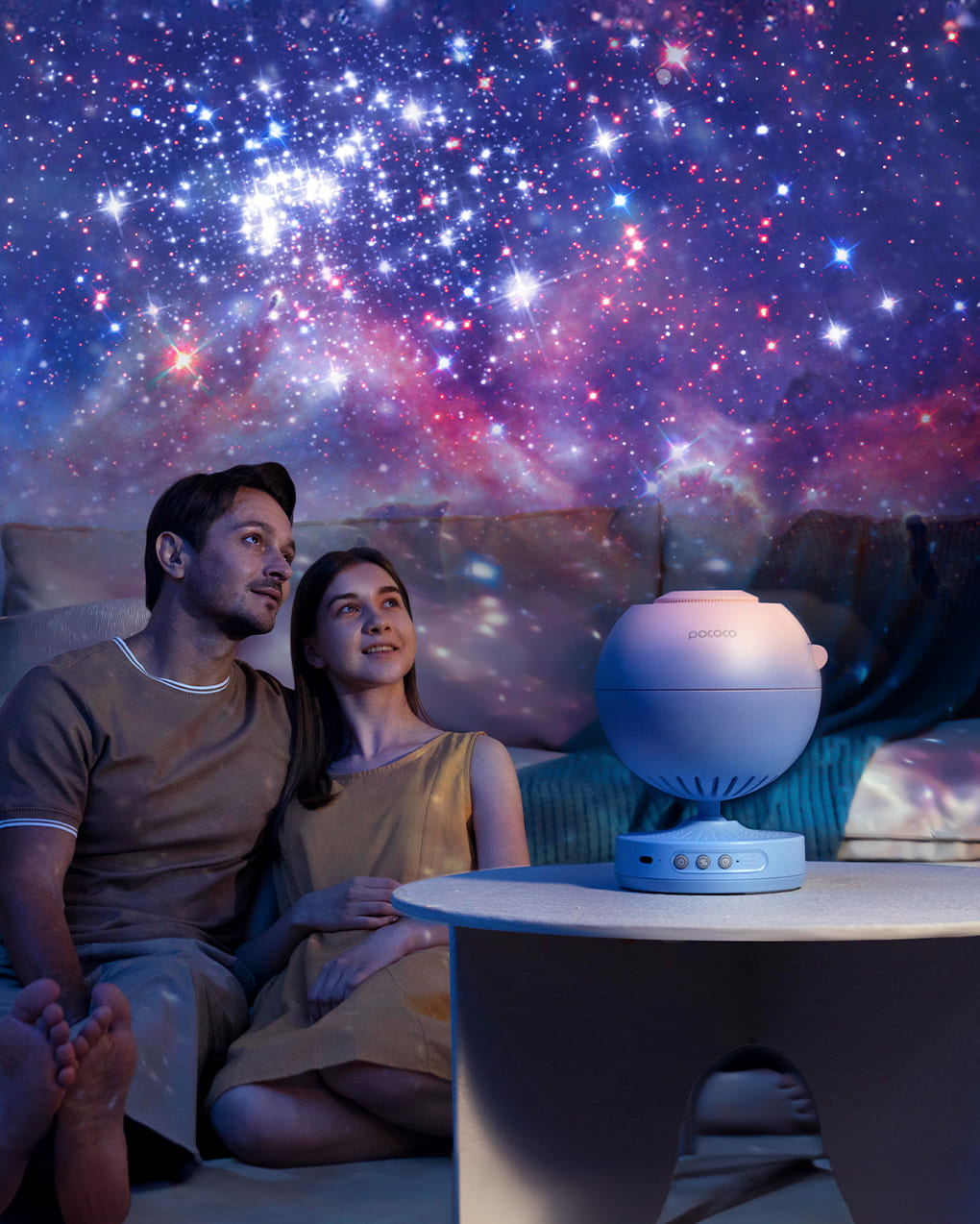
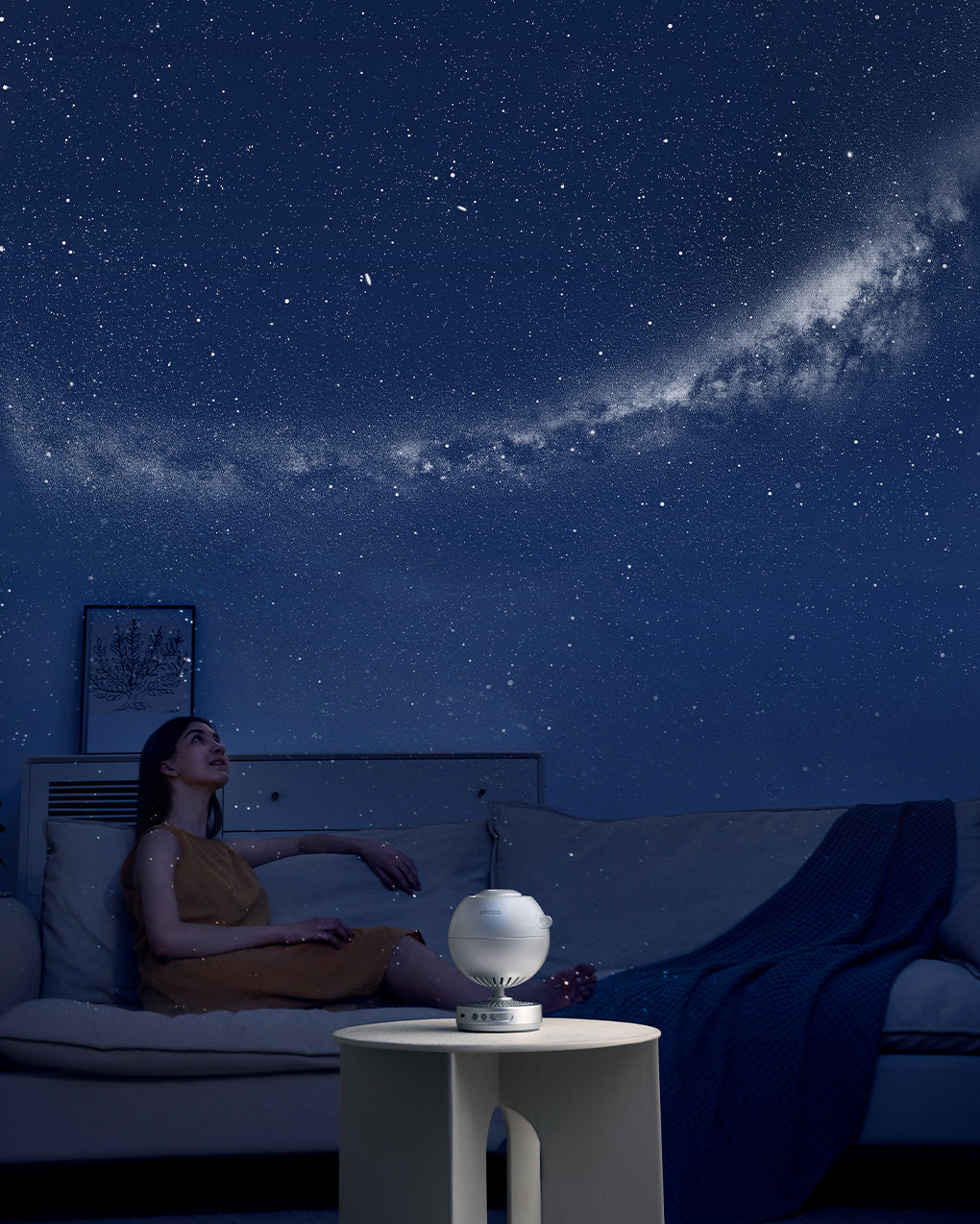
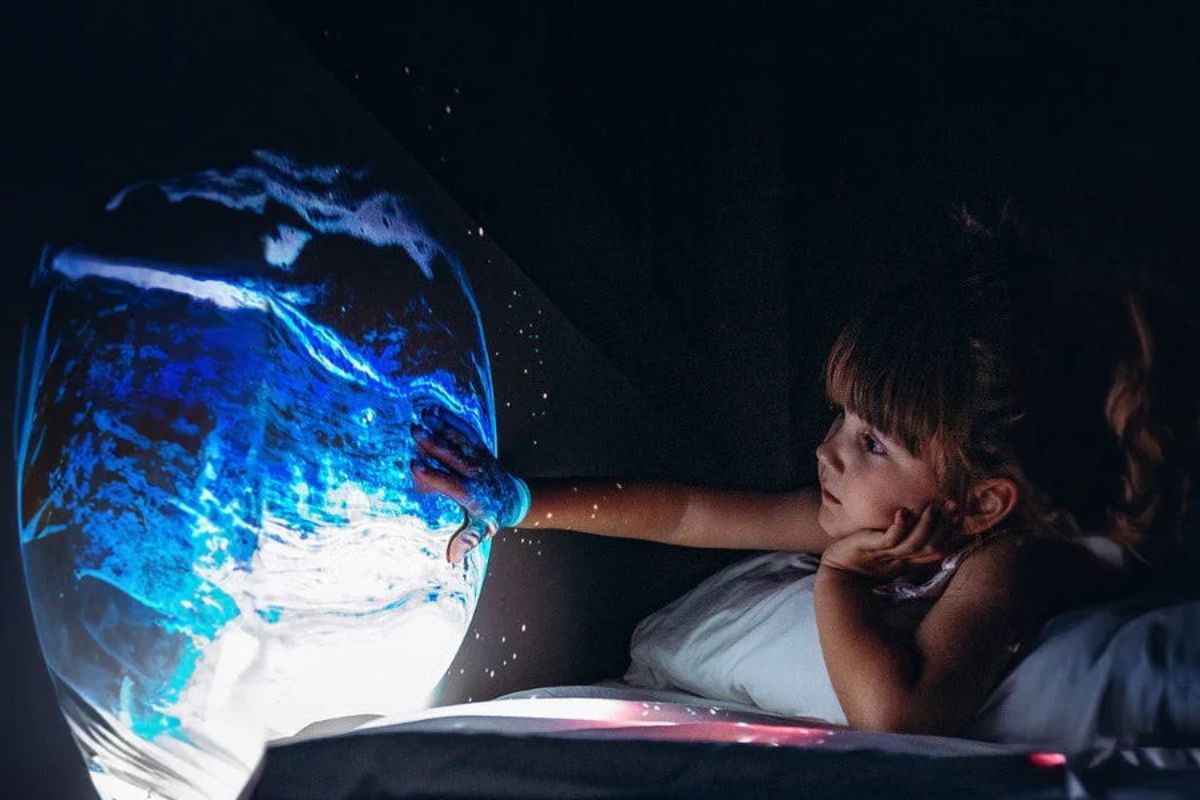
The POCOCO Star Projector is our top recommendation for kids' rooms because it does the thing that matters most at bedtime: it makes the room feel genuinely calm. The multi-layer optical lens produces a soft, immersive star field — not sharp or jarring, but the kind of slow, warm light that gives a child's visual system somewhere quiet to land before sleep.
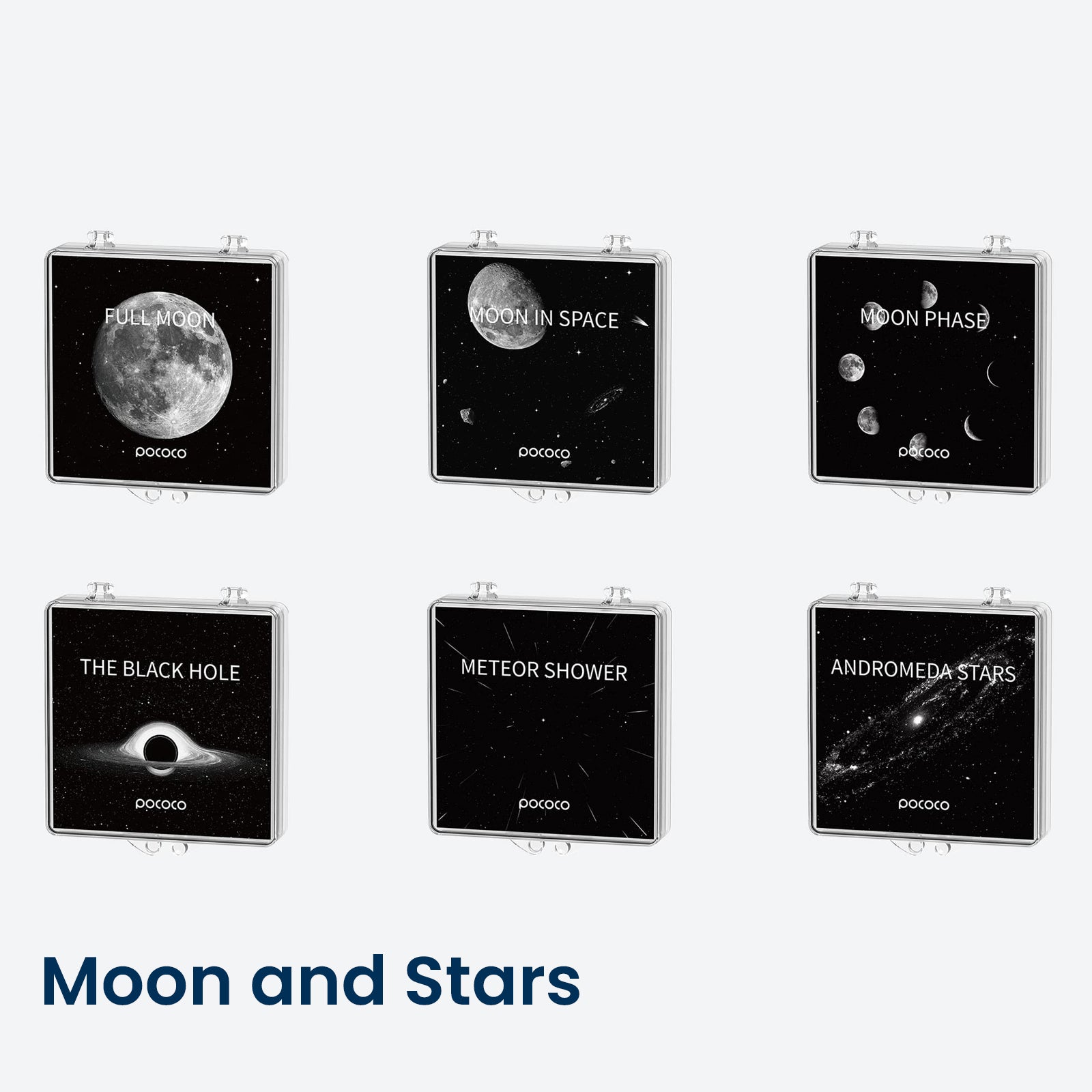
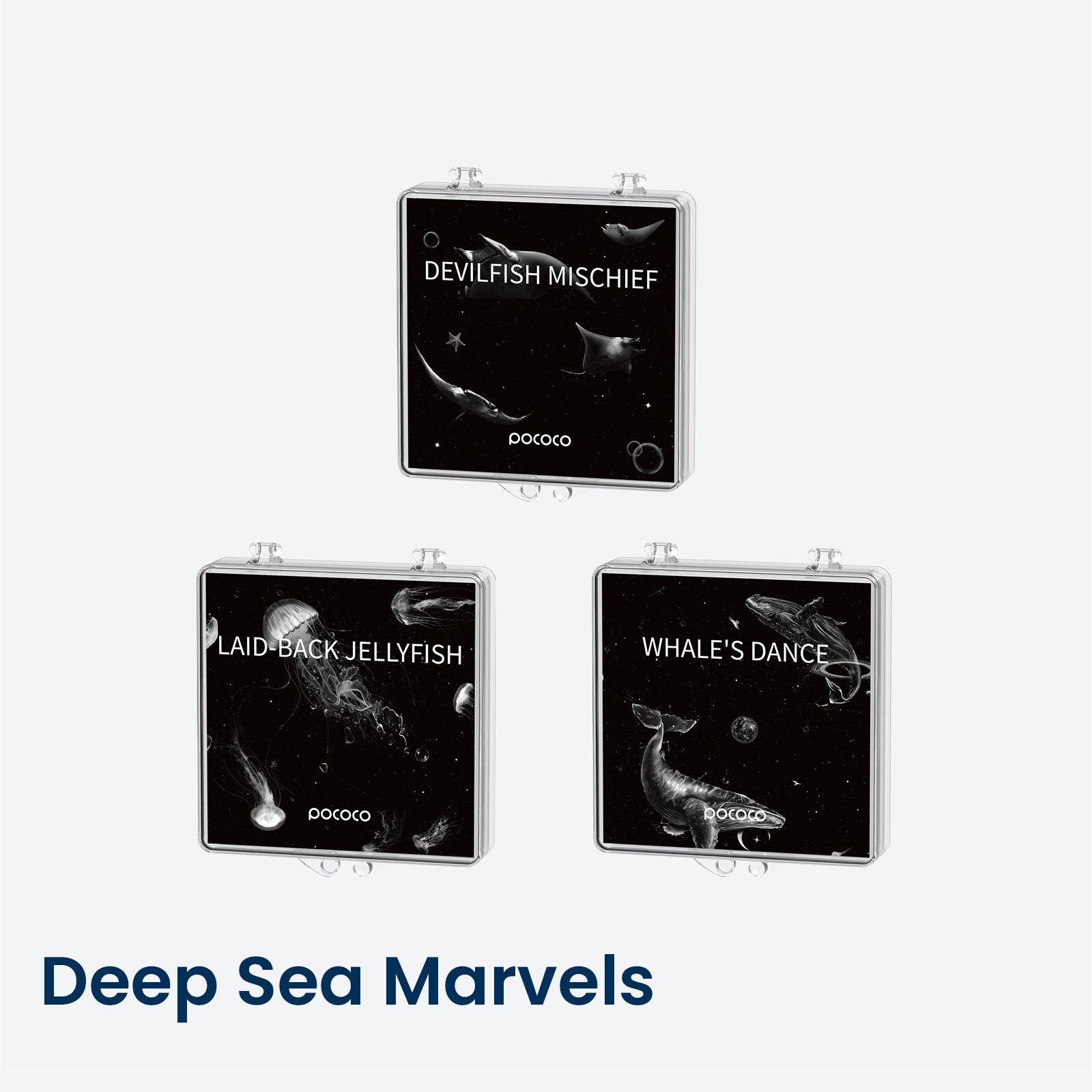
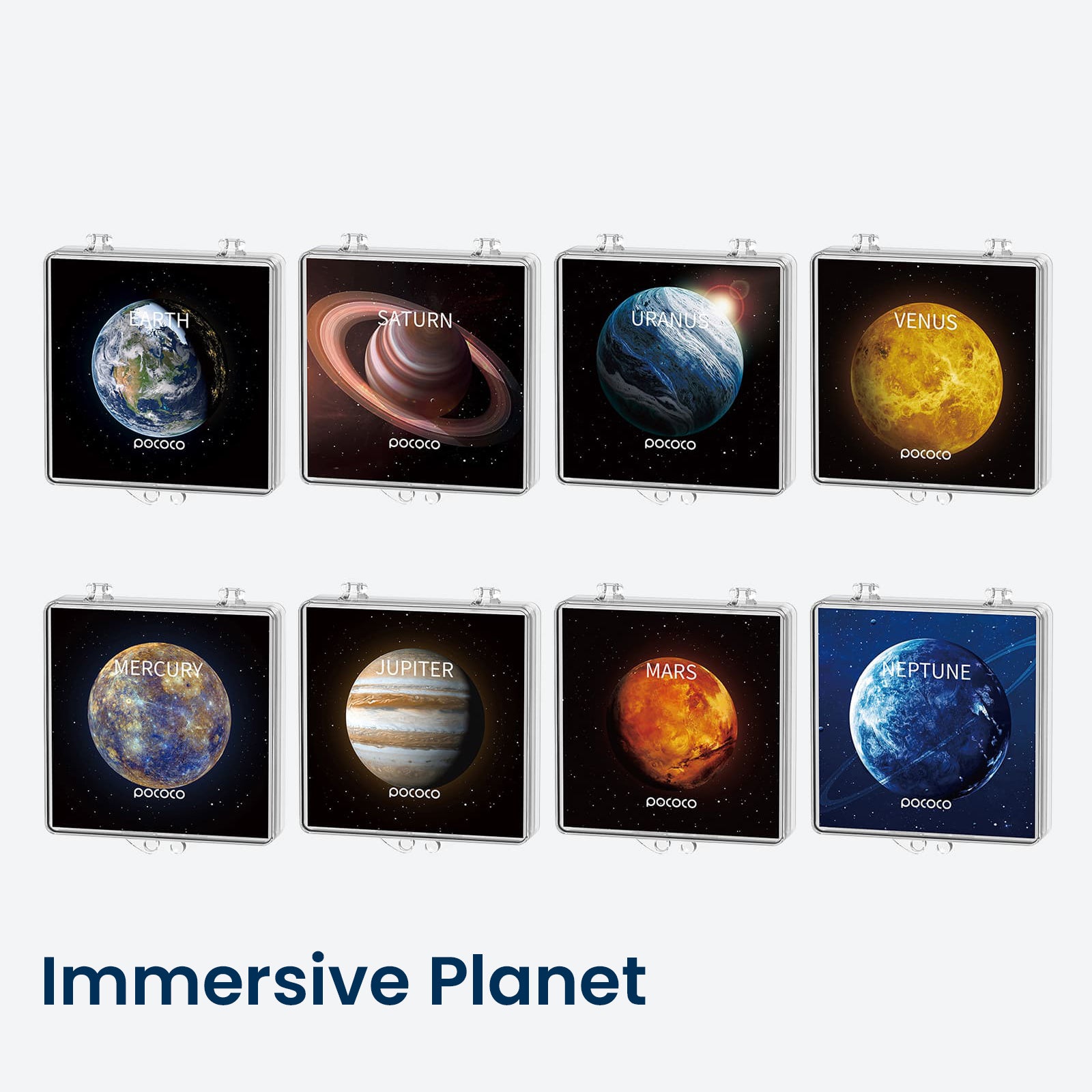
What sets it apart from most projectors in this category is the interchangeable disc system. POCOCO offers a growing library of themed discs — from classic Diamond Stars and galaxy nebulae to moon scenes, aurora effects, and deep-sea visuals. Each disc transforms the room into a completely different environment, which means the projector stays interesting over months and years rather than becoming background noise after the first week.
- Projection quality: 5K Ultra HD discs with multi-layer optical lens, flicker-free and soft on the eyes
- Timer: Preset auto shutoff so the projector doesn't run all night
- Disc variety: Two discs included (Diamond Stars and Westerlund 2), with an expanding library of themed sets available separately
- Power: Rechargeable battery and USB power option for flexible placement anywhere in the room
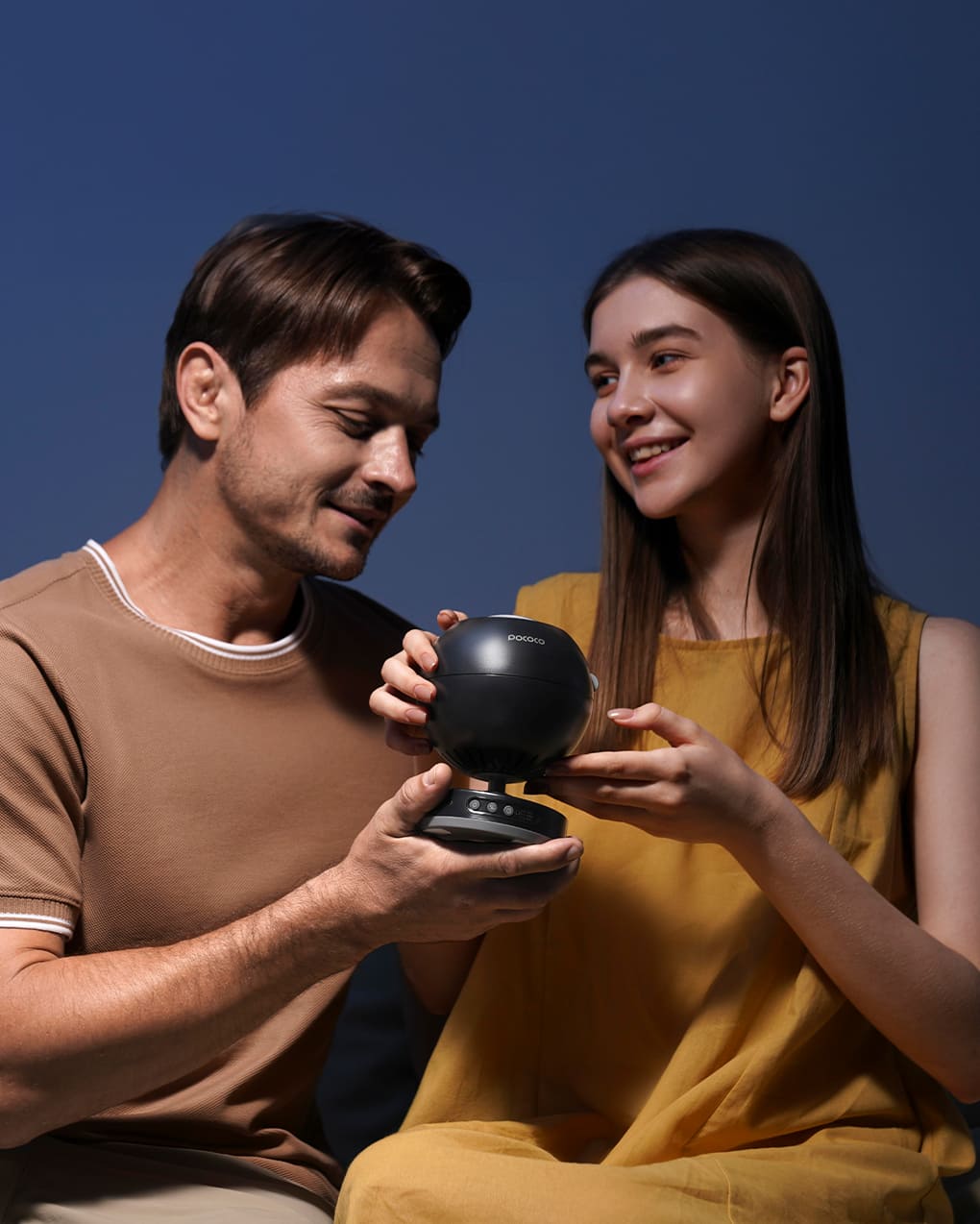
- Design: Spherical, understated form that fits bedrooms, nurseries, and shared family spaces without looking out of place
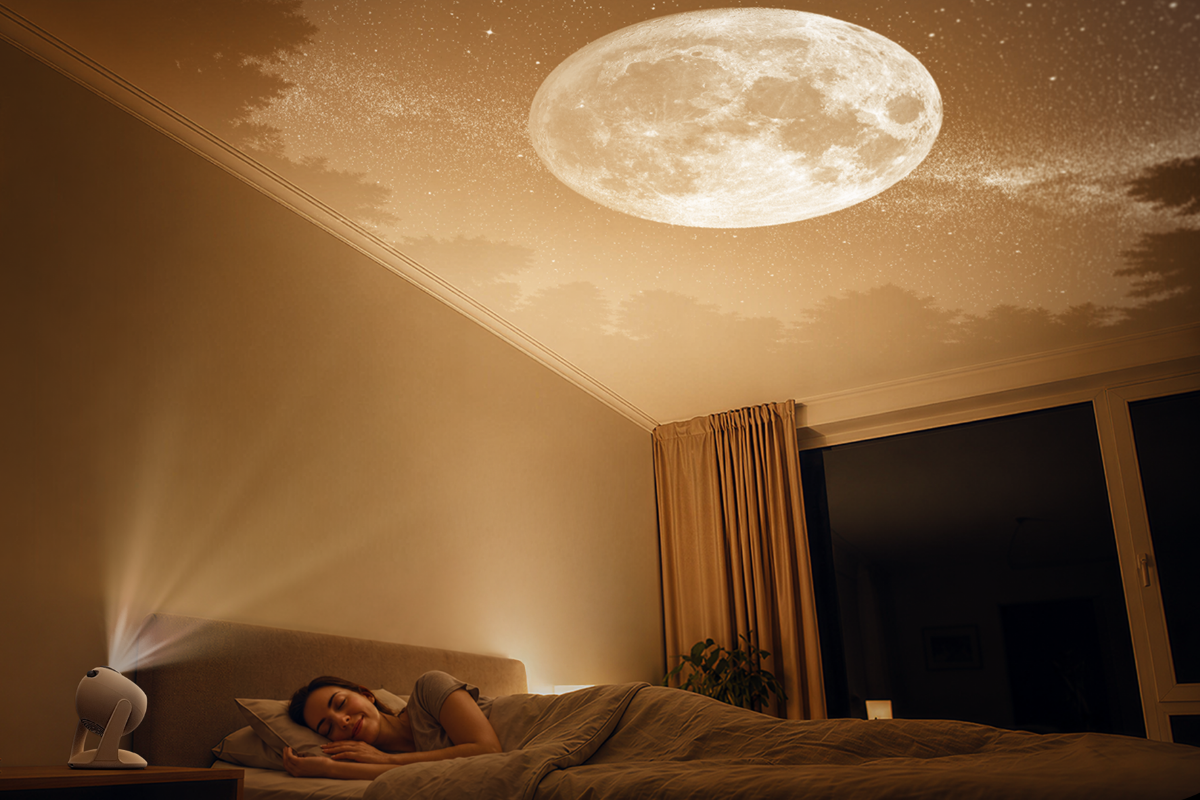
For parents building a consistent bedtime routine, the POCOCO projector works particularly well as a nightly cue. Turned on at the same time each evening, it becomes a signal the child's brain starts to associate with rest — a quiet, repeatable marker that the day is ending. That kind of environmental consistency is one of the most effective tools for helping kids wind down, especially at ages when bedtime resistance is a nightly challenge.
It's also genuinely versatile. The same projector that helps a toddler fall asleep can become a source of curiosity for an older child interested in space — different discs, different moods, different conversations about what's on the ceiling. That longevity makes it one of the stronger gift choices across a wide age range.
Other Options Worth Considering
Depending on the child's age, interests, and what the projector is being used for, these alternatives may be a better fit for specific situations.
Sega Toys Homestar Flux
Best for: older kids and astronomy enthusiasts who want a realistic home planetarium experience.
The Homestar Flux projects more than 60,000 high-definition stars with glass optical lenses — sharper and more scientifically accurate than a galaxy lamp. It's the strongest choice for children who want to learn constellations or who are genuinely interested in astronomy rather than bedtime atmosphere. Less suitable for younger children or families whose primary goal is sleep support. For families who want that educational angle without giving up the bedtime-friendly features, building a personal universe with a home planetarium projector is worth a look too.
BlissLights Sky Lite 2.0
Best for: families who want app-controlled color customization and a galaxy ambience light.
The Sky Lite 2.0 combines laser stars with a soft RGB nebula cloud, with app control for colors, timers, and effects. A strong option for older kids or teens who want more control over their room's atmosphere. Because it uses laser effects, placement should be considered carefully — beams should not be directed toward eyes.
Astronaut Galaxy Projector
Best for: space-themed rooms and children who want a decorative, playful gift.
The astronaut-shaped body doubles as a room accent when the light is off, which gives it strong gift appeal for kids who love space aesthetics. The projection effects are more decorative than sleep-focused — better as a fun room feature than a bedtime wind-down tool.
BRIGHTWORLD Moon Lamp
Best for: younger children who prefer a soft, recognizable bedside light over a ceiling projection.
The moon-textured surface and gentle color effects make this a more approachable option for toddlers or children who find moving ceiling projections too stimulating at night. Less immersive than a full projector, but a calmer and simpler choice for very young kids.
Safety Notes for Kids' Rooms
For any projector used in a child's room, a few basic precautions apply regardless of which product you choose.
- Place the projector where children cannot stare directly into the light source.
- For laser-based projectors, avoid aiming beams at faces, mirrors, windows, or reflective surfaces. Look for IEC Class 1 safety labeling on any laser toy.
- Use the lowest comfortable brightness for bedtime — bright or fast-moving effects can be stimulating rather than calming.
- Choose models with a timer or auto shutoff for sleep routines, so the projector doesn't run all night.
- Keep cords, adapters, and small parts out of reach of younger children.
FAQ
What is the best star projector for kids?
For most families, the POCOCO Star Projector is the strongest all-around choice — particularly for bedtime use. Its soft projection quality, interchangeable disc system, quiet operation, and timer make it well-suited to kids' rooms across a wide age range. For families focused on astronomy education, the Sega Toys Homestar Flux is the more realistic option.
Are star projectors suitable for young children?
Many are, when used according to the product's age guidance. For toddlers and younger children, prioritize low brightness, stable placement out of reach, no accessible small parts, and auto shutoff. Softer, slower projections are better than sharp laser effects or fast-moving patterns for this age group. If you're still deciding between a full projector and something simpler, comparing a galaxy projector to a traditional night light can help clarify which fits your child better.
Are laser star projectors safe for kids?
Laser-based projectors require extra care. Children should not look directly into beams, and parents should look for IEC Class 1 safety labeling. LED-based projectors like POCOCO avoid this concern entirely, making them a simpler choice for younger children's rooms.
What features matter most for bedtime?
Timer, quiet operation, low brightness settings, and gentle slow-moving projection are the most important bedtime features. Fast motion, flashing effects, or bright white light can keep children alert rather than helping them wind down. Warm, dim, and slow is the right direction for sleep support.
Do star projectors help kids sleep?
A star projector won't replace a sleep routine — but it can become a meaningful part of one. Used consistently at the same point each evening, the projector becomes a sensory cue that signals bedtime is coming. Over time, children's brains begin to associate the familiar light with rest, which can make the transition to sleep smoother and more predictable.
Find the Right Projector for Your Child's Room
The best star projector is the one that matches how it's going to be used. For families who want a decorative light, there are plenty of options. But for families who want something that genuinely supports better nights — a calming, consistent, versatile tool that grows with the child — the POCOCO Star Projector is the place to start.

Commenta
Nota che i commenti devono essere approvati prima di essere pubblicati.
Questo sito è protetto da hCaptcha e applica le Norme sulla privacy e i Termini di servizio di hCaptcha.