






Key Takeaways
- Many people struggle to fall asleep because their nervous system remains overstimulated at night.
- Sleep meditation can help calm the mind and support a more relaxed bedtime rhythm.
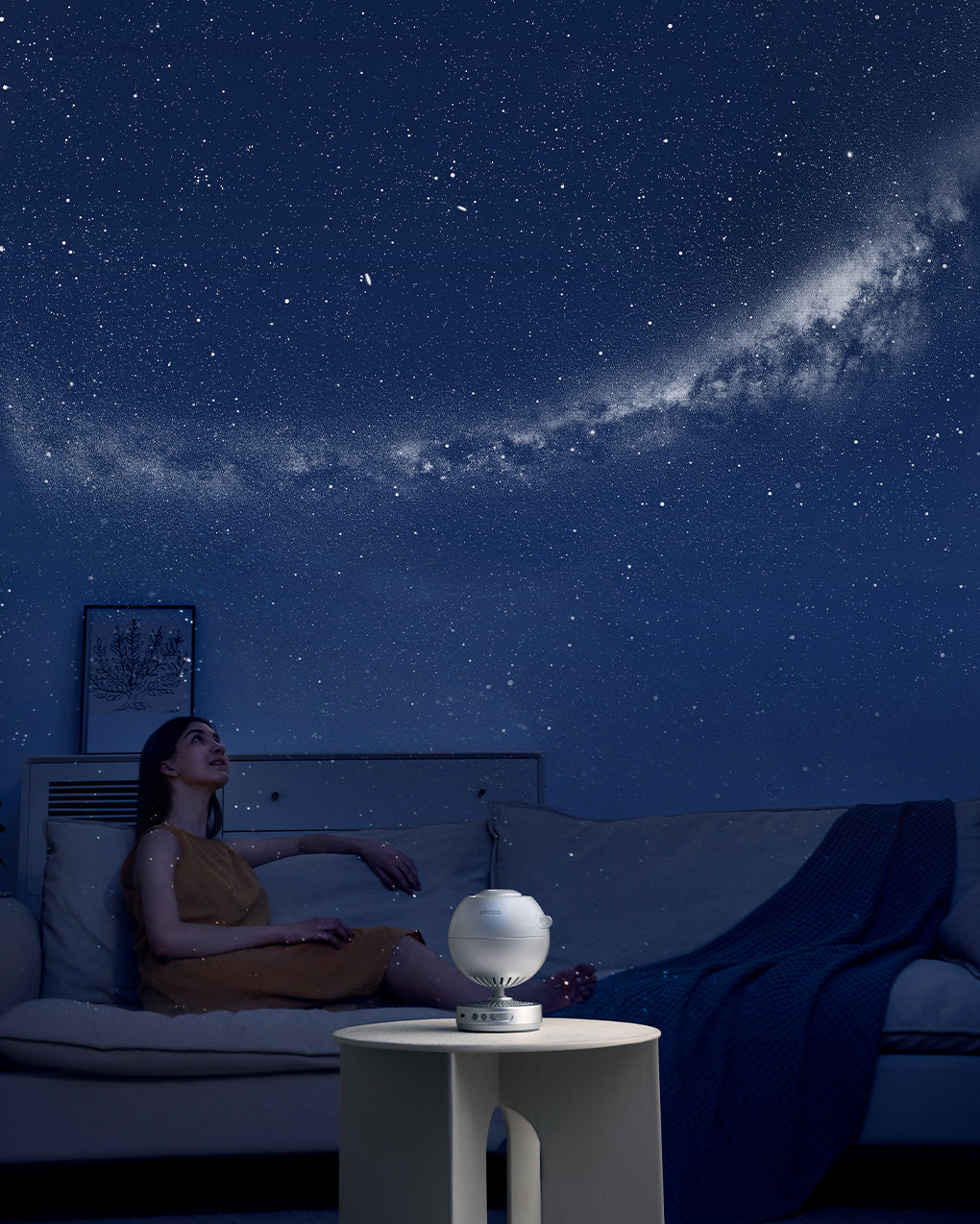
- A calming sleep environment—supported by tools like POCOCO—can make it easier to unwind before sleep.
After a long day, you finally lie down, expecting sleep to come easily. But instead, your mind keeps running—replaying thoughts about work, plans, or small worries that make it hard to relax your mind before sleep.
This is often because your nervous system is still active, even when your body is tired. Without a clear signal to slow down, falling asleep can feel difficult.
That’s where sleep meditation can help. Just a few minutes of meditation before bed, especially when combined with a calming sleep environment, can help you unwind before sleep and transition more naturally into rest.
Table of Contents
- What Is Sleep Meditation?
- 4 Simple Sleep Meditation Techniques You Can Try Tonight
- A 5-Step Sleep Meditation Routine with POCOCO
- Sleep Meditation FAQ
- Train Your Mind to Relax Before Sleep
What Is Sleep Meditation?
Sleep meditation is a simple practice designed to help your body and mind shift from being active to ready for rest. Unlike daytime meditation, which focuses on awareness or productivity, meditation before bed is about slowing everything down.
According to Mayo Clinic, meditation can help reduce stress and relax the body, which are both essential for improving sleep quality. By focusing on your breath, body sensations, or calming imagery, it gently signals your nervous system that it’s safe to let go.
Research from the National Center for Complementary and Integrative Health (NIH) also suggests that meditation may help improve sleep quality and reduce insomnia symptoms.
This makes sleep meditation especially helpful if you struggle with overthinking at night or difficulty winding down before sleep.
4 Simple Sleep Meditation Techniques You Can Try Tonight
Different sleep meditation techniques work for different needs—some help release physical tension, while others are better for calming a busy mind.
Here are four simple methods you can try depending on what your body and mind need tonight:

These techniques are commonly used in modern sleep meditation practices to help calm the mind and prepare the body for rest. Among them, body scan meditation is one of the most effective methods for improving sleep because it helps relax both the body and mind.
A 5-Step Sleep Meditation Routine with POCOCO
Instead of overthinking how to start, you can simply follow this gentle sleep meditation routine and let your body ease into rest naturally.
This approach is closely aligned with modern sleep hygiene recommendations, which emphasize consistent bedtime routines and reducing stimulation before sleep.
 Step 1: Set the Scene
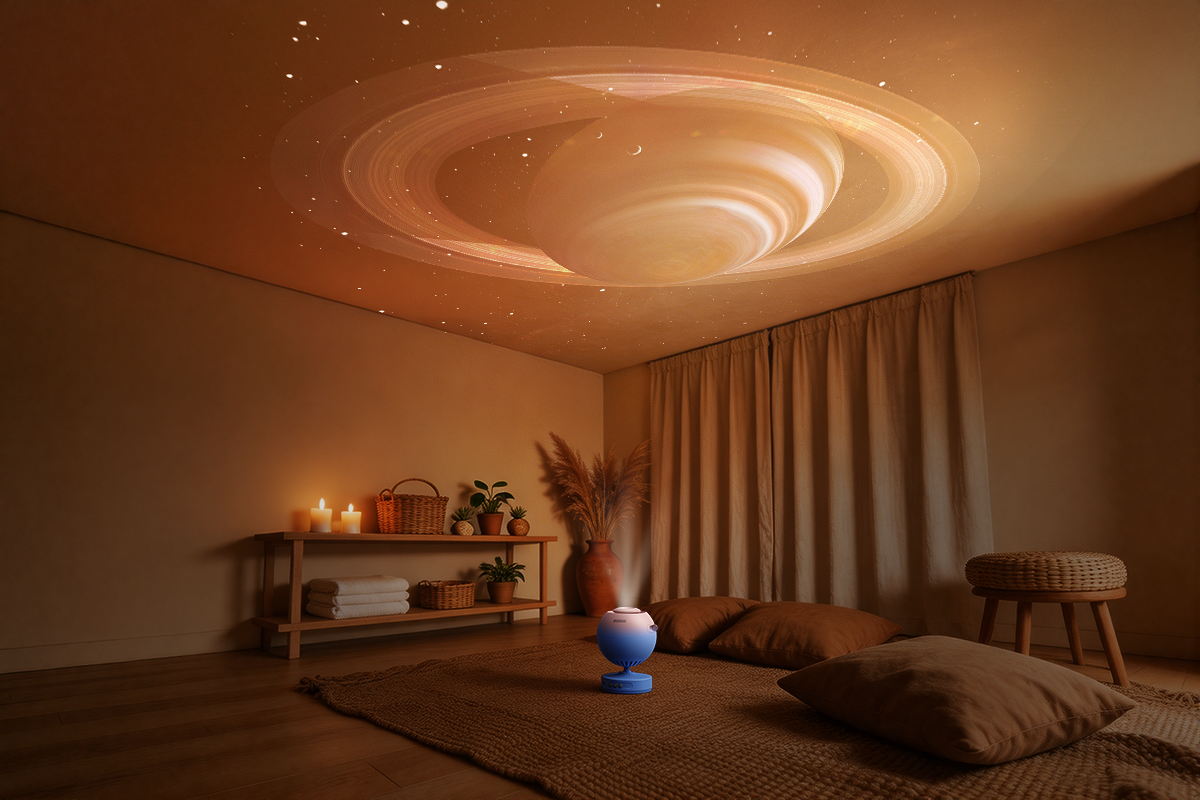
Start by creating a calm, dim sleep environment. Turn on your POCOCO galaxy projector and set a 30-minute timer. Let the soft, slow-moving light fill the room.
This gentle lighting shift helps your brain understand it’s time to slow down and unwind before sleep.
Step 2: Choose the Right Sound
Play soft meditation music or a guided sleep meditation, and set it to turn off automatically.
Think of sound as a background layer—it should support relaxation, not demand attention. Over time, this becomes a familiar sleep cue for your brain.
Step 3: Prepare Your Body and Mind
Lie down or sit comfortably. Let your eyes softly follow the slow movement of light. Relax your gaze and begin noticing your breathing.
Allow each inhale and exhale to become slower and steadier. You may feel your shoulders soften and your body sink into the bed.
Step 4: Close Your Eyes and Turn Inward
When your breathing feels calm and steady, gently close your eyes. Shift your attention inward and simply observe your breath without forcing anything.
This is where your mind begins to release the day.
Step 5: Begin the Body Scan
Imagine your attention as a soft light moving through your body.
Start from your toes, then slowly move upward—feet, legs, hips, stomach, chest, shoulders, and face.
Tips: At each area, notice sensations and let tension release naturally with each breath. There’s no need to rush. Just move slowly, like a scanner, observing each part of your body with patience. If your mind wanders, gently bring it back—again and again.
Sleep Meditation FAQ
What if I fall asleep during sleep meditation?
That’s completely normal. It simply means your body needed rest.
Why can’t I clear my mind during meditation before bed?
Your mind is not meant to be completely empty. The goal is to observe thoughts without reacting to them.
Is sleep meditation effective for anxiety before sleep?
Yes. Sleep meditation for anxiety may help calm the mind and reduce overthinking before bed.
Can sleep meditation help with insomnia?
Research from NIH suggests it may help improve sleep quality and reduce insomnia symptoms.
Can I meditate during the day?
Absolutely. A 5–15 minute session during the day can help reset your energy and improve focus.
How long should a sleep meditation session be?
Most people benefit from 10–20 minutes, but consistency matters more than duration.
Final Thoughts: Train Your Mind to Relax Before Sleep
Better sleep doesn’t come from forcing it—it comes from creating the right conditions for your mind to slow down. That’s why sleep meditation works. A consistent bedtime routine helps train your body to relax naturally at night.
Just as important is your sleep environment. A calm, low-stimulation space can make it much easier to unwind before sleep. That’s where tools like the POCOCO galaxy projector naturally fit into a modern bedtime ritual—helping you create a quiet, immersive environment for rest.
Better sleep isn’t about doing more. It’s about giving your mind permission to pause.




Leave a comment
All comments are moderated before being published.
This site is protected by hCaptcha and the hCaptcha Privacy Policy and Terms of Service apply.