






Key Takeaways
- A calming room is not about decoration — it is about reducing the mental and sensory signals that keep your brain in an active state.
- Most sleep difficulties are not purely psychological. They are often shaped by subtle environmental triggers we tend to overlook.
- Small, targeted changes in lighting, visual noise, and nighttime habits can significantly shift how your room feels — sometimes starting with an ambient lighting tool like POCOCO.
You lie down. You are tired. But the room still feels like it is on.
That familiar, frustrating feeling — being physically exhausted yet mentally unable to settle — is something many people experience regularly. And for most of them, the instinct is to blame themselves: their thoughts, their stress, their inability to just switch off.
But the room itself is rarely questioned.
This article is about that — the environment you sleep in, why it may be working against you, and what a truly calming room actually looks and feels like. Not in an aesthetic sense, but in the way it interacts with your nervous system.
Why Your Room Affects Your Mind More Than You Think
Picture this: you are sitting on your couch watching something low-key, and you feel genuinely drowsy. You get up, walk to your bedroom, lie down — and the sleepiness starts to fade. Not dramatically, but just enough to notice. Your mind wakes up slightly. You reach for your phone.
This is not a coincidence, and it is not just a bad habit.
Your brain is continuously reading environmental cues and making decisions based on them. It learns to associate places with mental states. If your bedroom has been the place where you scroll, work from your laptop, respond to messages, or watch videos, then walking into it sends a quiet but persistent message: this is an alert space.
This is why the idea of a calming room matters so much. Your sleep environment is a communication system — and if it has been sending the wrong signals, your difficulty sleeping is not a personal failing. It is a design problem.
The Core Elements of a Calming Room (That Most People Miss)
A calming room works on three levels: visual load, sensory input, and emotional association.
Visual load refers to how much your eyes are processing at any moment. Sensory input includes lighting, sound, and temperature. Emotional association refers to what your room reminds your brain of over time.
Most relaxing bedroom ideas focus only on aesthetics, but a calming room reduces what the space demands of you — not just how it looks.
A Simple Calming Room Debug Checklist
Before changing anything, diagnose your environment:
1. Lighting: Is your light too bright or cool at night?
2. Visual noise: Are there visible reminders of tasks or clutter?
3. Digital presence: Is your phone or screen part of your sleep routine?
4. Room associations: Does your room feel like work or rest?
If multiple answers are yes, your room is likely sending too many activation signals.
Most calming room improvements come from removing inputs, not adding objects.
👉 For more ideas on improving your space, explore our calming room ideas guide .
The Easiest Way to Improve Your Sleep Environment
Lighting has one of the strongest effects on how your room feels at night.
Your circadian rhythm responds directly to light exposure. Bright, cool light signals alertness. Warm, dim light signals rest.
Changing your ambient lighting for sleep is one of the fastest ways to improve your sleep environment.
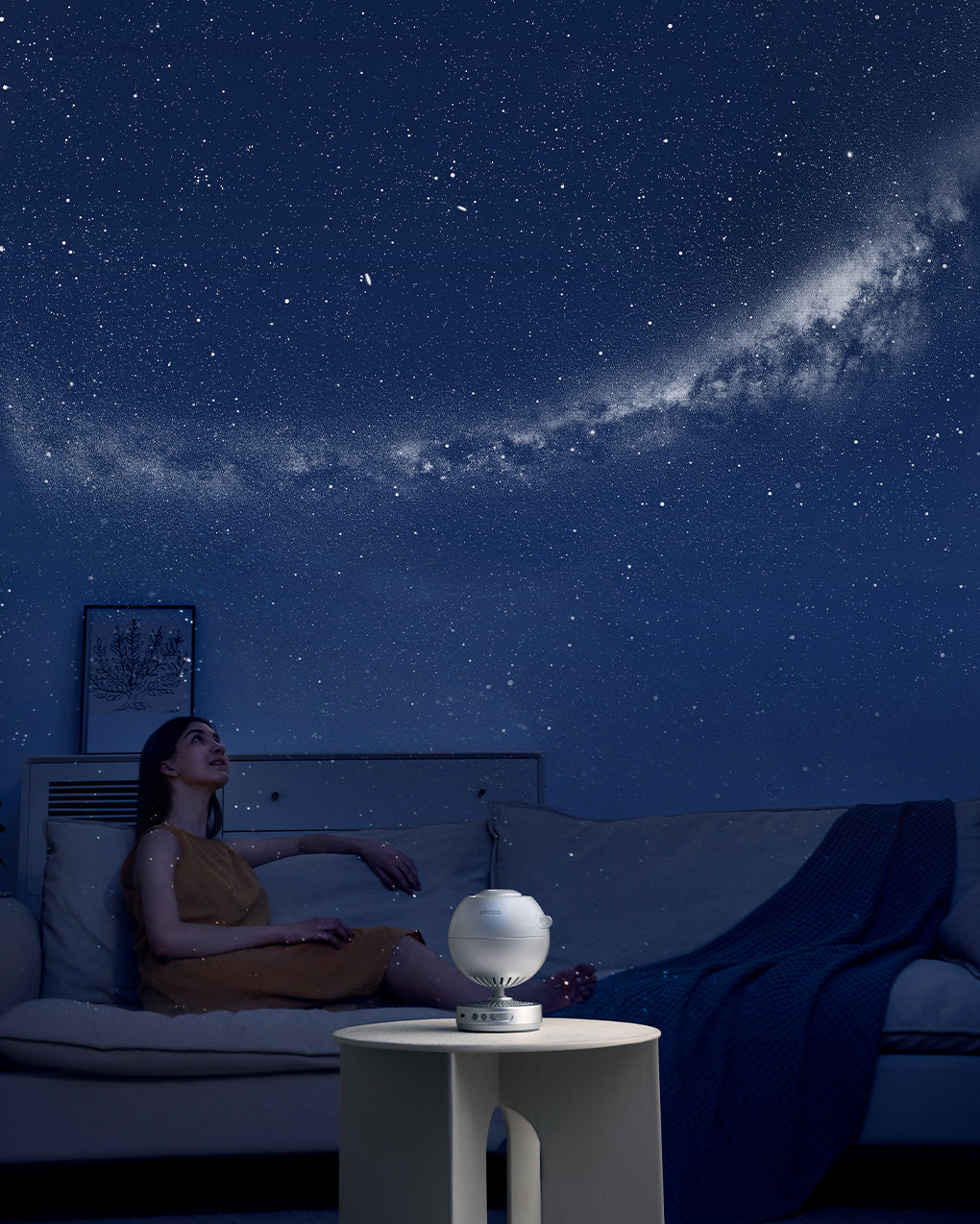
Soft immersive lighting reduces visual load and helps your brain disengage from stimulation.
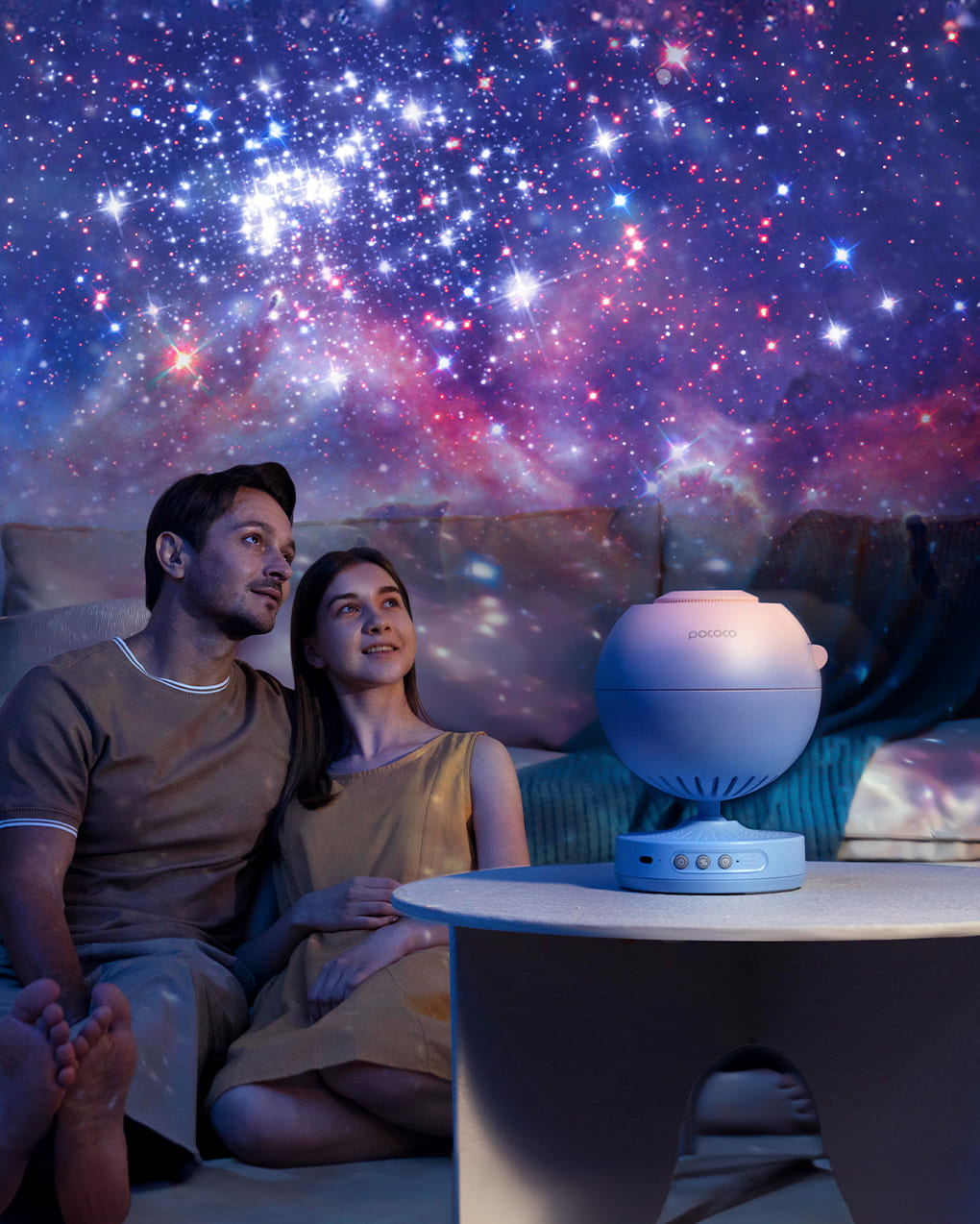
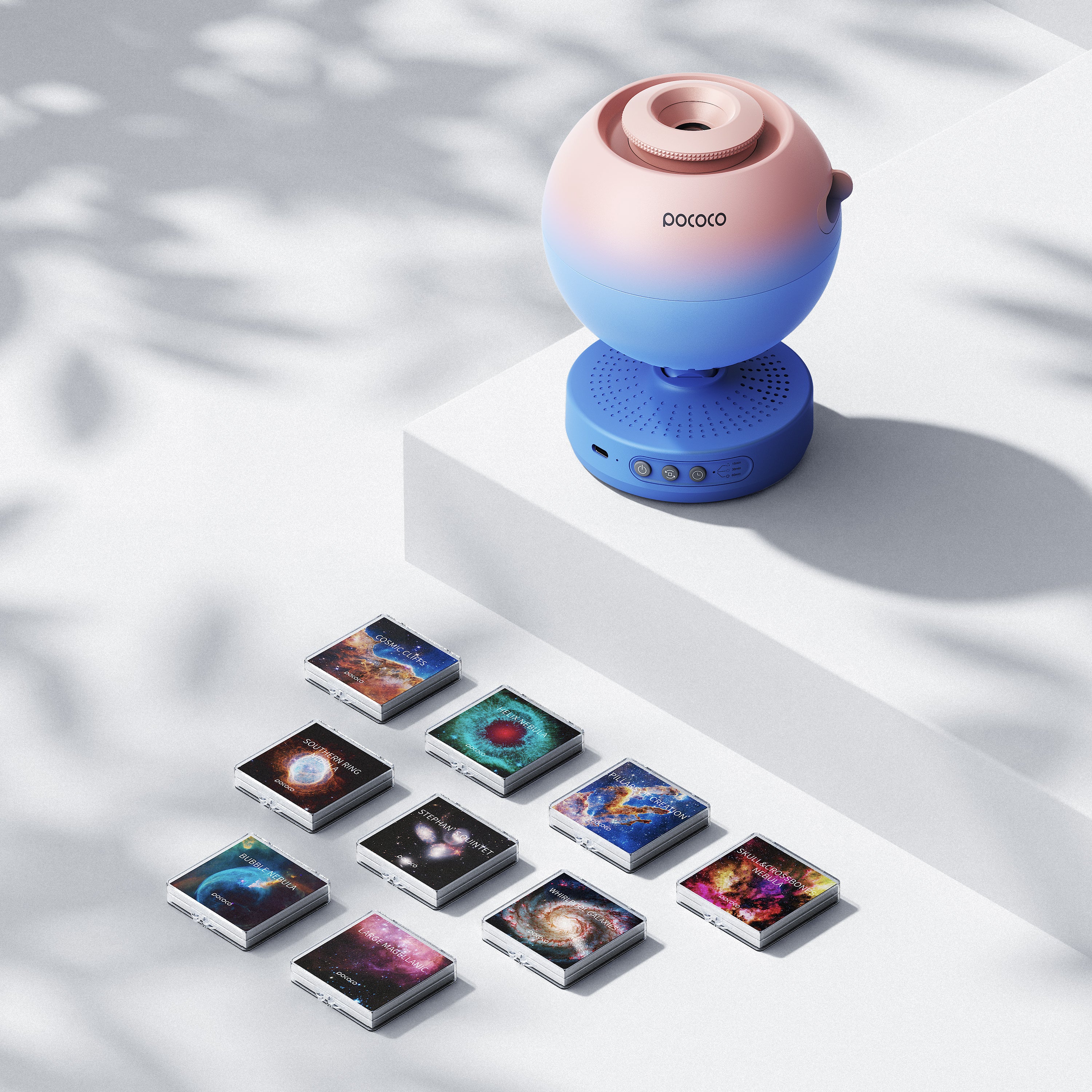
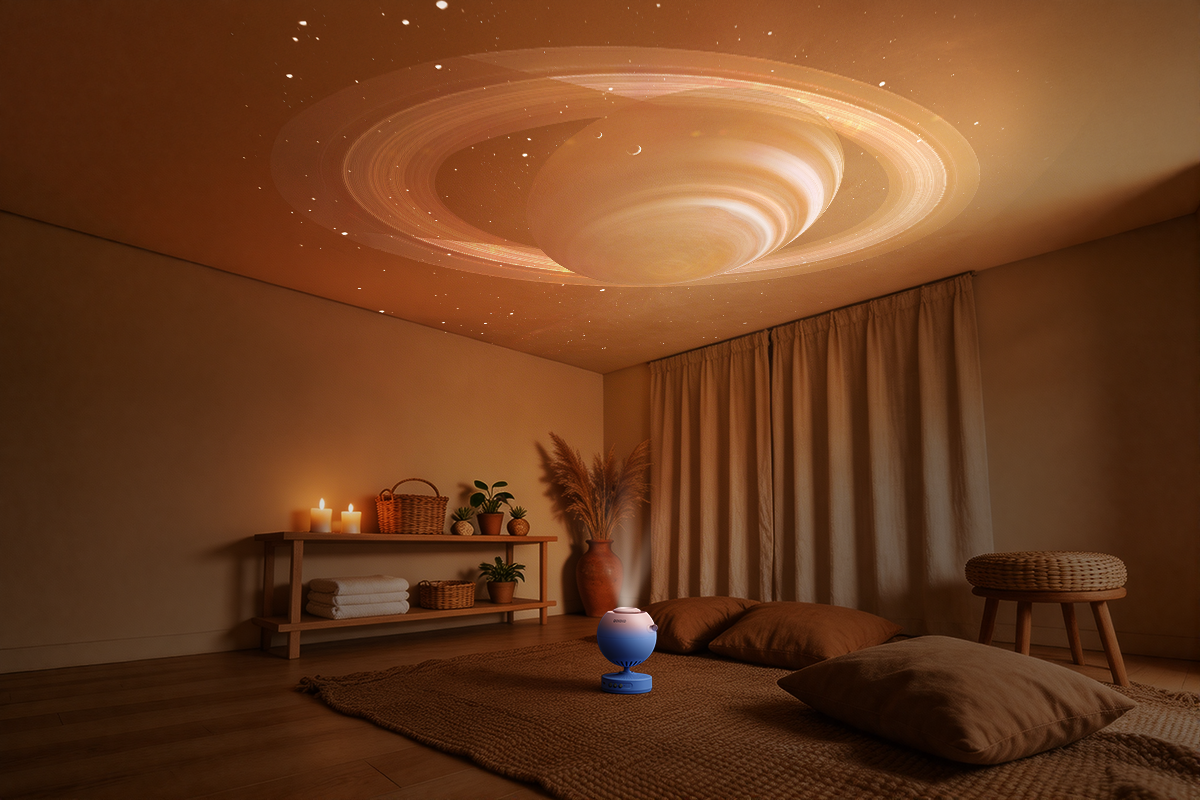
This is where immersive tools like a galaxy projector for relaxation can be helpful — not as decoration, but as environmental support.
👉 Learn more about the POCOCO Galaxy Projector .
You Don't Need a Perfect Room to Rest Better
You do not need to completely redesign your bedroom to sleep better.
A calming room is created through gradual reduction of stimulation — not perfection.
Lower visual noise. Adjust lighting. Reduce digital presence. These small changes accumulate.
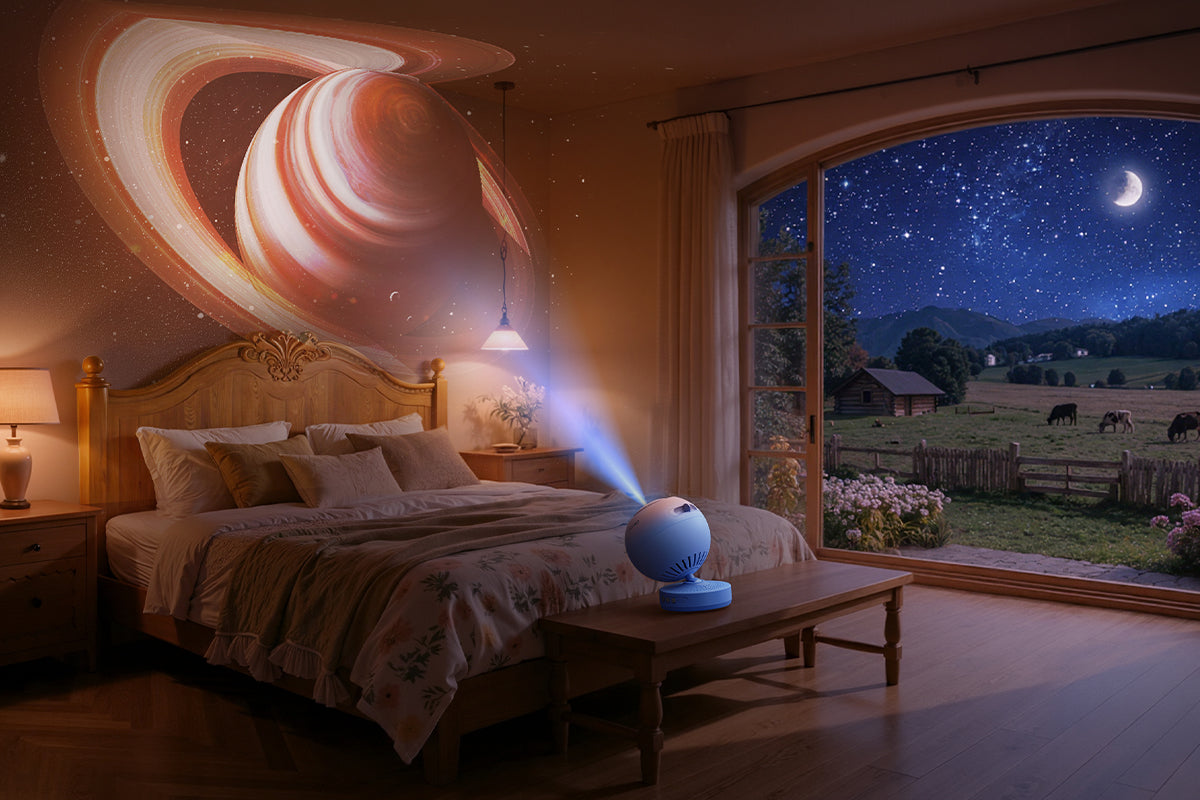
Tools like POCOCO can help by introducing a softer ambient light environment that replaces harsh overhead lighting without requiring a full room change.
Over time, your room begins to communicate a clearer message: it is time to rest.
Frequently Asked Questions
What is a calming room?
A calming room is a sleep environment designed to reduce sensory overload and support mental transition into rest.
Why can't I sleep in my room?
This is often caused by environmental stimulation such as lighting, screens, or clutter rather than sleep itself.
How can I improve my sleep environment quickly?
Start with lighting and reduce visual noise. These two changes alone often create noticeable improvement within days. Ambient lighting tools like POCOCO can further enhance this shift.
What is the easiest way to create a calming room?
Focus on reducing stimulation before changing decor or layout. Here are 16 easy calming room ideas on improving your space, explore our calming room ideas guide .
Final Thought
Your bedroom is one of the few environments where your brain is asked to transition fully from activity into rest. This transition depends on signals — light, sound, visual input, and memory.
A calming room is not a one-time project. It is an ongoing adjustment of those signals. Tools like POCOCO can help maintain that consistency by creating a stable, low-stimulation lighting environment that supports rest over time.
You do not need a perfect room to sleep better. You need a room that is quietly on your side.


Leave a comment
All comments are moderated before being published.
This site is protected by hCaptcha and the hCaptcha Privacy Policy and Terms of Service apply.