


Key Takeaways
- Summer disrupts sleep through three overlapping factors: longer daylight, higher temperatures, and a shifted routine — often without you noticing until the tiredness builds up.
- Your sleep environment matters more in summer than any other season, because the outside world stops sending the cues your body normally relies on to wind down.
- Small, consistent changes to your bedroom — light, temperature, and a calming visual signal — can help your brain find its way back to rest.
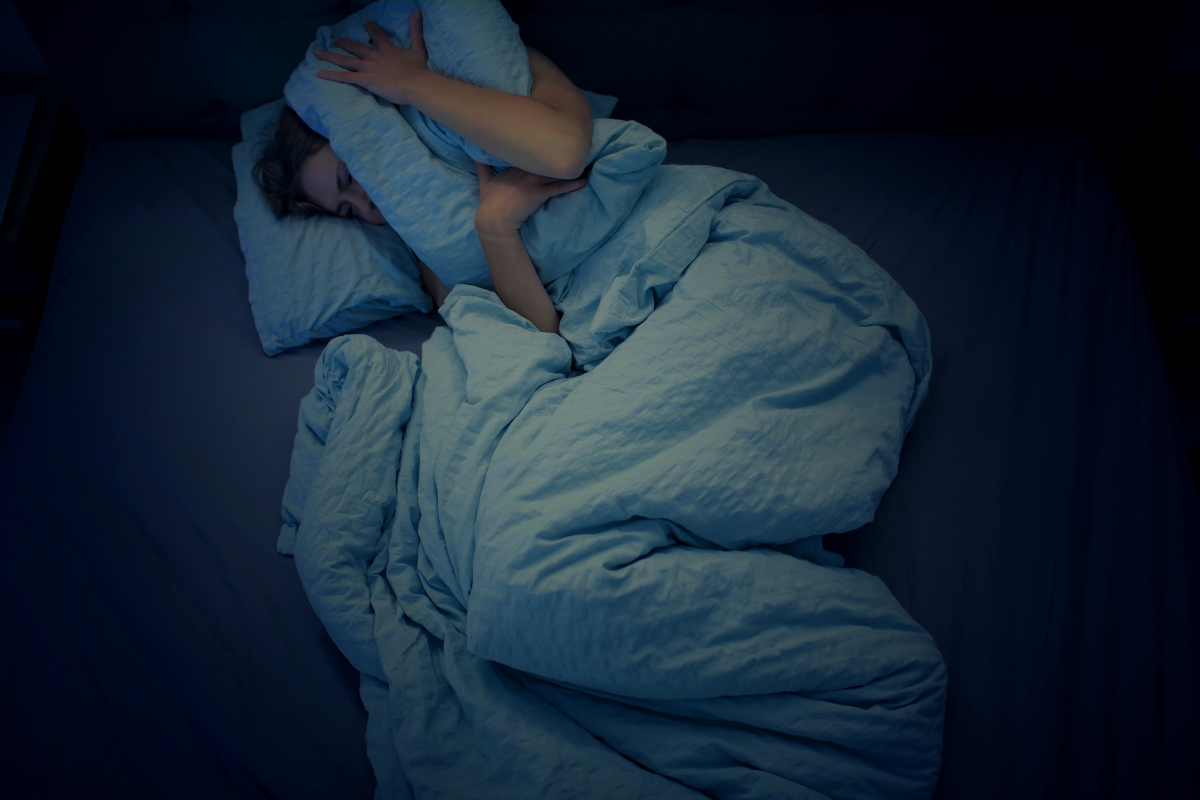
Summer nights are supposed to feel easy. Warmer air, longer evenings, a slower pace. And yet for a lot of people, this is the season when sleep quietly falls apart — taking longer to arrive, feeling lighter than usual, or leaving you tired in a way that a full night in bed doesn't seem to fix.
It's not a coincidence, and it's not a personal failing. Summer changes the signals your body uses to find sleep — and once you understand which signals are being disrupted, the fixes become a lot more obvious.
Why Summer Can Make It Harder to Sleep
Longer Daylight Hours Delay Your Internal Clock
Your circadian rhythm doesn't run on a clock — it runs on light. As long as your brain is receiving light signals, it holds off on releasing melatonin, the hormone that tells your body it's time to wind down. In winter, darkness arrives early and your body follows. In summer, the sky stays bright until 8, 9, sometimes 10pm — and your brain keeps waiting for a signal that doesn't come.
The result is a sleep schedule that quietly drifts later without you consciously deciding to stay up. You're not less tired. Your body clock has simply been pushed back by the season.
Higher Temperatures Affect Sleep Quality
Falling into deep sleep requires your core body temperature to drop slightly — typically by one to two degrees. In a hot room, that process is harder. Your body keeps trying to offload heat, which means lighter sleep, more frequent waking, and the particular frustration of feeling exhausted but unable to stay under.
This is why summer sleep problems often feel different from regular insomnia. It's not that you can't fall asleep — it's that the sleep you do get feels thinner, less restorative, easier to interrupt.
Summer Activities Can Shift Your Routine
Later dinners, social evenings that stretch past their natural end, vacations that dissolve the structure of ordinary weeks — summer is full of things that are genuinely enjoyable and quietly disruptive to sleep. Irregular schedules make it harder for your body to anticipate when sleep is coming. And when the body can't anticipate, it can't prepare.
How to Create a Better Summer Sleep Environment
Cool the Room, Block the Light
These two things address the most direct physical barriers to summer sleep, and they work best together. For temperature: keep your bedroom as cool as possible before bed — a fan, breathable bedding, and blocking heat during the day all help. Your body needs to drop its core temperature to reach deeper sleep, and a warm room quietly works against that all night.
For light: blackout curtains make a bigger difference in summer than almost any other sleep tool. If your room stays bright until 9pm, your brain stays in daytime mode until 9pm. Block the light early, and switch to warm, dim lighting inside the room well before bed — that shift alone starts resetting the signal your body is waiting for.
Use Calming Lighting to Signal Rest Time
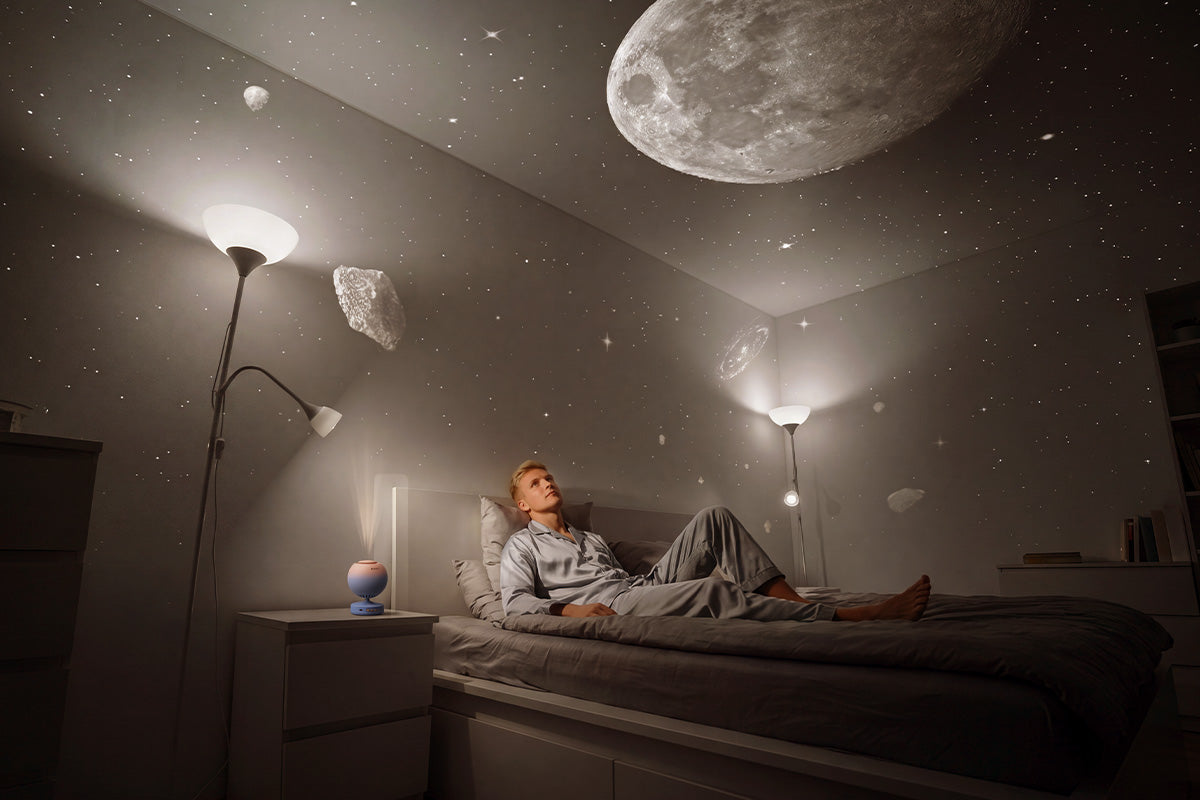
Removing stimulation is only half the equation. Your brain also needs something to transition into — a gentle cue that tells your nervous system the pace is changing. Darkness alone can feel abrupt after a long summer day. What works better is a soft visual environment: warm, slow, and predictable enough that your brain can stop scanning and start settling.
A POCOCO galaxy projector creates exactly this kind of environment. The slowly drifting star fields are warm and dim — they don't suppress melatonin or demand attention. They just make the room feel like night, even when the world outside hasn't quite gotten there yet. Used consistently, it becomes a cue your brain learns to trust: when this comes on, it's time to slow down.
Wind Down the Mind, Not Just the Body
Summer evenings often carry a particular kind of mental residue — social energy that hasn't settled, a day that felt longer than usual, the slightly restless feeling that comes with less natural structure. Getting into bed doesn't automatically clear any of that.
Give your brain a window before sleep where the inputs slow down — screens away, lighting softer, pace quieter. It doesn't need to be a strict routine. It just needs to be consistent enough that your body starts to recognize the sequence and begins preparing for sleep before you've even closed your eyes.
Build Your Ideal Summer Night Environment
Summer sleep doesn't have to be a season you just get through. Most of what makes it harder — the light, the heat, the shifted routine — can be worked with, once you know what your body is actually responding to.
Cool the room. Block the light early. Give your brain a consistent visual cue that the day is winding down. Let the environment do more of the work, so sleep doesn't feel like something you have to force.
The bedroom you fall asleep in matters — and in summer, it matters more than usual. A few small adjustments, made consistently, can be enough to change what the season feels like at night.

Explore POCOCO Galaxy Projectors →
FAQ
Why do I sleep worse in summer?
Summer disrupts the two main environmental cues your body uses to prepare for sleep: darkness and cooler temperatures. Longer daylight delays melatonin release, and higher temperatures interfere with the core body cooling that deeper sleep requires. Combined with a more irregular schedule, these factors can significantly affect both how easily you fall asleep and how restorative that sleep feels.
How can I sleep better when my room is hot?
Focus on lowering your bedroom temperature before you go to bed rather than during the night. Keep windows closed during the day to block heat, use a fan to circulate cooler air in the evening, and choose breathable, lightweight bedding. A cooler room — ideally around 65–68°F or 18–20°C — gives your body the environment it needs to drop into deeper, more restorative sleep.
Does daylight affect sleep in summer?
Yes, significantly. Your circadian rhythm is regulated primarily by light exposure. When evenings stay bright until late, your brain delays melatonin production, pushing your natural sleep window later than usual. Blocking light in your bedroom with blackout curtains and switching to warm, dim lighting inside the room well before bed helps manually recreate the darkness signal your body is waiting for.
What lighting is best before bed in summer?
Warm, low, and dim. Cool white or bright overhead lighting mimics daylight and suppresses melatonin — the opposite of what you need before sleep. In the hour or two before bed, switching to warmer, lower-level light helps your brain begin the transition toward rest. Soft ambient light, or slow-moving light from a galaxy projector, can also serve as a consistent environmental cue that reinforces the shift from day to night.

Laisser un commentaire
Tous les commentaires sont modérés avant d'être publiés.
Ce site est protégé par hCaptcha, et la Politique de confidentialité et les Conditions de service de hCaptcha s’appliquent.