

Key Takeaways
- An ADHD calm corner is not a cure or treatment. It is a small, predictable space designed to feel easier to return to when the rest of the room feels overstimulating.
- Reducing visual clutter, using low-stimulation lighting, and keeping a few calming activities nearby can make a bedroom feel more sensory-friendly.
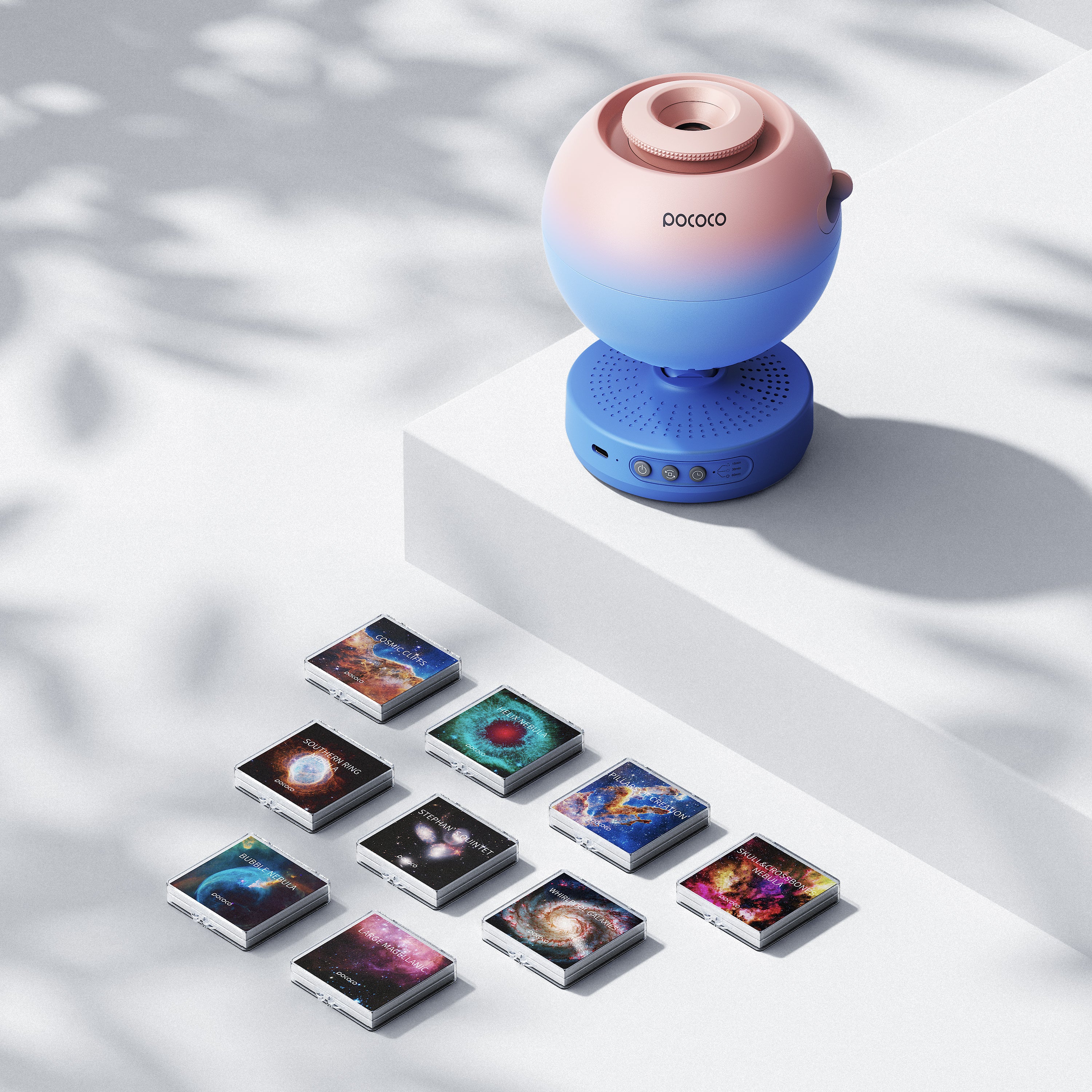
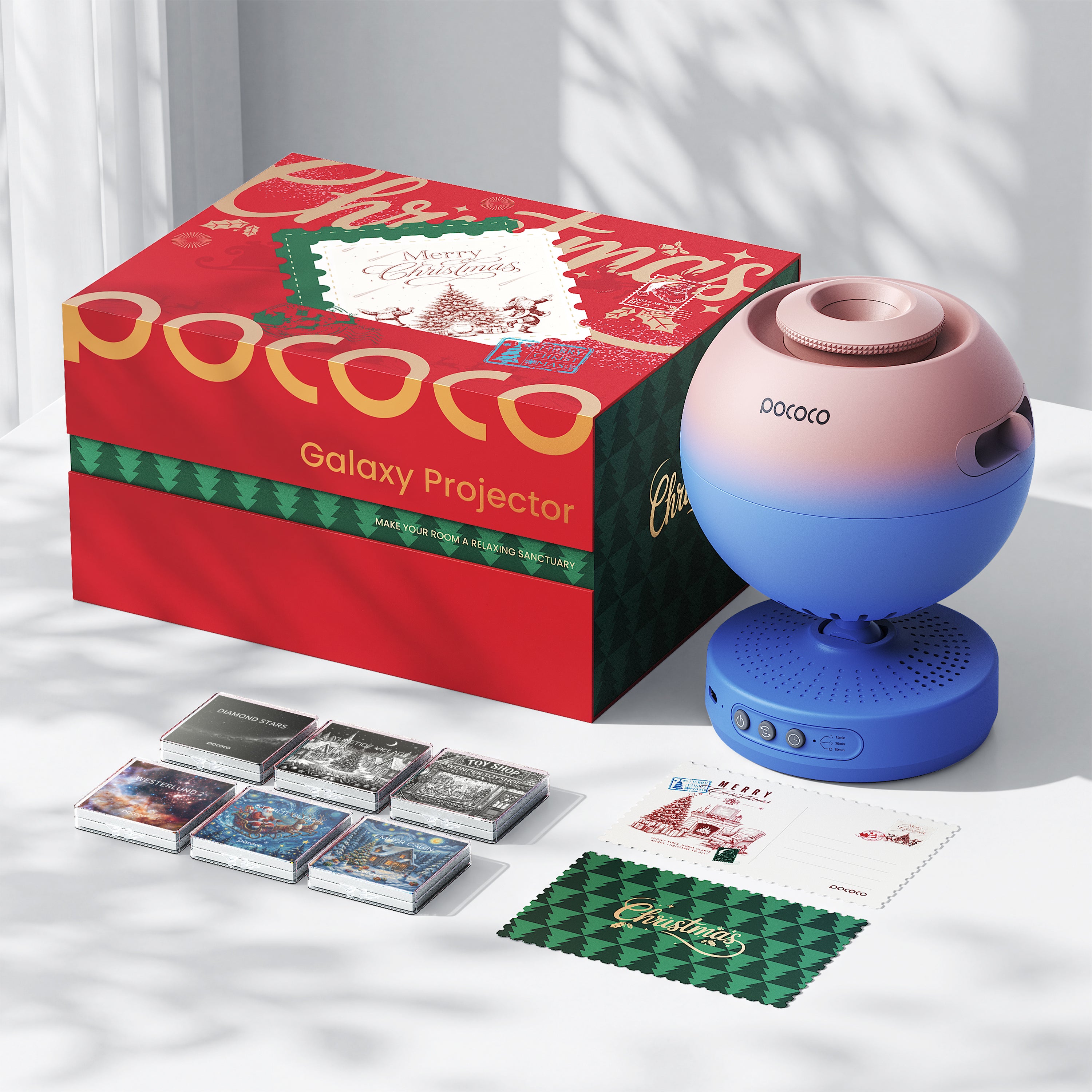
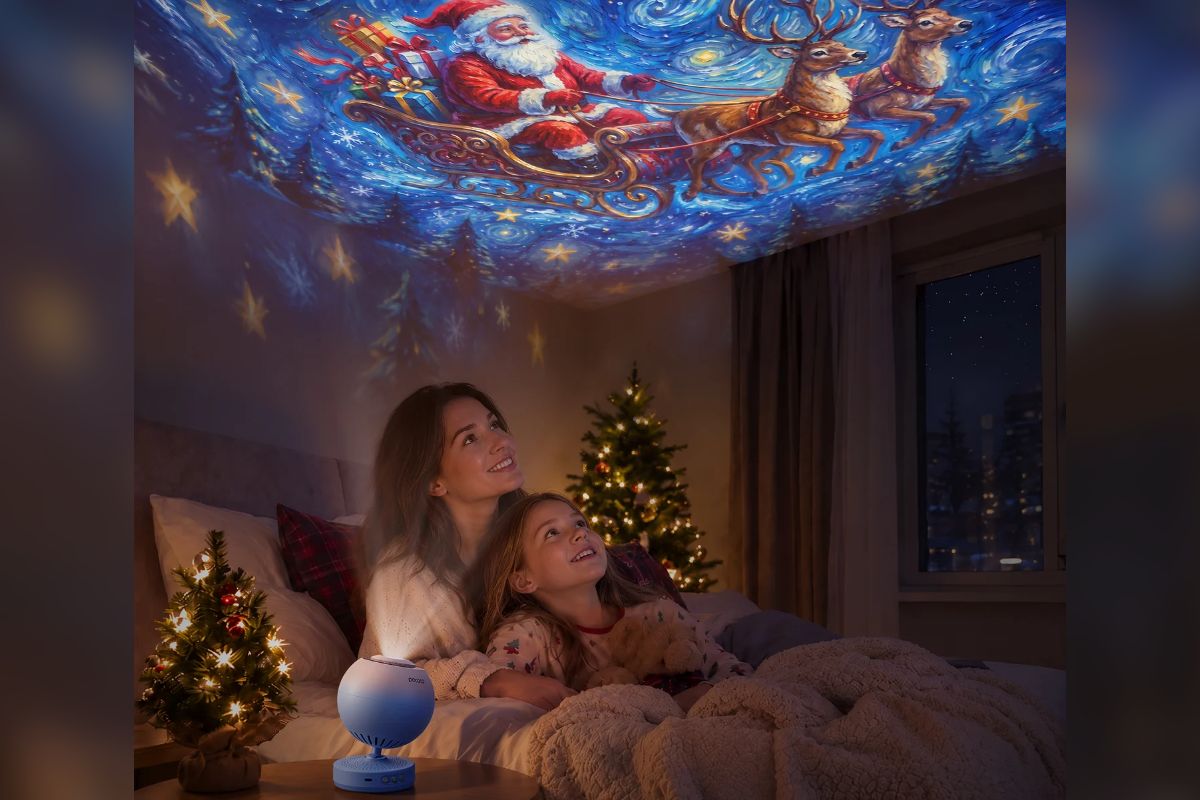
- A soft visual cue, like the POCOCO Galaxy Projector, may help some people create a more predictable transition from active time to quiet time.
There are days when a room does not feel like a room. It feels like a list.
The clothes on the chair. The open laptop. The half-finished book. The bright ceiling light. The holiday decorations. The reminder that something still needs to be wrapped, answered, cleaned, charged, or put away.
For people with ADHD, that kind of visual noise can feel especially hard to ignore. And during the fall and winter holiday season, the home can become even busier: more guests, more plans, more lights, more sounds, more transitions.
That is where an ADHD-friendly room can help. Not by being perfect. Not by removing every source of stimulation. But by creating one small area that feels simpler, softer, and easier to return to.
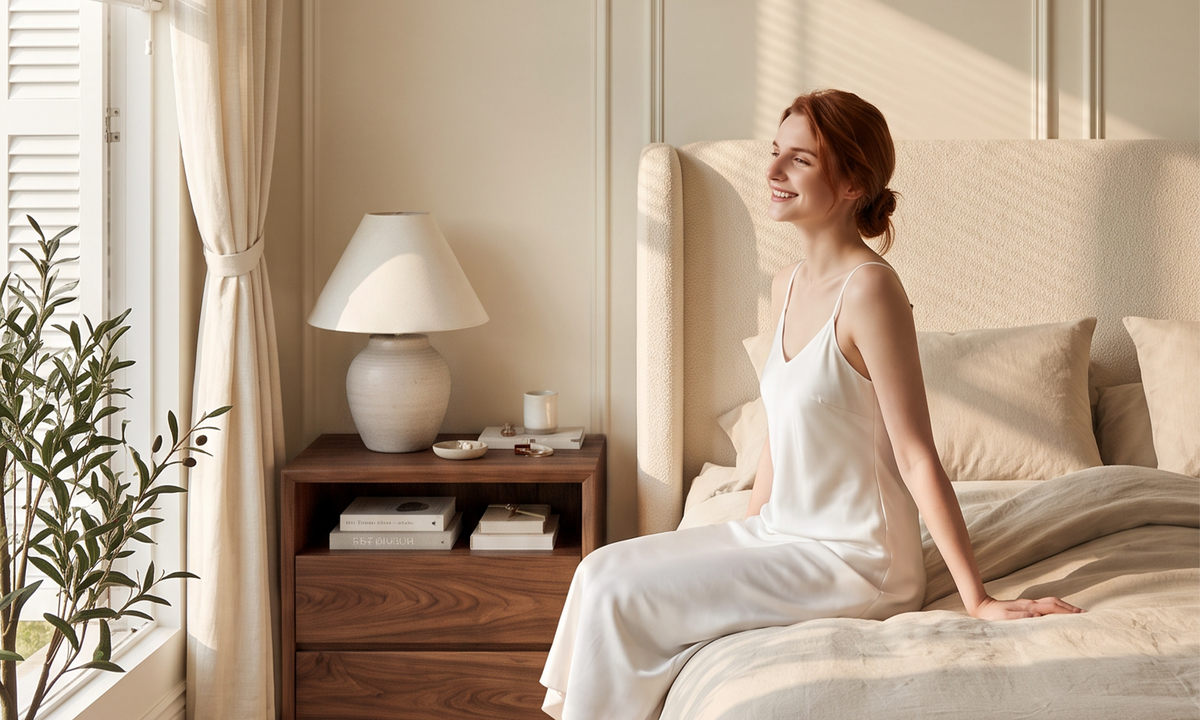
A calm corner is one version of that idea. It is a small, intentional space for reading, journaling, sitting quietly, or easing out of a busy part of the day. It does not need to look like a therapy room. It can be a chair, a floor cushion, one side of the bed, or a corner with soft lighting and fewer visual distractions.
The goal is not to “fix” ADHD overstimulation. The goal is to make the next step feel easier.
Table of Contents
- What Is an ADHD Calm Corner?
- Start by Reducing Visual Clutter
- Use Low-Stimulation Lighting
- Build Predictable Evening Cues
- Add Reading, Journaling, or Quiet Activities
- After Holiday Gatherings: Help the Room Get Quiet Again
- How to Use POCOCO as a Visual Transition Cue
- FAQ
What Is an ADHD Calm Corner?
An ADHD calm corner is a small area designed to support quiet time when the rest of the room feels too busy. It is not about making the room empty or overly minimal. It is about creating one place with fewer competing signals.
That might mean a chair with a blanket, a basket with two or three books, a journal, headphones, and one soft light source. It might mean a floor cushion beside a window. It might mean clearing one bedside area so it no longer holds work papers, tangled cords, and unfinished tasks.
A sensory-friendly room does not have to be silent, plain, or colorless. It simply needs to be easier to understand. When the calm corner has a clear purpose, it becomes easier to know what to do there: sit, read, write, breathe, listen, or simply pause.
If your bedroom already feels overwhelming, our guide to ADHD-friendly bedroom ideas goes deeper into setting up a space that feels less visually demanding.
Start by Reducing Visual Clutter
Visual clutter does not have to be messy to feel loud. Open shelves, busy surfaces, too many colors, visible cables, unfinished projects, and piles of “I’ll deal with this later” items can all compete for attention.
Start small. Choose the area around the calm corner, not the whole room.
- Move work items away from the calm corner.
- Put loose objects into one basket or drawer.
- Keep only the items you actually use for quiet time.
- Use closed storage when open shelving feels too busy.
- Leave one surface clear, even if the rest of the room is not perfect.
This kind of ADHD bedroom organization is less about having a spotless room and more about lowering the number of things asking for attention at once.
A good calm corner should not feel like another task. It should feel easy to enter, easy to use, and easy to reset.
Use Low-Stimulation Lighting
Lighting can change the emotional temperature of a room quickly. Bright overhead lighting can make a bedroom feel active and alert. Softer, lower lighting can help mark a shift toward quieter time.
For an ADHD calm corner, avoid relying only on one harsh ceiling light. Instead, think in layers:
- Task light: useful for reading or writing
- Ambient light: softer light that changes the mood of the space
- Visual cue: a repeated light setting that signals quiet time
Sensory lighting is personal. Some people like slow movement. Others prefer still light. Some enjoy colorful visuals, while others need something simpler. The best calming sensory lights are adjustable, not overwhelming.
If a light feels too bright, too busy, or too distracting, lower the brightness, turn off movement, or switch it off entirely. The goal is comfort, not drama.
Build Predictable Evening Cues
For many people with ADHD, winding down is not as simple as deciding to relax. The mind may still be moving through conversations, reminders, ideas, unfinished tasks, or holiday plans.
A predictable evening cue can help create a clearer shift from active time to quiet time. It does not need to be elaborate. In fact, it usually works better when it is simple.
- Put away one active item, like a laptop, phone, or work notebook.
- Clear one small surface near the calm corner.
- Switch from overhead light to soft lighting.
- Choose one quiet activity.
- Use the same light or visual cue for a set amount of time.
This is not a treatment for ADHD. It is an environmental signal. A soft visual cue may help some people create a more predictable transition from active time to quiet time.
For more on why evenings can feel especially difficult, read ADHD and Sleep: Why Your Brain Won’t Switch Off at Night.
Add Reading, Journaling, or Quiet Activities
A calm corner becomes easier to use when it has a purpose. If the space is only “for calming down,” it can feel too vague. Choose one or two activities that make sense for you or your child.
Reading
Keep one book nearby and use a focused reading light. If ambient lighting is on, keep it soft enough that it does not compete with the page.
Journaling
A notebook can help give loose thoughts somewhere to land. This does not need to be a long routine. A few lines can be enough.
Quiet Reset Activities
Try stretching, listening to calm music, sorting a small basket, coloring, or simply sitting with a blanket. The activity should be easy to start and easy to stop.
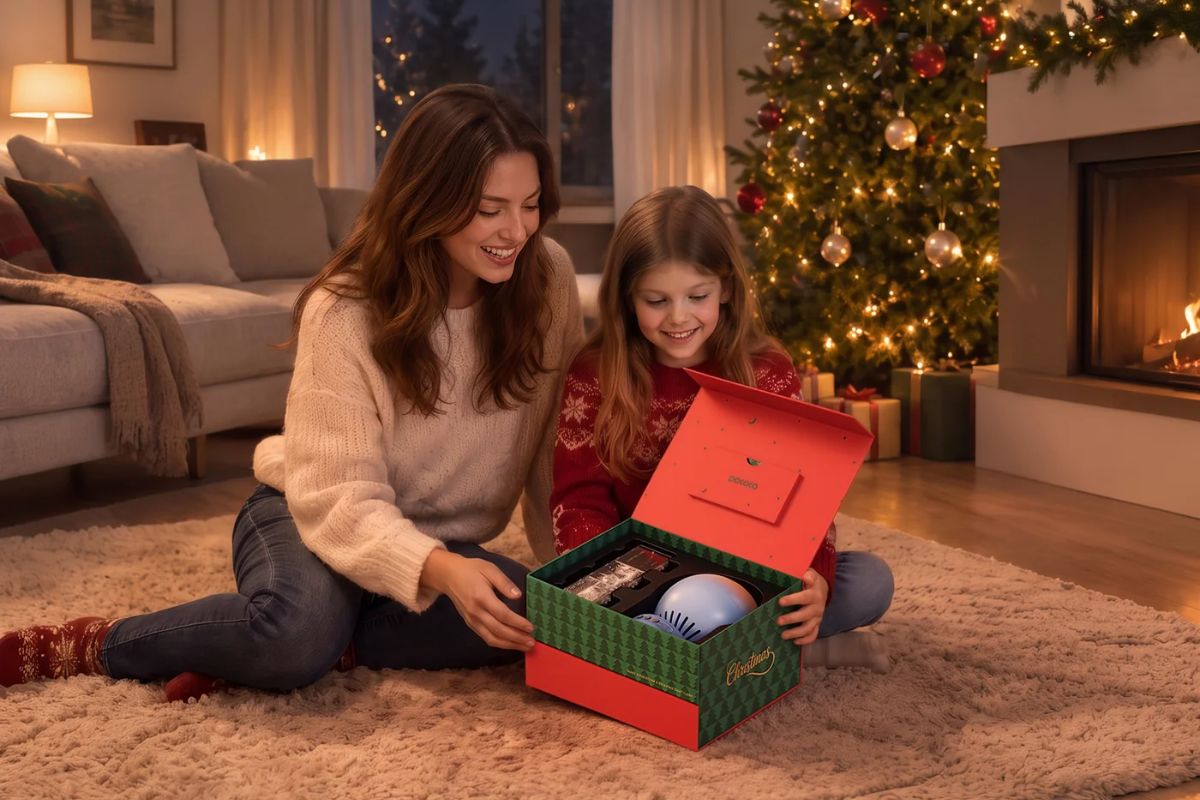
During the holiday season, this kind of calm corner can be especially useful after travel, guests, shopping, school events, or family gatherings.
After Holiday Gatherings: Help the Room Get Quiet Again
Holiday gatherings can be joyful and overstimulating at the same time. More people, more sound, more decorations, more food, more conversation, more transitions.
After everyone leaves, the room may still feel like it is holding the energy of the event.
A calm corner can help the space feel like yours again. Put away the most visually loud items first: wrapping paper, cups, bags, decorations that have been moved around, or anything sitting on the bed. Then switch to softer lighting and choose one low-effort activity.
You do not have to reset the whole house. Sometimes, one quiet corner is enough to make the evening feel more manageable.
How to Use POCOCO as a Visual Transition Cue
The POCOCO Galaxy Projector can fit naturally into a calm corner when it is used as a visual transition cue, not as a solution or treatment.
Use it simply:
- Choose a softer projection disc.
- Lower the brightness.
- Use slow rotation or no rotation.
- Set a timer so the cue has a clear ending.
- Pair it with one quiet activity, like reading or journaling.
The projection gives the room a visible change. That change can help mark the difference between the busy part of the day and the quieter part of the evening.
For setup details, including disc choice, placement, focus, brightness, and timer settings, read how to use a POCOCO Galaxy Projector.
If the projection ever feels distracting, simplify it. Lower the brightness. Stop the rotation. Choose a calmer scene. Or leave it off. The best sensory-friendly room is the one that responds to the person using it.
Final Thoughts
An ADHD-friendly room does not need to be perfect. A calm corner does not need to be beautiful enough for a photo. It just needs to make the next quiet step easier.
Start with one small area. Reduce visual clutter. Choose low-stimulation lighting. Keep one or two calming activities nearby. Add a predictable evening cue that tells the room, and your brain, that the pace is changing.
For some people, a soft visual cue like the POCOCO Galaxy Projector may help create that transition from active time to quiet time. Not because it treats ADHD or overstimulation, but because a repeated environmental signal can make a routine feel more recognizable.
A calm corner is not about escaping life. It is about creating one place where the room finally asks less of you.
FAQ
What is an ADHD calm corner?
An ADHD calm corner is a small, low-stimulation area designed for quiet activities such as reading, journaling, stretching, listening to music, or taking a break from visual clutter.
How do I make a room more ADHD-friendly?
Start by reducing visual clutter, creating clear activity zones, using softer lighting, and keeping everyday items easy to find and put away.
What lighting works best for an ADHD-friendly room?
Adjustable lighting usually works best. Some people prefer warm lamps, while others like soft projections or still ambient light. Avoid lighting that feels too bright, fast-moving, or visually busy.
Can a galaxy projector help with ADHD overstimulation?
A galaxy projector should not be described as treating ADHD or overstimulation. It can be used as a soft visual cue that may help some people create a more predictable transition from active time to quiet time.
How can I reset a room after holiday overstimulation?
Start small. Clear one surface, put away the most visually distracting items, switch to softer lighting, and choose one quiet activity in a calm corner.

Laisser un commentaire
Tous les commentaires sont modérés avant d'être publiés.
Ce site est protégé par hCaptcha, et la Politique de confidentialité et les Conditions de service de hCaptcha s’appliquent.