



Key Takeaways
- Bedroom zoning is less about adding more furniture and more about creating clear boundaries between sleep, reading, work, and relaxation.
- Furniture placement, rugs, storage, and bedroom lighting ideas can divide one room into several useful areas without building walls.
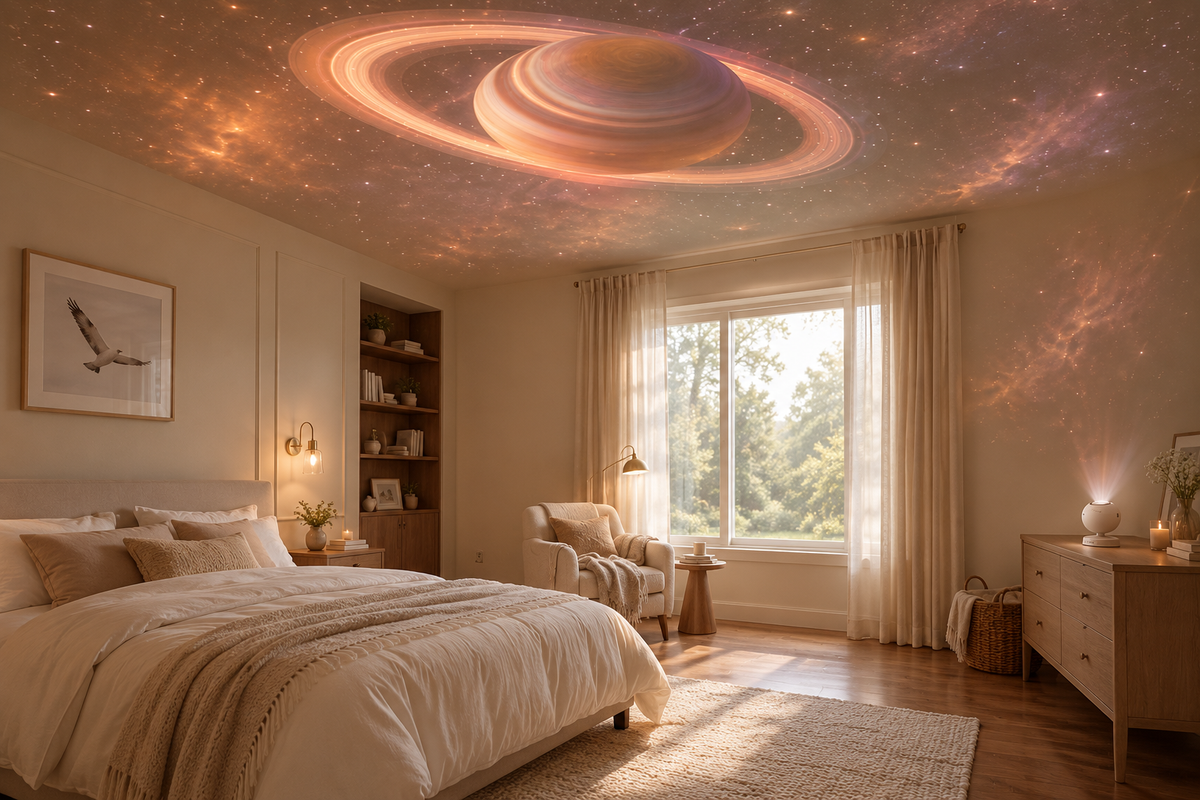
- A POCOCO Galaxy Projector can add a soft visual layer to a relaxation zone and help mark the transition from active time to quieter time.
Many bedrooms are asked to do too much. They are used for sleeping, reading, working, getting dressed, scrolling, relaxing, and sometimes even exercising. When every activity happens in the same place, especially on the bed, the room can start to feel less restful and less organized.
This is where bedroom zoning ideas can make a difference. Instead of treating the bedroom as one large space, you can divide it into smaller areas with different purposes. A sleep zone can feel quiet and visually simple. A reading zone can have its own chair and focused light. A relaxation zone can offer softer lighting and space to slow down.
You do not need permanent walls, expensive furniture, or a complete renovation. With the right layout, lighting, and visual boundaries, even a small bedroom can support more than one activity without feeling crowded.
The core idea is simple: a bedroom does not need more furniture to feel more functional. It needs clearer boundaries between the activities that happen there.
If you are also exploring calming room ideas, bedroom zoning can be a practical way to create a more intentional environment without changing the entire room.
Table of Contents
- What Is Bedroom Zoning?
- Start With the Main Bedroom Zones
- How to Separate Bedroom Zones Without Building Walls
- Bedroom Lighting Ideas for Different Zones
- Three Bedroom Zoning Layouts to Try
- How to Create a Transition Between Bedroom Zones
- How to Avoid Making a Zoned Bedroom Feel Crowded
- A Simple Bedroom Zoning Checklist
- FAQ
What Is Bedroom Zoning?
Bedroom zoning means dividing one bedroom into separate areas for different activities. Instead of using the entire room for everything, each section has a primary purpose.
You might have a sleep zone, a reading zone, a relaxation zone, and, if necessary, a small work or dressing zone. These bedroom zones do not need to be separated by actual walls. They can be defined through furniture placement, rugs, lighting, storage, color, and visual cues.
This approach is especially useful in small apartments, shared rooms, studio bedrooms, and multifunctional bedrooms. It allows one room to support several parts of daily life while keeping the layout easier to understand.
Bedroom zoning is less about making a room look different and more about helping each part of the room support a specific activity. When the zones are clear, it can feel easier to move from working to reading, from reading to relaxing, and from relaxing to sleep.

Start With the Main Bedroom Zones
Before moving furniture, decide what your bedroom needs to support most often. Most rooms only need three main zones. Adding too many separate areas can make a small room feel fragmented.
The Sleep Zone
The sleep zone includes the bed, bedside table, and low-level lighting. Keep work items away from the bed and leave a clear walking path so the area feels calm and uncluttered.
Best for: Sleeping, resting, and winding down.
The Reading Zone
A reading zone can be a comfortable chair, floor cushion, or bench beside a window. Add a small table, reading light, and basket or shelf for books. Keeping it separate from the bed gives reading its own dedicated space.
For more ideas, read our guide to creating a dedicated reading corner.
Best for: Reading, journaling, and quiet personal time.
The Relaxation Zone
The relaxation zone is where softer activity happens. It might be a comfortable chair, an open floor area, or a corner with a cushion and blanket.
This space can hold a journal, headphones, a book, a small speaker, or another item that helps you slow down. The goal is not to fill the corner with decorations, but to create an area that feels visually and physically different from the work zone.
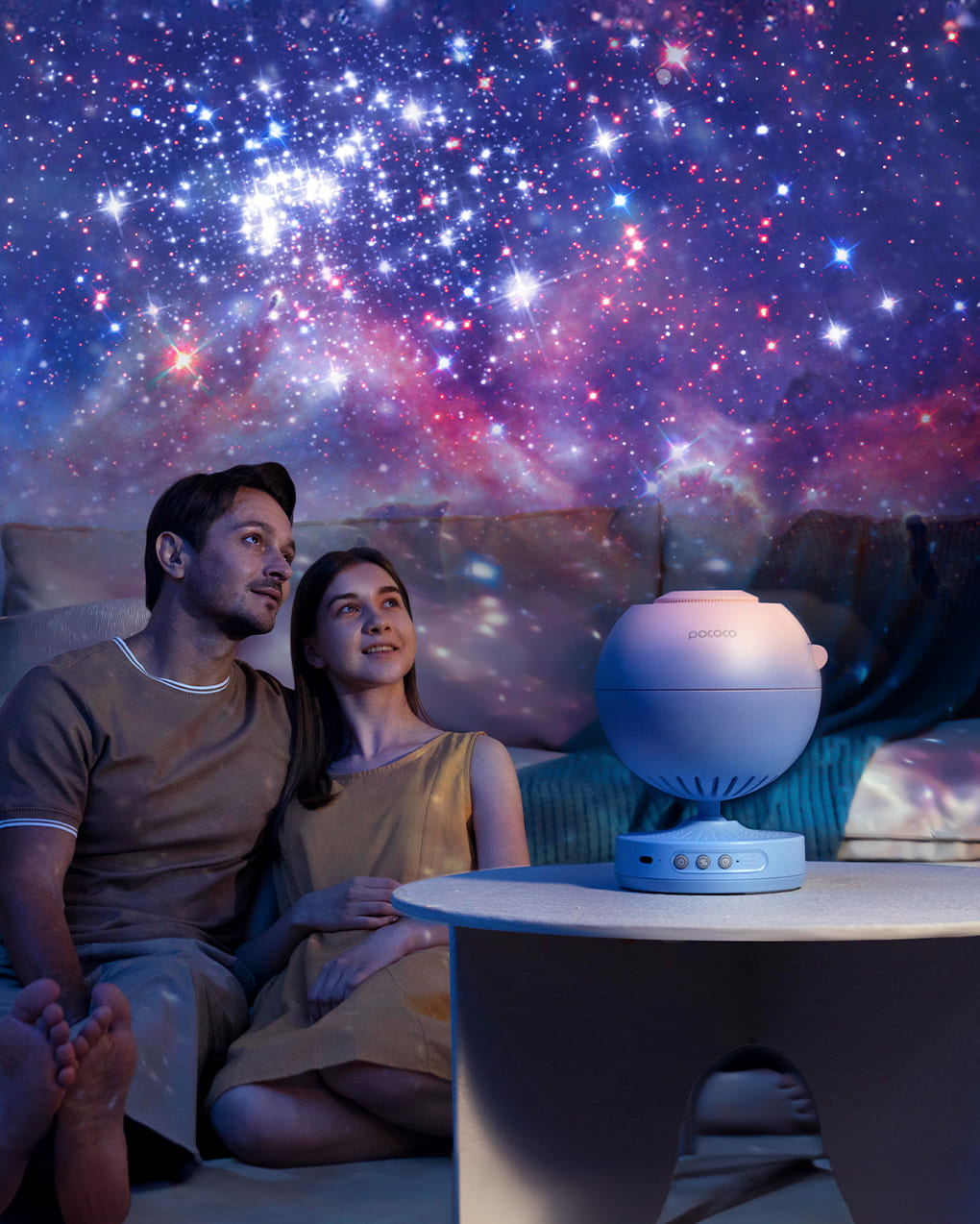
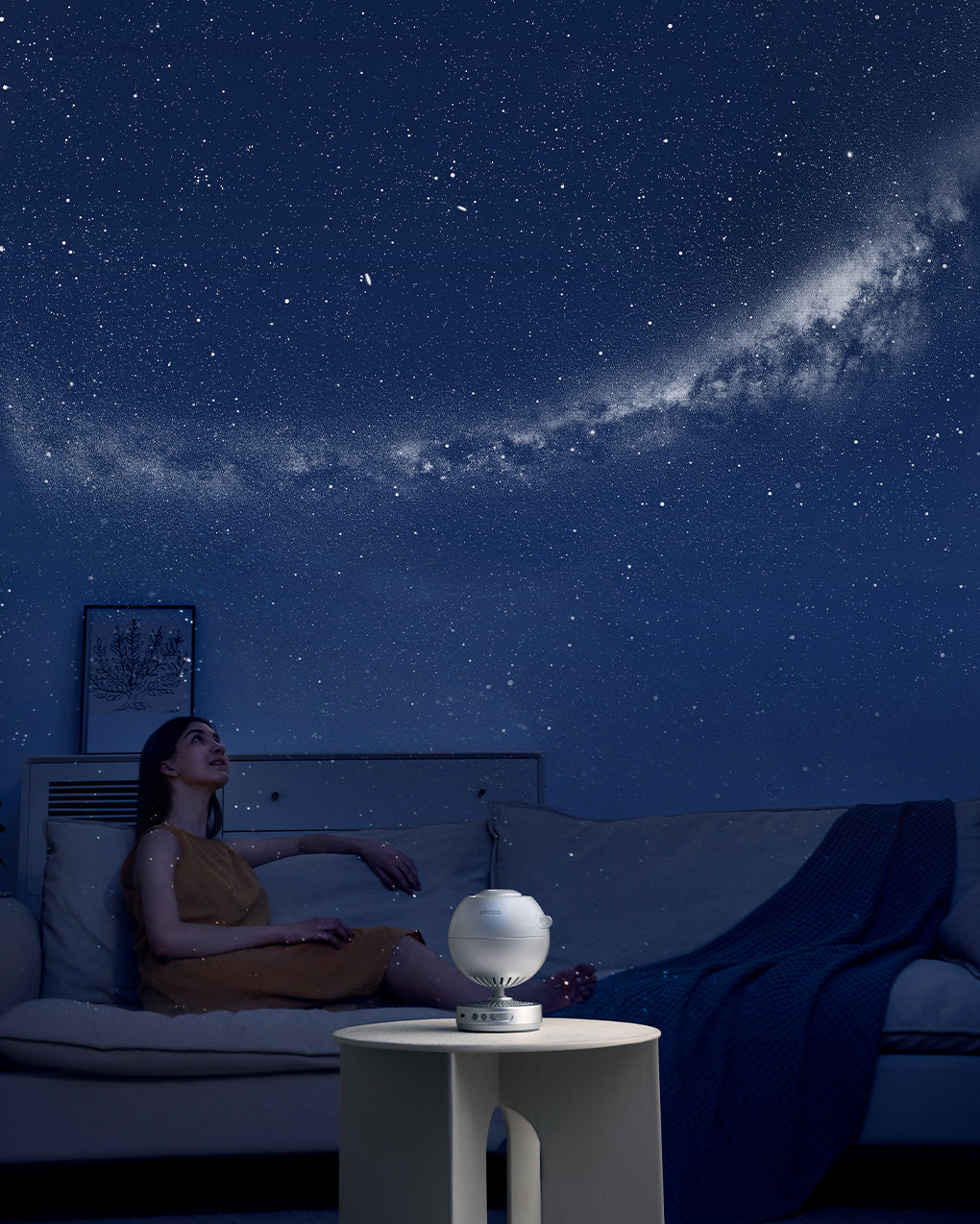
Soft ambient lighting is especially useful here. A POCOCO Galaxy Projector can add a gentle visual layer to the relaxation zone and help distinguish quiet time from work or everyday bedroom activity.
Best for: Relaxing, stretching, journaling, quiet music, and screen-free downtime.
The Optional Work or Dressing Zone
Some bedrooms also need to accommodate a desk, vanity, or dressing area. If that is the case, try to create as much distance as possible between the work zone and the sleep zone.
Position the desk away from the bed when possible. Use a shelf, rug, different light source, or a change in direction to create visual separation. At the end of the workday, store paperwork and close the laptop so the work zone does not visually spread into the rest of the room.
Best for: Working, studying, getting dressed, or organizing personal items.
How to Separate Bedroom Zones Without Building Walls
One of the most useful things about bedroom zoning is that it does not require construction. A few simple layout choices can create a sense of separation without making the room feel closed in.
Use Furniture Placement
Furniture can create clear boundaries between bedroom zones. Turn a chair toward a window to define a reading area, keep the bed away from the desk, or use an open bookshelf as a soft divider.
Avoid blocking windows or the main walking path. The best layout creates separation while keeping the room easy to move through.
Use Rugs and Floor Position
Rugs can visually define a reading or relaxation area without adding furniture. One well-placed rug is often enough, especially in a small bedroom.
Use Lighting to Mark Each Zone
Lighting is one of the easiest ways to distinguish bedroom activity zones. Use focused light for reading, brighter task lighting for work, and soft ambient lighting for relaxation.
| Bedroom Zone | Recommended Lighting | Purpose |
|---|---|---|
| Sleep zone | Soft, low-intensity bedside light | Keep the area quiet and visually simple |
| Reading zone | Focused reading light | Provide enough light for the page |
| Relaxation zone | Warm ambient lighting | Create a softer visual atmosphere |
| Work zone | Brighter task lighting | Support focused work or study |
Bedroom Lighting Ideas for Different Zones
Lighting can make each bedroom zone feel distinct without adding walls or extra furniture. Use focused light for reading, brighter task lighting for work, and softer ambient lighting for relaxation.
- Sleep zone: Use low-level, indirect bedside lighting.
- Reading zone: Add a focused reading light that does not shine directly into your eyes.
- Relaxation zone: Choose warm ambient lighting or a slow, soft projection.
A POCOCO Galaxy Projector can add a softer visual layer to a relaxation zone, helping distinguish quiet time from work or everyday bedroom activity.
For projector placement, brightness, and timer suggestions, read how to use a POCOCO Galaxy Projector.
Three Bedroom Zoning Layouts to Try
The best bedroom layout depends on the room size, natural light, furniture, and activities that need to happen there. Here are three practical layouts to consider.
| Layout | Best For | How to Divide the Room |
|---|---|---|
| Bedroom with a reading corner | Medium or large bedrooms | Bed as the sleep zone, window corner as the reading zone, and bedside area as a relaxation transition. |
| Bedroom and home office | Remote workers and small apartments | Place the desk away from the bed, use separate lighting, and create a boundary with a shelf or rug. |
| Small bedroom with one relaxation corner | Small bedrooms and rental spaces | Keep one sleep zone and one flexible relaxation zone with a chair, side table, and soft light. |
Layout 1: Bedroom With a Reading Corner
If your bedroom has a window or unused corner, place a chair and small table there to create a reading zone. Keep the bed as the visual center of the sleep zone and use the window area for reading during the day.
A small lamp can define the reading area in the evening. If the room is large enough, a rug beneath the chair can make the boundary even clearer.
Layout 2: Bedroom and Home Office in One Room
When a bedroom also functions as a workspace, keep the desk as far from the bed as the room allows. Avoid positioning the desk directly toward the bed if that makes work materials the first thing you see at night.
Use brighter task lighting at the desk and softer lighting near the bed. At the end of the workday, close the laptop, store loose papers, and turn off the desk light. These small actions can help create bedroom workspace separation.
Layout 3: Small Bedroom With One Main Relaxation Corner
Small bedrooms do not need several separate zones. Trying to create too many areas can make the room feel crowded.
Instead, keep one clear sleep zone and one flexible relaxation zone. A chair, side table, and ambient light may be enough. This approach works well for small bedroom zoning ideas because it creates a useful corner without adding too much furniture.

How to Create a Transition Between Bedroom Zones
Good zoning is not only about where furniture goes. It is also about how the room helps you move from one state to another.
Try creating a simple sequence for different parts of the day:
- When work ends, turn off the desk light and put away work materials.
- When reading begins, turn on the focused reading light.
- When relaxation begins, switch to softer ambient lighting.
- Before bed, turn off the active areas and keep only the lowest light near the bed.
These visual changes make the bedroom feel more responsive to what you are doing. The room does not have to look completely different each time. A change in lighting can be enough to create a sense of transition.
Turning on the POCOCO Galaxy Projector can mark the transition from an active part of the evening to a quieter relaxation period.
This is not about promising better sleep or treating stress. It is simply a visual cue that can help make the room feel different when the activity changes.
How to Avoid Making a Zoned Bedroom Feel Crowded
Bedroom zoning should make the room easier to use, not make it feel like several small rooms forced together. Keep the layout simple and give each area enough space to function comfortably.
- Do not create more than three or four zones in one bedroom.
- Keep only the furniture each zone genuinely needs.
- Leave a clear walking path between the bed, door, and main activity areas.
- Avoid using tall furniture that blocks natural light.
- Use some consistent colors or materials to keep the room visually connected.
- Let the sleep zone remain the main visual anchor of the room.
- Store work items and loose objects when the activity is finished.
- Choose flexible furniture that can serve more than one purpose.
For small bedroom layout ideas, focus on function before decoration. A room with fewer, better-placed objects often feels more comfortable than a room filled with furniture intended to create separation.
A Simple Bedroom Zoning Checklist

Before You Rearrange the Room
- ☐ What is the main purpose of the room?
- ☐ Which area will be the sleep zone?
- ☐ Where will reading or relaxation happen?
- ☐ Does the desk visually compete with the bed?
- ☐ Does each zone have its own suitable lighting?
- ☐ Can you move between zones easily?
- ☐ Are work items visible from the bed?
- ☐ Is the relaxation area easy to reset after use?
Final Thoughts
Bedroom zoning does not require a full renovation. It starts with deciding what the room needs to support and creating a clear place for each activity.
Furniture placement can define the boundaries. Rugs can group smaller areas. Storage can keep work and daily clutter contained. Most importantly, lighting can help the room change with the activity.
A POCOCO Galaxy Projector can become a natural ambient lighting element in a relaxation zone, adding a softer visual layer for reading, journaling, stretching, or quiet time.
For more ideas on using a projector in different bedroom settings, explore the POCOCO Galaxy Projector for bedroom relaxation.
A well-zoned bedroom is not about creating strict rules. It is about making the space easier to understand and easier to return to. When sleep, reading, work, and relaxation each have their own visual and physical place, one bedroom can support several different parts of daily life.
FAQ
What is bedroom zoning?
Bedroom zoning means dividing one bedroom into separate areas for activities such as sleeping, reading, working, dressing, or relaxing. The zones can be created with furniture placement, rugs, lighting, storage, and visual boundaries instead of permanent walls.
How do you zone a bedroom?
Start by identifying the main activities that happen in the room. Then use furniture placement, lighting, rugs, open shelving, and storage to give each activity a clear area. Keep the number of zones limited so the room does not feel crowded.
How do you separate a sleep zone from a work zone?
Place the desk away from the bed when possible, use different lighting for work and sleep, and store work items out of sight when the workday ends. A shelf, rug, or change in furniture direction can also create visual separation.
How do you create a relaxation zone in a bedroom?
Choose a comfortable seat or open corner, add a small table, reduce visual clutter, and use soft ambient lighting to distinguish the area from the work or sleep zone. A journal, book, blanket, or quiet activity can make the space easier to use.
Can a galaxy projector be used in a bedroom relaxation zone?
Yes. A galaxy projector can provide ambient lighting and a visual backdrop for reading, journaling, stretching, or quiet time. Choose a comfortable brightness, use slow or no rotation, and avoid directing the light into your eyes.


Laat een reactie achter
Alle reacties worden gemodereerd voordat ze worden gepubliceerd.
Deze site wordt beschermd door hCaptcha en het privacybeleid en de servicevoorwaarden van hCaptcha zijn van toepassing.