





Key Takeaways
- Your nervous system is always reading your bedroom — using light, visual clutter, and sensory input to decide whether it's safe to settle into sleep.
- A room that feels mentally "loud" — harsh lighting, clutter, overstimulation — keeps your nervous system in a low-grade alert state, even when your body is exhausted.
- Soft, consistent sensory cues like warm ambient lighting and slow-moving light from a galaxy projector give your brain a clear, repeatable signal that the day is over — and that it's finally safe to let go.
May is Mental Health Awareness Month — and while most conversations focus on what's happening inside your mind, not enough attention goes to what's happening around you. Specifically, what's happening in your bedroom after dark.
You've probably had nights where you were exhausted, but sleep just wouldn't come. Your body was ready. Your schedule said it was time. But something kept you hovering at the surface, unable to fully let go. That "something" might not be stress or screen time alone. It might be the room itself.
Your Brain Is Always Reading Your Sleep Environment
Your nervous system doesn't clock out when you climb into bed. It was built to quietly check the room before it lets go — reading light, sound, visual clutter, temperature — deciding, without asking you, whether this space feels safe enough to settle into.
Most of the time, we don't notice it doing this. We just notice that sleep won't come. The body is tired, but something underneath stays gently braced. Not panicked. Just not quite released.
That's the thing about nervous system safety — it isn't something you can think your way into. You can't decide to feel calm. But you can change what your bedroom is telling your brain. When your sleep environment consistently feels soft and still and undemanding, your nervous system gradually stops looking for reasons to stay on guard. It starts to recognize this space as somewhere it's allowed to exhale. And sleep, slowly, begins to feel less like something you're chasing. If you've never thought about how your room affects your mental state at night, our guide on creating a calming room explores this idea more deeply.
The question worth asking isn't just am I tired enough? It's: is my environment giving my nervous system permission to let go?
What Makes a Room Feel Mentally "Loud"
Walk into your bedroom tonight and look at it like your nervous system would. Not through the lens of taste or tidiness — through the lens of stimulation.

Harsh lighting is one of the biggest offenders. When you flip on an overhead light at full brightness before bed, you're sending a clear signal to your brain: it's still daytime. The color temperature of bright white light mimics daylight, actively suppressing melatonin production and pushing your circadian rhythm in the wrong direction. Your body doesn't know it's 11pm — it knows what the light is telling it. This becomes even more noticeable during seasons with longer daylight hours, when the outside world stays bright well past when your body should be winding down — something we explore in more depth here.
Clutter works differently, but the impact is just as real. A cluttered room creates what researchers call cognitive load — your brain keeps registering unfinished business, things out of place, visual tasks left undone. There's no hard "off switch" for that processing. It runs quietly in the background, keeping your nervous system just activated enough to interfere with sleep onset.
Then there's overstimulation — the accumulation of it all. Multiple light sources, a TV on in the background, the blue glow of a charging phone, a bright digital clock on the nightstand. Each one is a small input. Together, they add up to an environment that feels busy, even if nothing is technically "happening." Your nervous system reads the room as active, and it responds accordingly.
The result isn't dramatic insomnia for most people. It's something quieter and more frustrating: you're tired, but you can't fully arrive at sleep. You lie there. You wait. Your jaw stays slightly tight. Your thoughts keep moving. The room, without meaning to, is working against you.
How to Create a More Calming Room for Better Sleep
The goal isn't a perfectly decorated bedroom. The goal is a calming room that feels gentler than the day you just had — somewhere your nervous system can finally settle, rather than stay braced.

Start with light. Swap harsh overhead lighting for warm, low-level ambient lighting in the hour before bed — this single shift is one of the most underrated parts of any bedtime routine. Warm color temperatures — think candlelight, not fluorescent — don't suppress melatonin the way cool white light does. Dim the room gradually as bedtime approaches, and your body will follow. The room starts to feel quieter, even before you've done anything else.
Then think about what your eyes land on. At night, even in a dimly lit room, your eyes keep searching — for movement, for brightness, for something unresolved. Your nervous system is still doing what it was designed to do: quietly checking the room before it lets go. Soft visuals give them somewhere gentle to arrive. Not something exciting to focus on. Just something steady enough that your eyes can stop scanning, your breathing can slow without trying, and the room can start to feel emotionally farther away from the day.
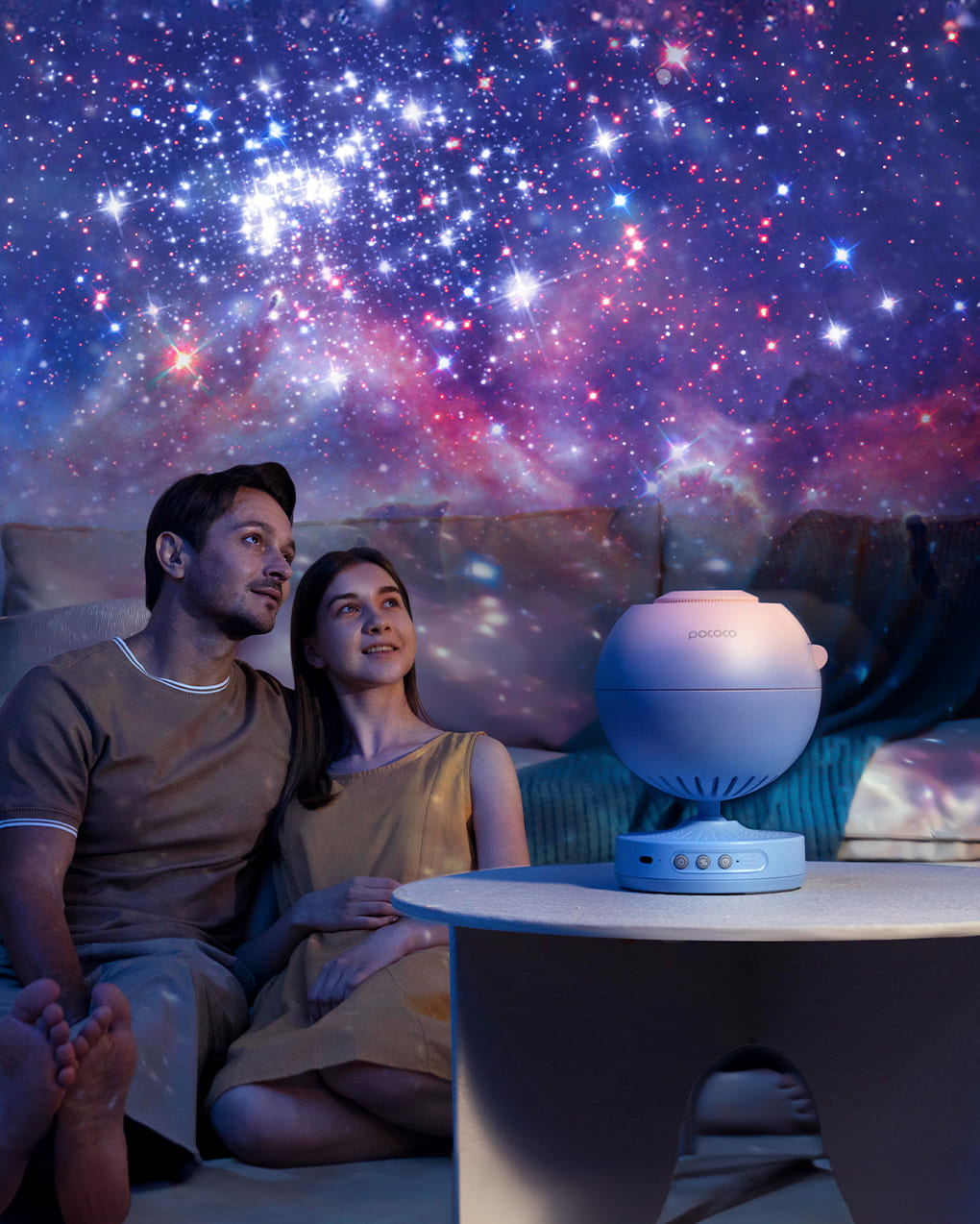
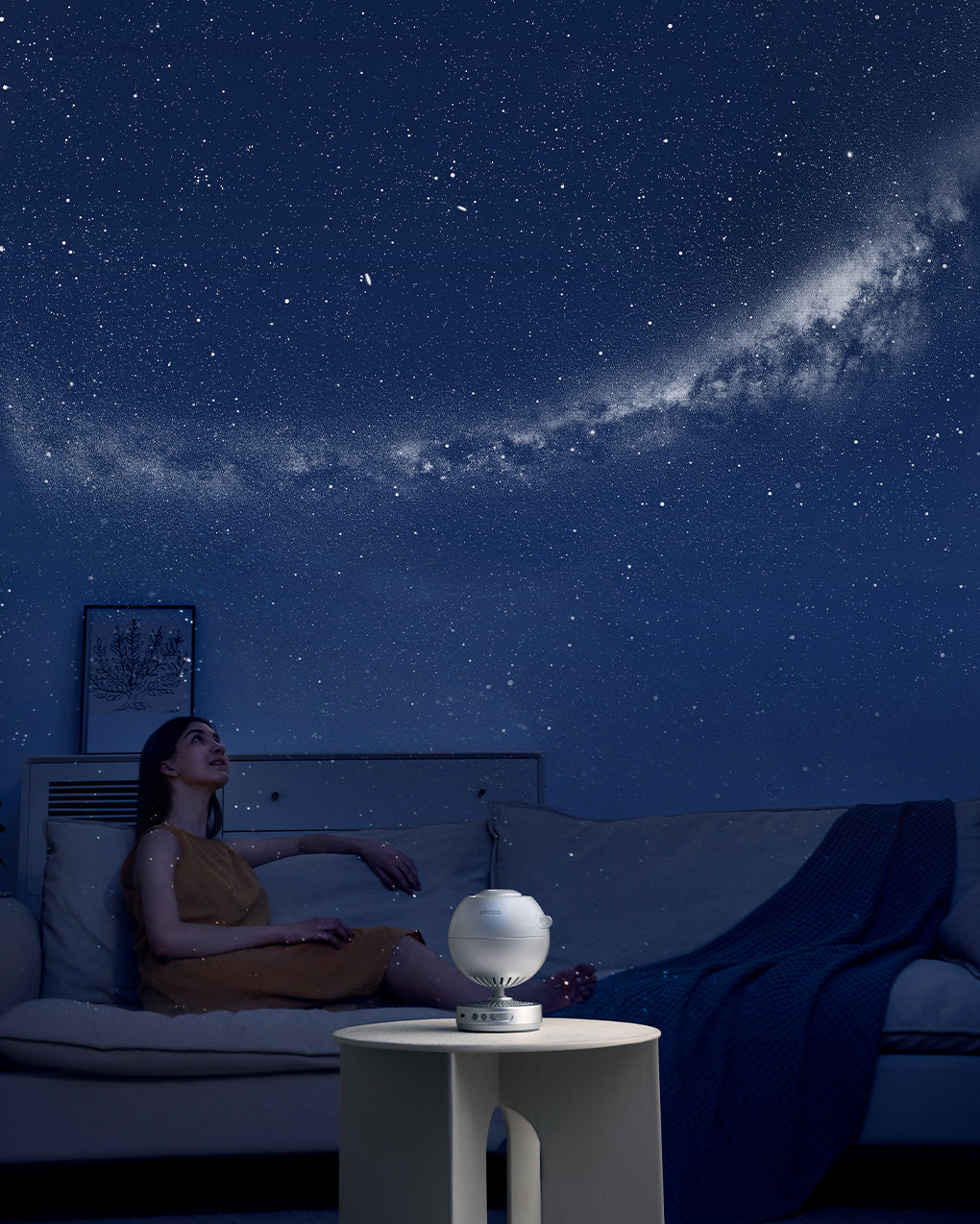
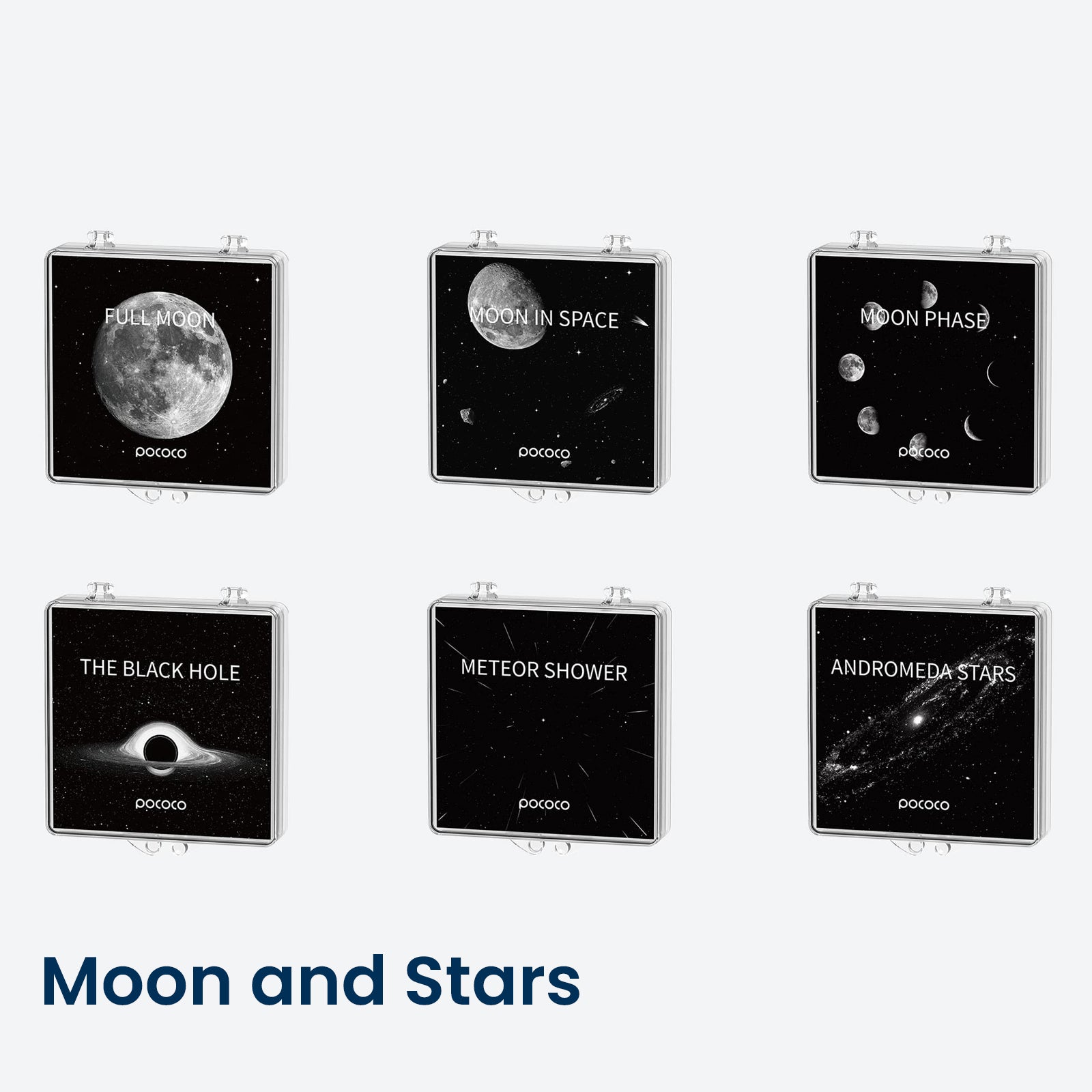
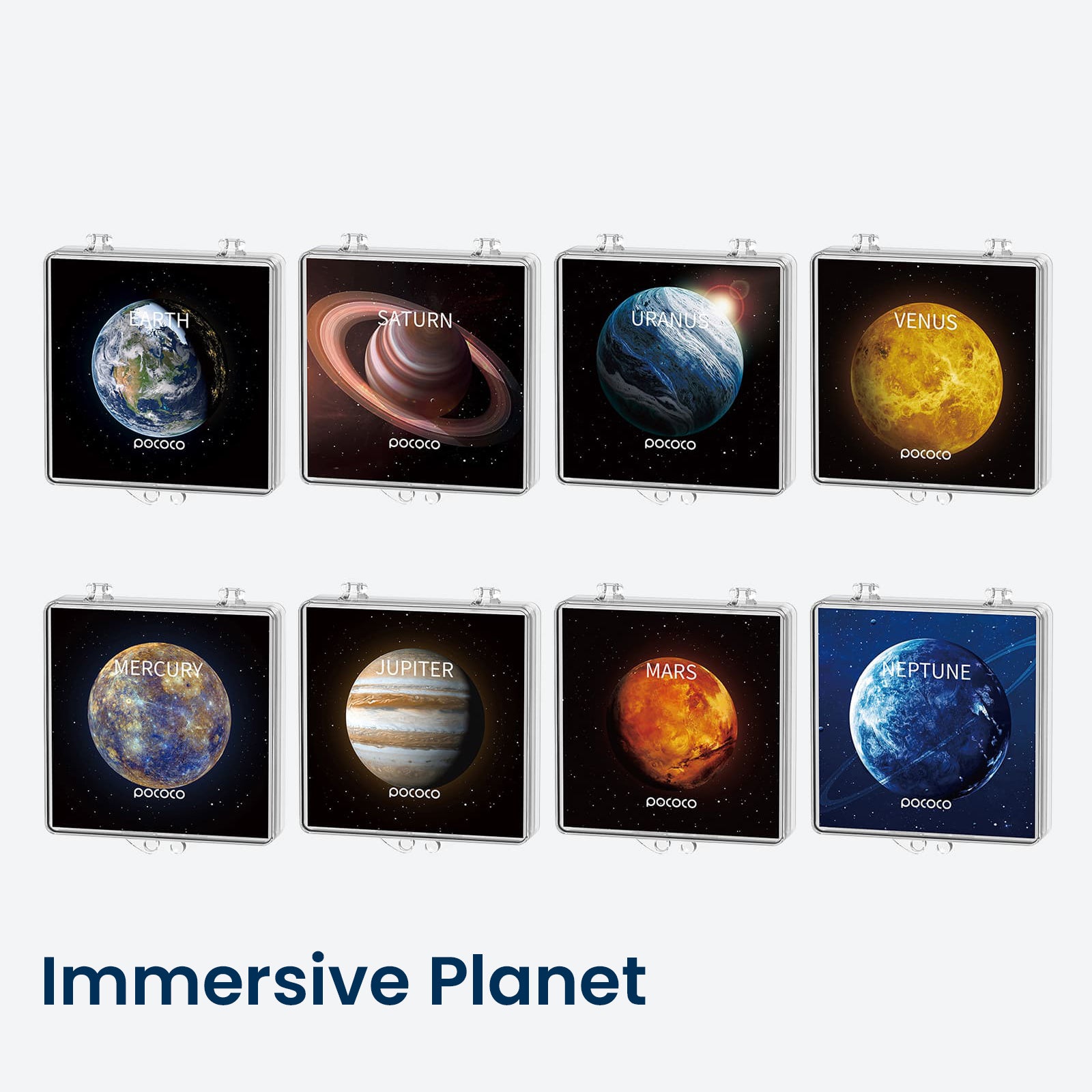
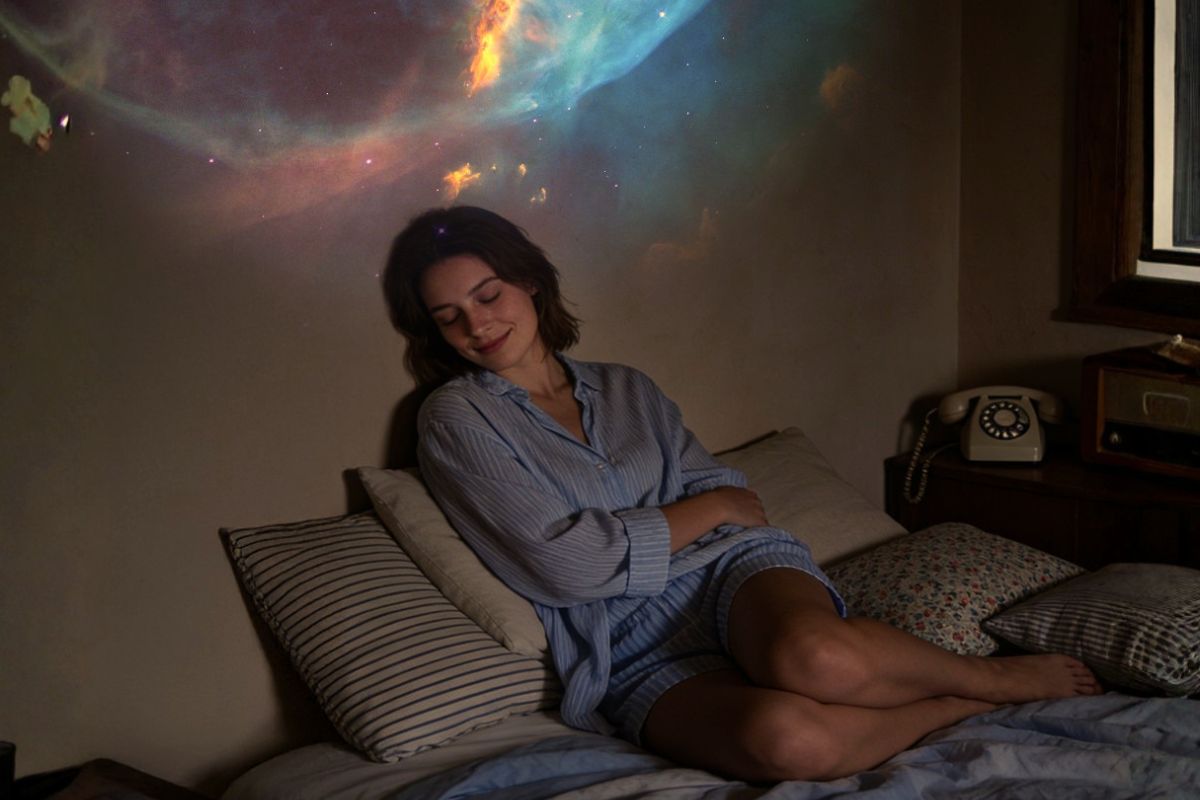
This is exactly where slow movement light becomes more than just atmospheric. A galaxy projector or star projector that casts a slow, drifting field of light across the ceiling gives your visual system something to settle into — without stimulating it. The movement is rhythmic, not jarring. The light is dim and warm. There's nothing to read, nothing to process, nothing that demands a response. For anyone who goes to bed feeling overstimulated at night, that absence of demand is the point.
Over time, these relaxing lights become a bedtime cue — something gentle and consistent that your nervous system learns to associate with safety. When the projection comes on, something in you starts to soften. The ceiling feels quieter. The room feels held. Your brain begins to understand, without being told: this is the part of the night where we don't have to hold on anymore. Repetition matters more than most people think when it comes to sleep habits — if you're curious how to build this kind of routine, these five ideas are a good place to start. That's not a small thing. That's your nervous system finally having somewhere it trusts enough to rest.
FAQ
Why am I exhausted but still can't fall asleep?
Physical tiredness and nervous system regulation are two different things. Your body can be depleted while your brain is still in a low-grade alert state — scanning your environment, processing the day, waiting for a signal that it's safe to fully rest. Adjusting your sleep environment is one of the most direct ways to give it that signal.
Is it enough to just put my phone away?
It helps, but it's not the whole picture. If your room still has harsh lighting, visual clutter, or no consistent bedtime cue, your nervous system may still be receiving "stay alert" signals even without a screen in your hand. The full environment matters.
Won't a projector light keep me awake?
It depends on the light. Bright, stimulating, or blue-toned light will. But a galaxy projector with warm, slow-moving, low-intensity visuals works differently — it gives your eyes something soft to rest on, rather than something to engage with. The key is slow movement and warm color temperature, not brightness.
How long before I notice a difference?
Most people notice subtle shifts within one to two weeks of consistently using the same bedtime cues. The nervous system responds to repetition — the more predictable the routine, the faster it learns to associate it with safety.
Your Nervous System Deserves a Room That Works With It
Sleep isn't just about hours logged. It's about whether your body ever fully felt safe enough to settle — and your sleep environment plays a bigger role in that than most people realize.
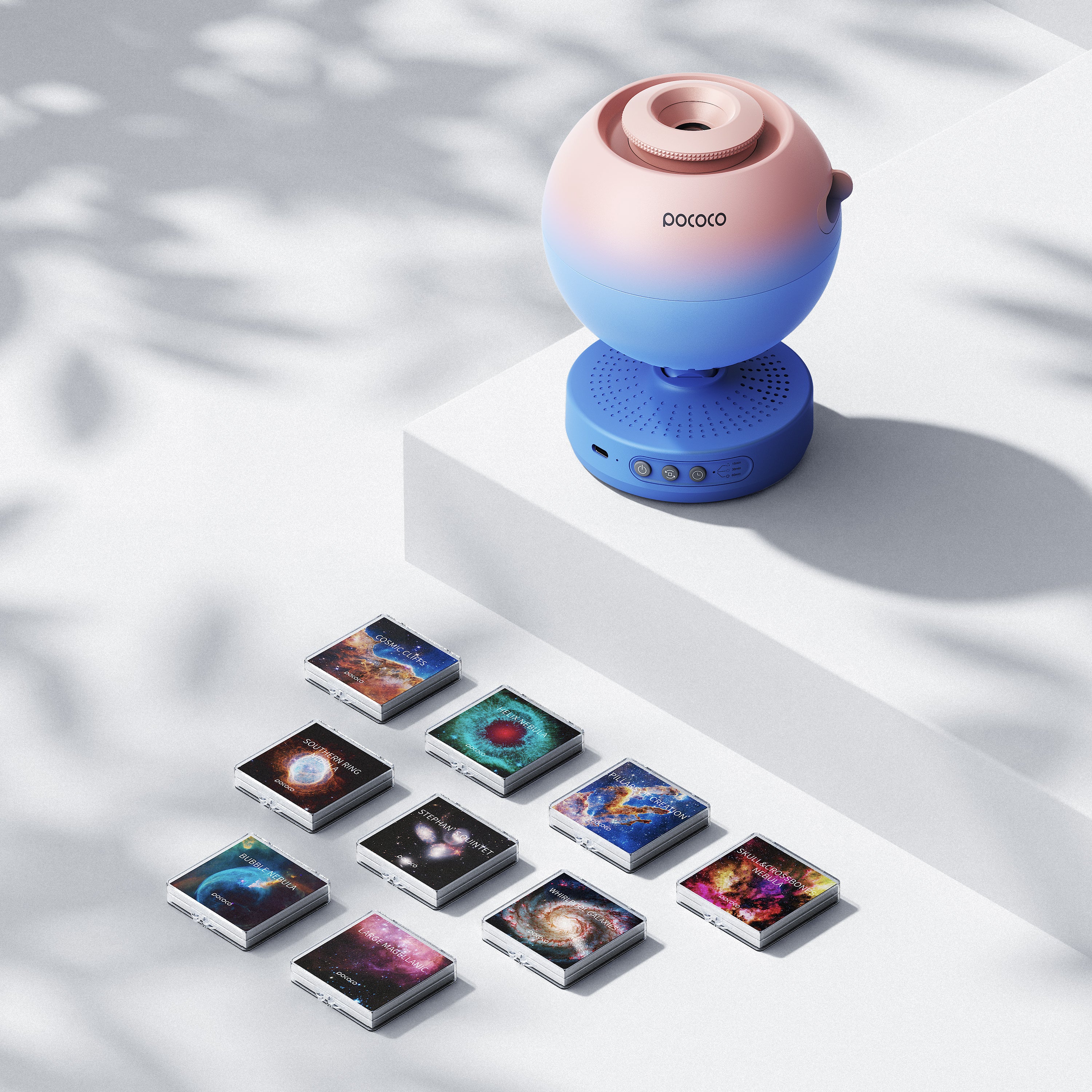
POCOCO's galaxy projectors were designed with exactly this in mind. The slow-drifting star fields, the warm and gentle ambient light, the quiet consistency of it night after night — it's not decoration. It's permission. A soft, steady signal that says: you can stop now. You're held.
This Mental Health Awareness Month, the shift doesn't have to be big. Sometimes it's just changing what your room feels like after dark — and letting that gentleness do the rest.

Commenta
Nota che i commenti devono essere approvati prima di essere pubblicati.
Questo sito è protetto da hCaptcha e applica le Norme sulla privacy e i Termini di servizio di hCaptcha.