








Key Takeaways
- Summer makes bedtime harder not because kids need less sleep, but because their days are fuller and their schedules less predictable.
- A calming bedtime routine works by giving kids the same signals each night, so their bodies learn when it's time to slow down.
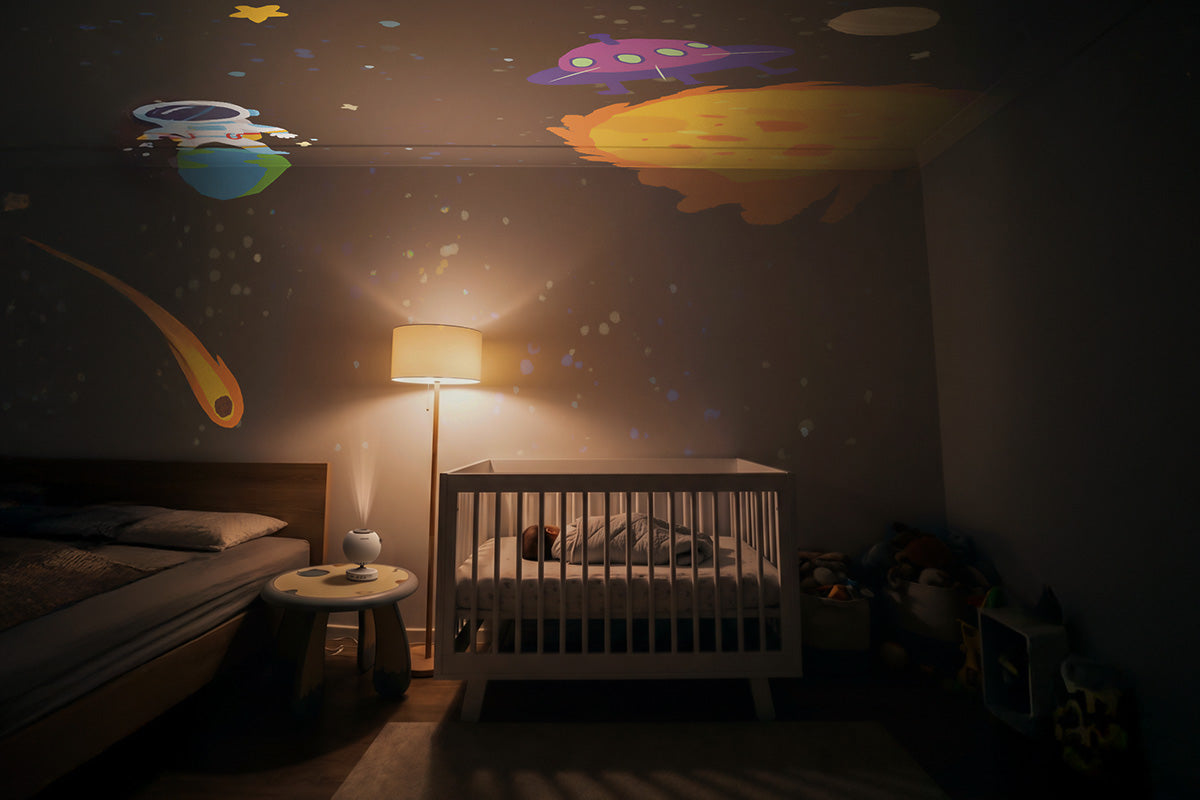
- Soft rituals — a story, dim lights, a calming visual like a galaxy projector — can turn bedtime from a battle into something kids look forward to.
Summer nights are full of excitement — longer days, outdoor adventures, and extra playtime make for wonderful childhood memories. They can also make bedtime a lot harder.
The goal isn't to cut the fun short. It's to help kids gently shift from an exciting day into a calm, sleepy one, and a predictable bedtime routine is the easiest way to do that.
Table of Contents
- Why Summer Makes Bedtime Harder for Kids
- What Makes a Good Bedtime Routine for Kids?
- 6 Calming Activities to Add to Your Child's Bedtime Routine
- Create a Summer Bedtime Routine Chart
- Why a Calming Sleep Environment Matters for Kids
- Helping Kids Feel Comfortable Sleeping in Their Own Room
- FAQ
Why Summer Makes Bedtime Harder for Kids
A few things change at once in summer. The sky stays light well past dinner, so bedtime can feel confusing when it doesn't look like night yet. Days are fuller, with trips, outdoor play, and extra activities keeping kids' minds more active than usual. And without a school schedule, sleep and wake times drift, making the whole day feel less predictable.
What Makes a Good Bedtime Routine for Kids?
A good bedtime routine works less like a deadline and more like a signal. The best ones share three things: they're predictable, following the same order each night; they're calming, lower in stimulation than the rest of the day; and they're enjoyable, more cozy wind-down time than a rush to lights-out. When bedtime feels good, kids stop resisting it.
6 Calming Activities to Add to Your Child's Bedtime Routine
A calming routine doesn't need to be elaborate. A few small, repeatable activities are enough to help kids wind down:
- Story time under soft lighting. Reading together with dim, warm light instead of a bright overhead bulb helps cue a slower pace.
- Talk about their favorite moment of the day. A simple check-in helps kids feel heard before lights out.
- Gentle music or white noise. Steady, quiet sound can mask household noise without adding stimulation.
- Simple stretching or breathing. A few slow movements give restless energy somewhere to go.
- Create a cozy bedroom atmosphere. Soft light and familiar textures turn the room itself into part of the ritual, especially with space-themed bedtime experiences kids look forward to.
- Keep the same bedtime sequence. Whatever the order, repeating it nightly is what makes it work.
Create a Summer Bedtime Routine Chart
Predictability is easier for kids to follow when it's visible. A simple routine chart, the same few steps in the same order every night, gives kids something concrete to expect. A basic summer version might look like this:
| Time | Routine |
|---|---|
| 7:00 PM | Bath time |
| 7:30 PM | Story time |
| 7:45 PM | Dim lights & calming atmosphere |
| 8:00 PM | Bedtime |
Adjust the times to fit your family, and let your child help decorate or personalize it. Kids are often more willing to follow a routine they had a hand in creating.
Why a Calming Sleep Environment Matters for Kids
Kids' brains respond well to the same things adults' do: familiar cues, a predictable environment, and calming visuals that signal it's time to slow down. A room that looks and feels the same every night helps bedtime become automatic instead of a negotiation.
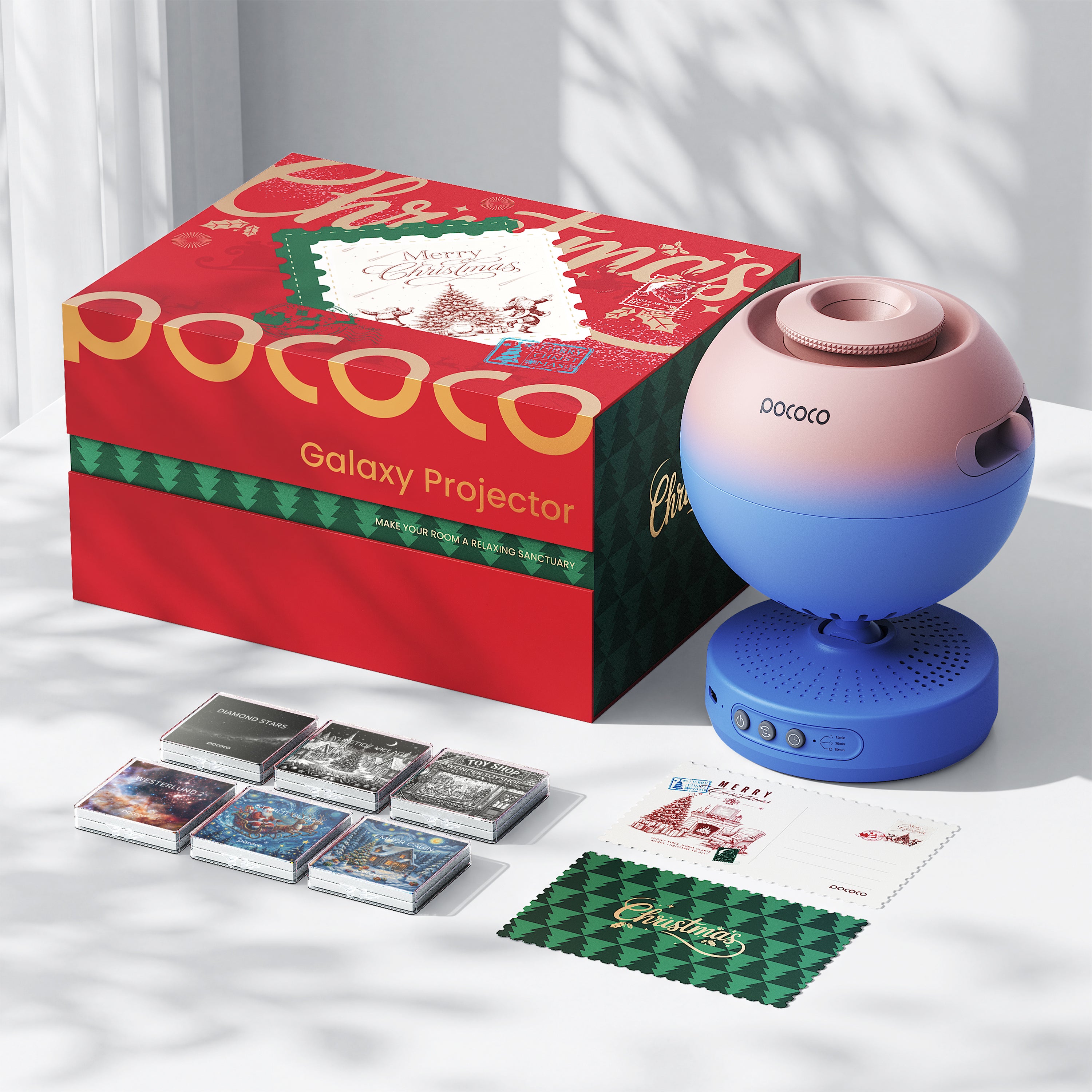
This is where something like a planetarium projector for kids tends to fit naturally into the ritual. POCOCO isn't a sleep tool, it's more of a bedtime companion, filling the room with a slow, starry glow that turns story time into something a little magical, night after night.
Shop the POCOCO Galaxy Projector →
Helping Kids Feel Comfortable Sleeping in Their Own Room

For some kids, summer disruptions make their own room feel less familiar again. A few small things help: keep the room warm and inviting rather than stark, let your child pick one or two comfort items to keep nearby, and repeat the same cues, the same light, the same story spot, so the room feels safe again through repetition rather than pressure.
If bedtime has turned into a nightly negotiation, it's often less about the room itself and more about the routine around it. This piece on how to create a better sleep environment goes deeper into breaking that cycle.
FAQ
What is a good bedtime routine for kids?
A good bedtime routine is predictable, calming, and enjoyable — the same few steps in the same order each night, like a bath, a story, and dim lighting. The consistency itself is what helps kids' bodies recognize it's time to sleep.
How can I get my child to sleep earlier in summer?
Start by making the routine leading up to bedtime more consistent, even if bedtime itself shifts slightly later in summer. Dimming lights and lowering activity in the hour before bed helps signal to your child's body that the day is winding down, regardless of how bright it still looks outside.
What calming activities help kids before bed?
Quiet, low-stimulation activities work best: reading together, a few minutes of gentle music, simple stretching, or a calm conversation about the day. The specific activity matters less than doing the same ones consistently, night after night.
Can a galaxy projector help create a bedtime routine?
It can be a helpful part of one. A galaxy projector adds a consistent, calming visual cue kids come to associate with bedtime, and for many kids, the appeal of watching it makes the wind-down routine something to look forward to rather than resist.

Leave a comment
All comments are moderated before being published.
This site is protected by hCaptcha and the hCaptcha Privacy Policy and Terms of Service apply.