



Key Takeaways
- An ADHD-friendly room does not need to look empty or clinical. Reducing visual clutter and creating clear activity zones can make the space easier to use.
- Low-stimulation lighting, a dedicated wind-down corner, and predictable evening cues may make a calming routine easier to recognize and repeat for some people.
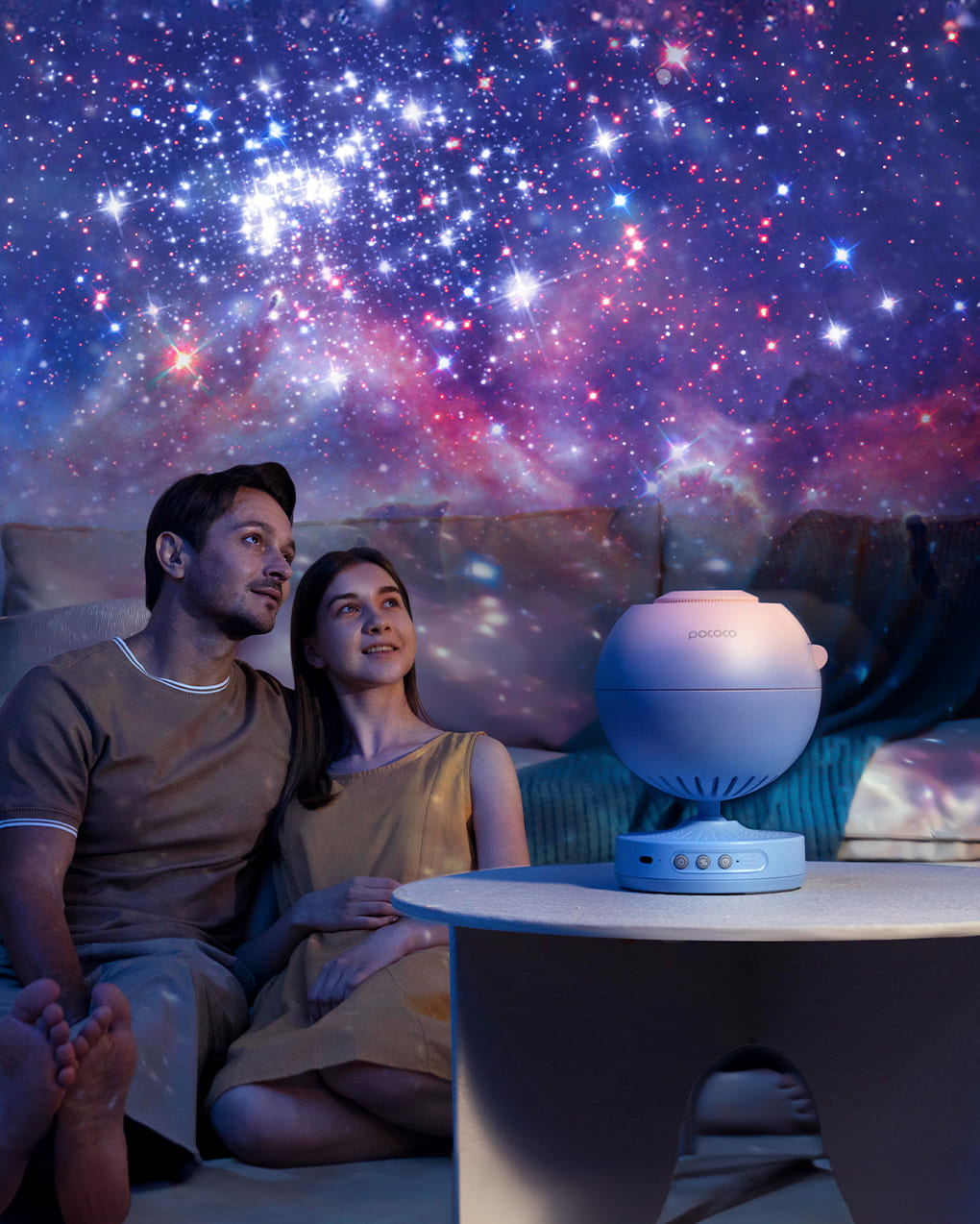
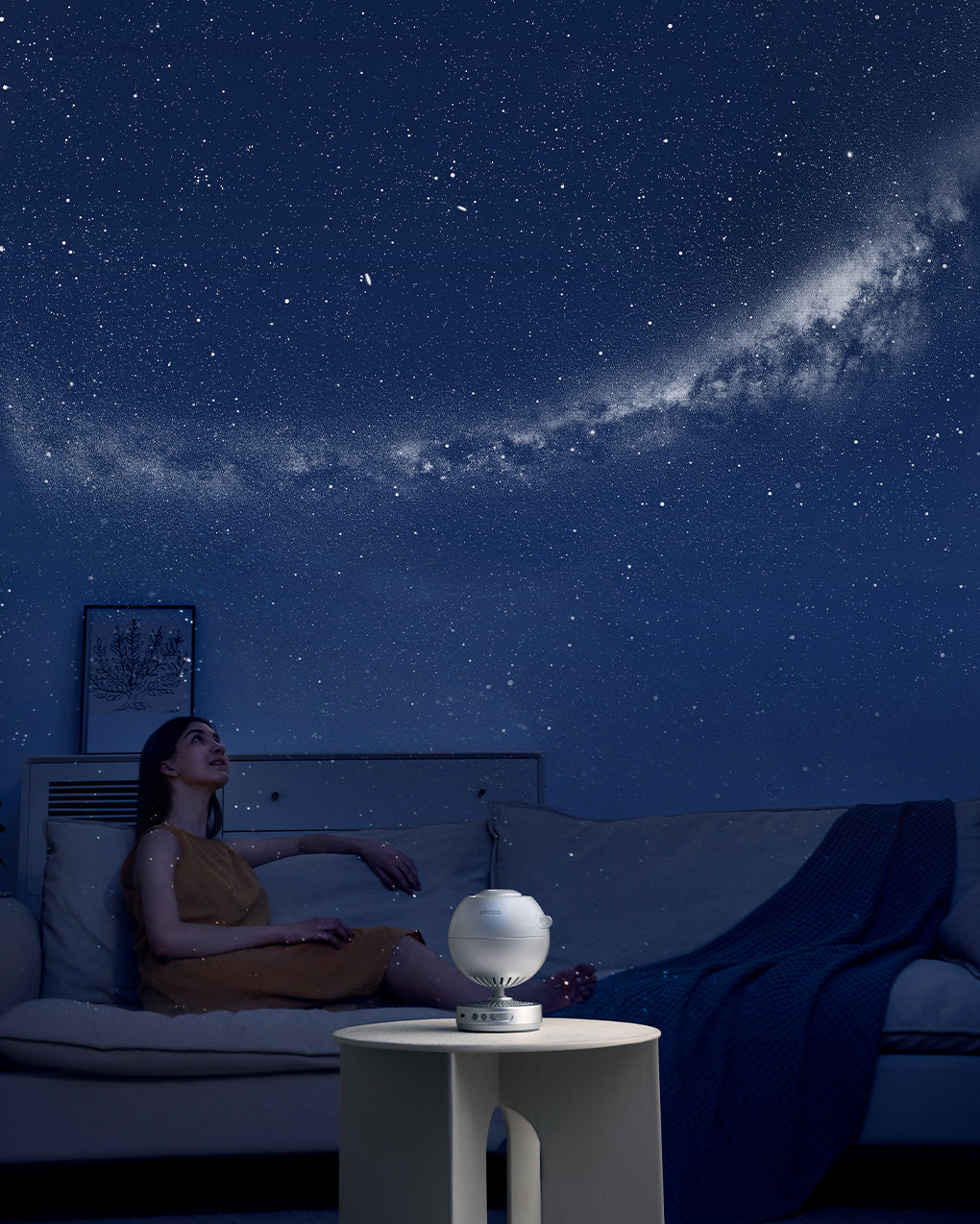
- A POCOCO Galaxy Projector can act as a visual transition cue, helping mark the shift from an active day to a quieter evening without making any medical or treatment claims.
A bedroom should feel like a place to rest, but it can easily become one more source of visual and sensory information. Clothes on a chair, open shelves, unfinished projects, bright overhead lights, and several devices can make the room feel connected to daytime activity long after the day is over.
For people with ADHD, creating a more comfortable bedroom may begin with the space itself. The goal is not to design a perfect room or remove every source of stimulation. Instead, small environmental choices can make the room easier to understand, easier to use, and easier to return to at the end of the day.
This guide focuses on practical ADHD-friendly room ideas, including how to reduce visual clutter, create a sensory-friendly corner, choose calming sensory lighting, and build an ADHD wind-down routine that feels realistic.
These suggestions are about room design and routine-building, not medical treatment. The best setup is personal, and lighting or visual effects that feel calming to one person may feel distracting to another.
Table of Contents
- What Makes a Room Feel More ADHD-Friendly?
- 1. Reduce Visual Clutter First
- 2. Create a Dedicated Wind-Down Corner
- 3. Use Low-Stimulation Lighting
- 4. Build Predictable Evening Cues
- 5. Add Reading, Journaling, or Calming Activities
- 6. Use a POCOCO Galaxy Projector as a Visual Transition Cue
- Why We Recommend the POCOCO Galaxy Projector
What Makes a Room Feel More ADHD-Friendly?
An ADHD-friendly room is not defined by one particular decorating style. It can be colorful, cozy, minimalist, or highly personal. What matters is whether the space supports the activities that happen there.
The most useful rooms usually share three qualities:
Fewer competing signals. When too many objects, colors, lights, and sounds compete for attention, a room may feel visually busy. Reducing unnecessary focal points can make the space easier to read.
Clear activity zones. Different areas should have recognizable purposes. The bed can be reserved for rest, a chair or corner can be used for reading and journaling, and a basket or shelf can hold daily essentials.
Repeatable cues. An evening routine may feel easier to follow when it begins with the same few actions. Dimming the main light, putting away a device, turning on a familiar light source, and starting a quiet activity can create a recognizable change of pace.
These environmental choices do not treat ADHD. They simply create a room that may feel more predictable and less overwhelming for some people.
1. Reduce Visual Clutter First
Reducing visual clutter is often the easiest place to begin. You do not need to organize the entire bedroom in one day. Start with the area around the bed or the place where the evening routine usually begins.
Keep only the items that are genuinely needed in that area. A book, notebook, water bottle, glasses, or charging cable can each have a fixed place. Less frequently used items can be moved into drawers, baskets, or closed storage.
Open shelves can be useful, but too many visible objects may make a room feel unfinished. Grouping similar items together or using a few consistent storage containers can make the space easier to scan without removing its personality.
It can also help to create a temporary home for unfinished projects. A basket or box can hold school materials, art supplies, or items that need attention the next day. The purpose is not to hide everything, but to keep unfinished tasks from spreading across the bedroom.
Ask one simple question: Which objects need my attention right now? Keep those items visible and give everything else a defined place.
For more ideas, read our guide to ADHD-friendly bedroom ideas for creating a space that feels less overwhelming.
Best for: Bedrooms that feel busy, unfinished, or difficult to reset at the end of the day.
Limitation: Organization works best when storage is simple enough to maintain consistently.
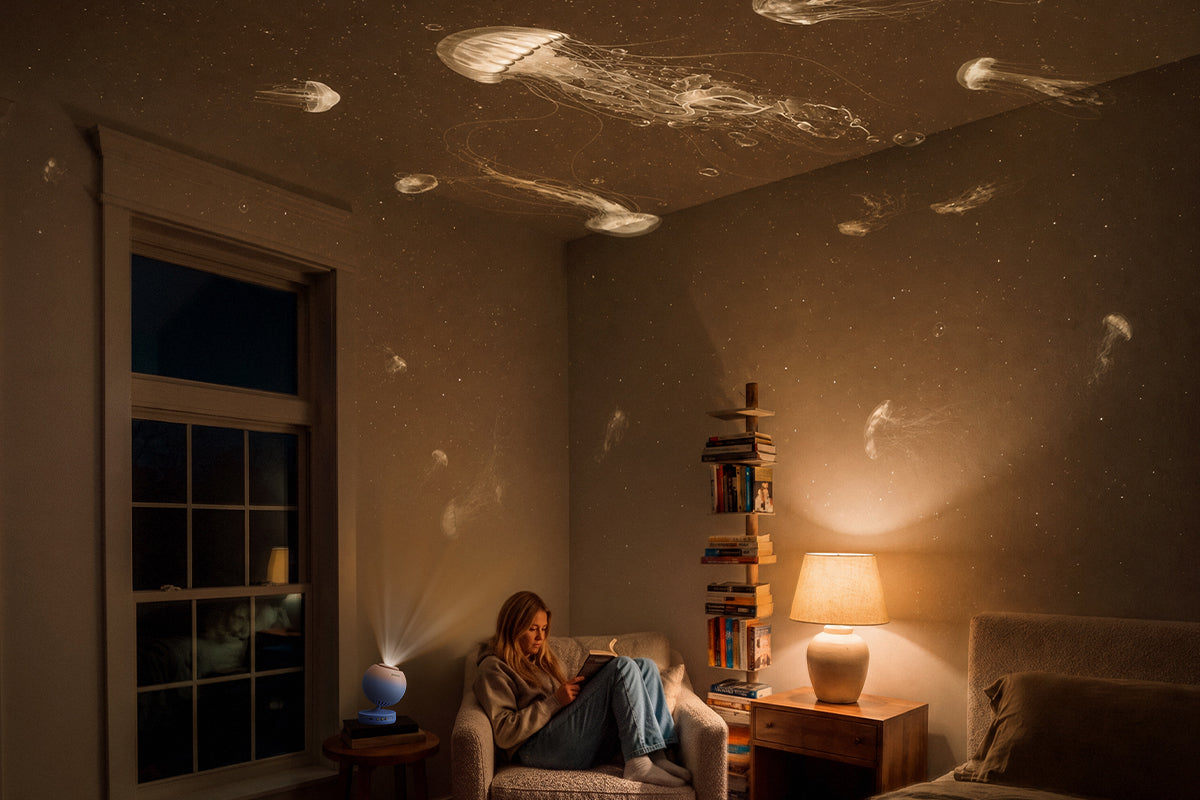
2. Create a Dedicated Wind-Down Corner
A wind-down corner does not need to be large. It can be a comfortable chair, a floor cushion, a small rug, or one side of the bed. The important thing is that it is easy to access and connected with quieter activities.
Keep the setup simple. A comfortable seat, a soft blanket, a small basket for books or journals, and one gentle light source may be enough. Avoid filling the area with too many choices, especially if deciding what to do becomes another source of stimulation.
A sensory-friendly corner can include items that feel comfortable to use, such as a textured blanket, headphones, a notebook, or a favorite book. These items should be easy to reach and easy to put away.
The space should also be easy to leave. It should not become another complicated project that needs to be prepared every night. A useful wind-down corner is one that can be used within a few minutes, even after a busy day.
When the same area is used for reading, journaling, or another quiet activity, it can gradually become a familiar part of the evening routine.
Best for: Creating a clear transition between active time and quiet time.
Limitation: Too many objects or activity choices can make the corner feel stimulating rather than calming.
3. Use Low-Stimulation Lighting
Lighting changes the way a bedroom feels. Bright overhead lights can make the space feel active and functional, while softer layers of light can create a more comfortable evening atmosphere.
Instead of relying on one strong ceiling light, consider using a bedside lamp, reading light, wall light, or low-brightness projector. This gives you more control over the room’s atmosphere throughout the day.
For bedtime, choose a low brightness setting and avoid fast-moving or highly contrasting effects. For reading, use a proper reading light and keep any decorative projection soft enough that it does not compete with the page.
Sensory lighting preferences are individual. Some people enjoy slow movement, while others prefer a still image. Some prefer warmer colors, while others feel more comfortable with cooler tones. The best setup is adjustable rather than fixed.
A sensory light projector can be useful when it gives the user control over brightness, movement, and duration. If a projection feels distracting, reduce the brightness, slow the rotation, choose a simpler scene, or turn it off.
The goal of calming sensory lights is not to create a dramatic visual effect. It is to help the room feel less connected to daytime activity and more suitable for quiet time.
Best for: People who feel uncomfortable with harsh overhead lighting or want more control over the atmosphere of a bedroom.
Limitation: Decorative lighting should not replace a proper task light for reading, studying, or other detailed activities.
4. Build Predictable Evening Cues
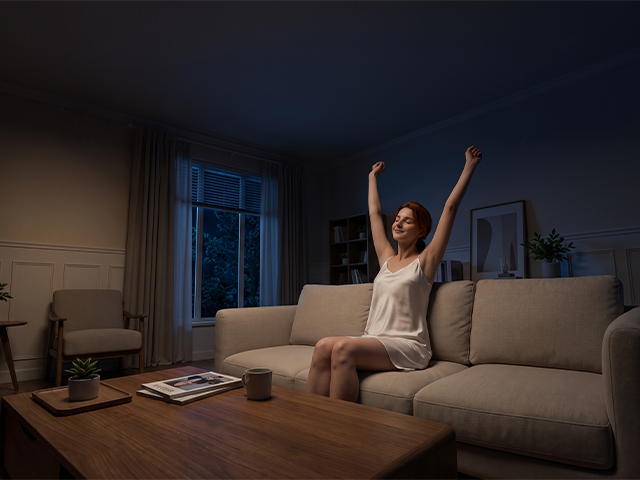
For some people, the hardest part of winding down is not knowing that it is time to rest. It is making the transition from active time to quiet time. A predictable evening cue may make that change easier to recognize.
The cue does not have to be complicated. It may be a sequence of three or four actions:
- Put away the main device or unfinished activity.
- Dim the overhead light.
- Turn on the same gentle light or projection.
- Begin reading, journaling, or another quiet activity.
Repeating the same sequence can make the routine more familiar. It can also reduce the number of decisions needed at the end of the day.
A visual cue can be useful because it is immediately visible. Turning on a familiar projection may signal that the room is changing from an active space into a wind-down space.
These cues are not medical treatment, and they will not work in exactly the same way for everyone. They are simply environmental signals that may make a routine easier to identify and repeat.
For more ideas about evening routines, read ADHD and Sleep: Why Your Brain Won’t Switch Off at Night.
Best for: Creating a consistent transition from daytime activity to evening rest.
Limitation: A routine may need to be adjusted over time to match changing schedules, energy levels, and personal preferences.
5. Add Reading, Journaling, or Calming Activities
A room becomes more useful when it supports a specific activity. Rather than designing a space that only looks calm, choose one or two activities that feel realistic at the end of the day.
Reading
Use a separate reading light and keep the projection at a low brightness. A still or slowly moving scene can add atmosphere without becoming the main focus.
Journaling
Keep a notebook and pen in the wind-down corner. Writing down thoughts, plans, or reminders can create a clear endpoint to the day, although the experience will be different for everyone.
Quiet Creative Activities
Coloring, stretching, listening to music, simple puzzles, or looking through a favorite book can all work as lower-stimulation activities. The best choice is the one that feels easy to begin without requiring much preparation.
Try to keep the number of choices limited. A small menu of familiar activities may feel more usable than a large collection of objects that all need attention.
Best for: Giving the wind-down corner a clear and practical purpose.
Limitation: The activity should feel optional and enjoyable, not like another task that must be completed perfectly.
6. Use a POCOCO Galaxy Projector as a Visual Transition Cue
The POCOCO Galaxy Projector can be included in this type of room setup as a visual transition cue. The projector is not a treatment for ADHD, and it will not feel calming for everyone. Its role is simpler: it can provide one consistent visual action that marks the beginning of a quieter part of the evening.
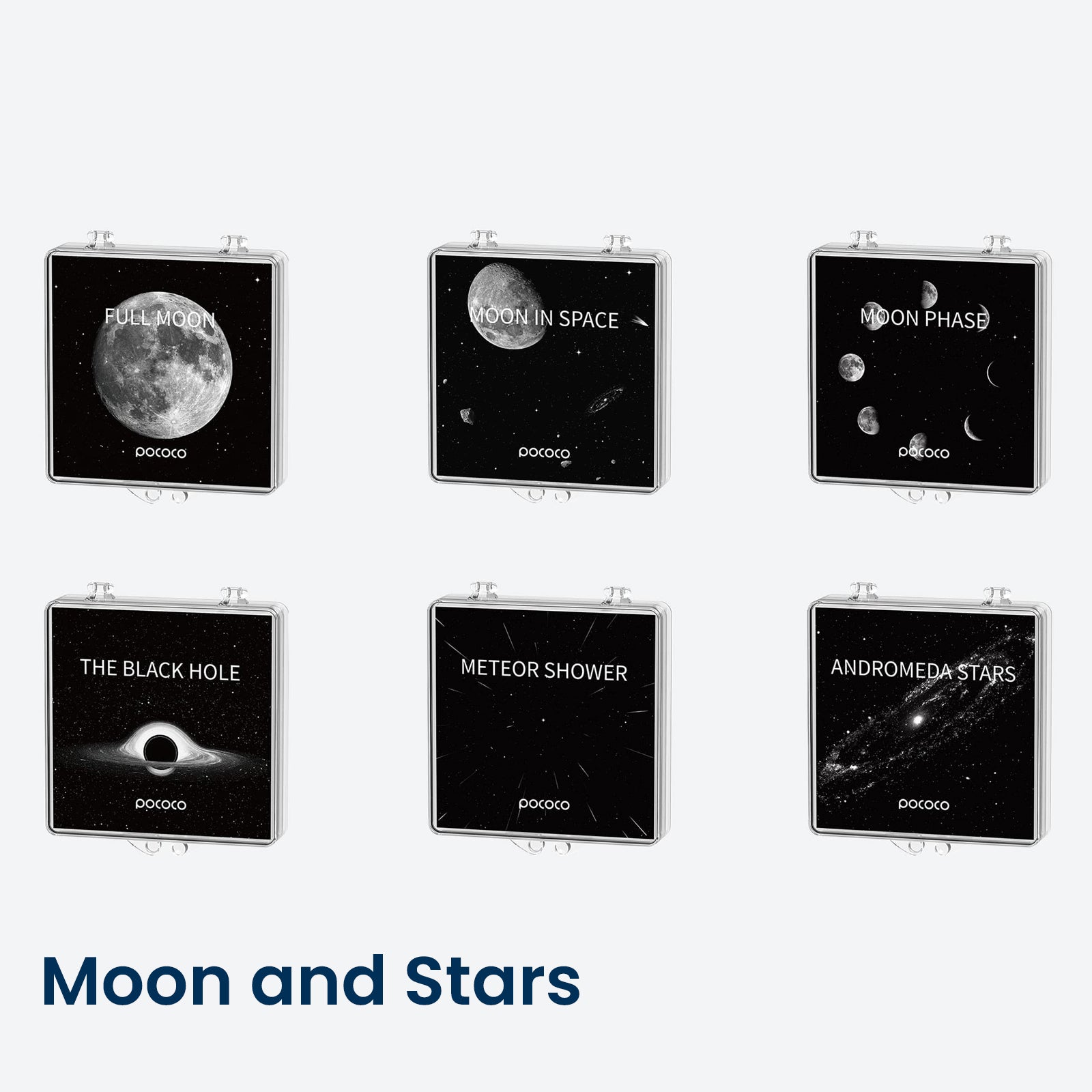
For a lower-stimulation setup, choose a soft projection disc, reduce the brightness, slow the rotation, and use the timer. Try using the same setting for several evenings so the routine feels familiar.
Different scenes can support different activities. A softer star scene may suit bedtime, while a clear space scene may work well during reading or journaling. A more vivid scene can be reserved for storytelling or imaginative activities earlier in the evening.
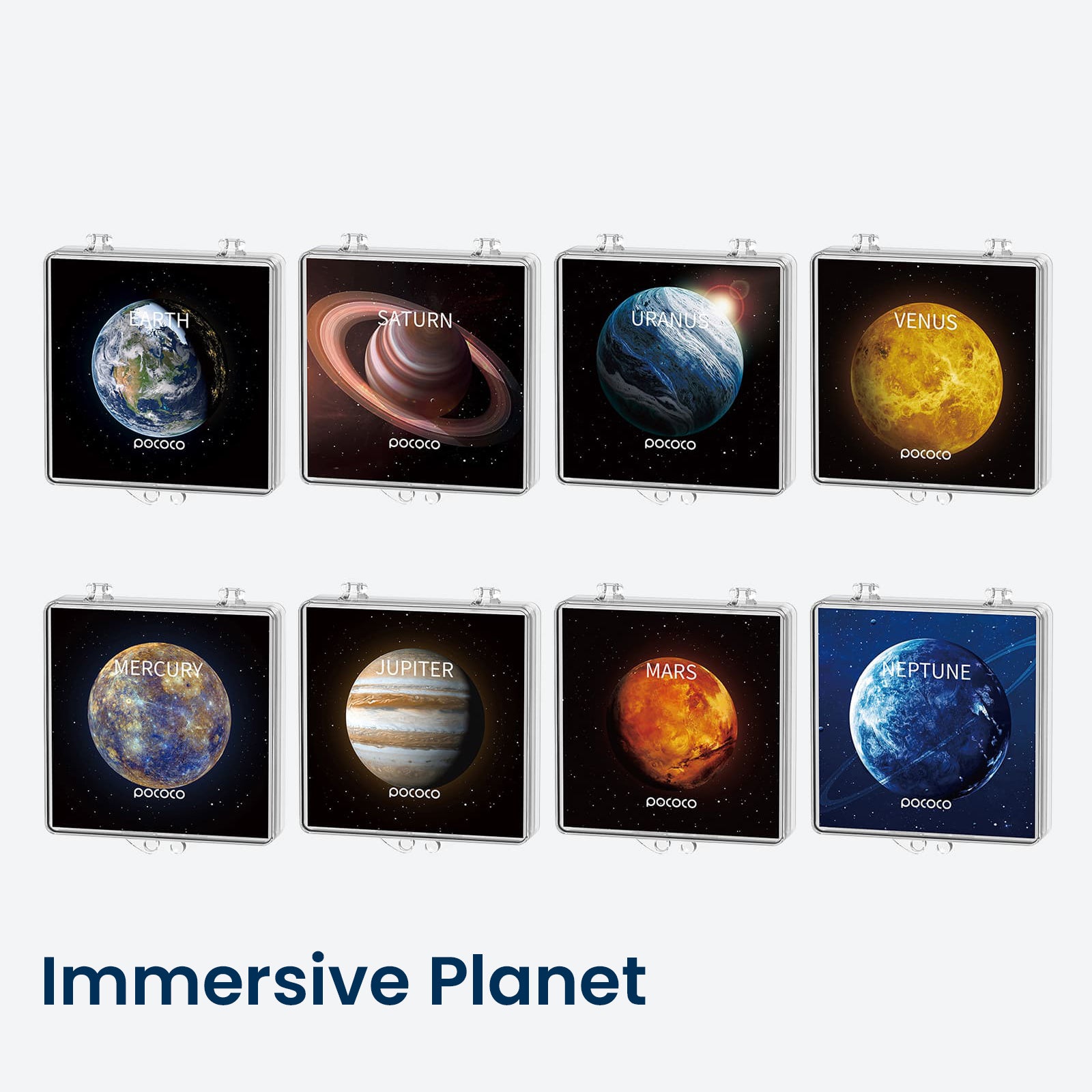
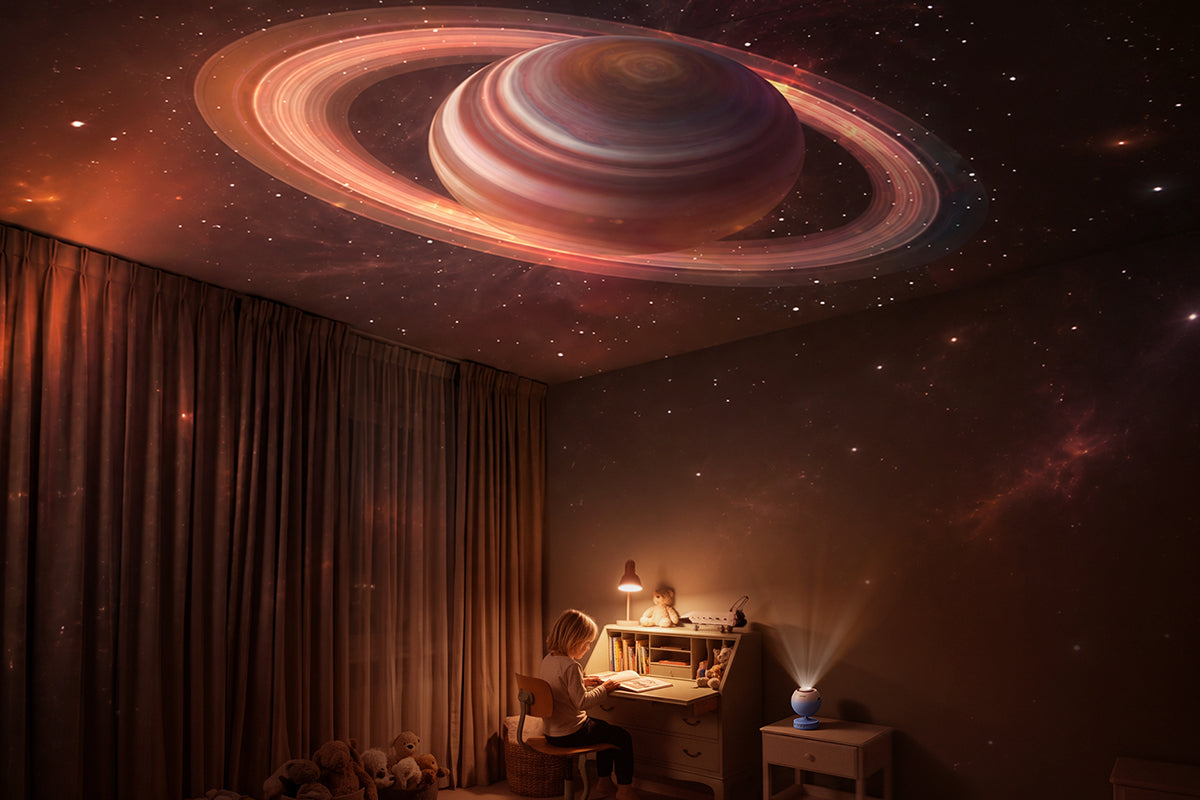
A POCOCO Planetarium Projector setup with planet-themed discs can also add a gentle learning element to a reading or quiet activity corner. The focus should remain on curiosity and enjoyment rather than creating another task that must be completed.
The most important part is consistency. Place the projector in the same location, use a similar brightness level, and connect it with one familiar activity. These repeated details may make the room feel more predictable.
Best for: Adding a simple visual cue to an ADHD wind-down routine.
Limitation: If moving images or colored light feel distracting, use a still scene, lower the brightness, or leave the projector off.
Why We Recommend the POCOCO Galaxy Projector
We recommend the POCOCO Galaxy Projector for this type of room setup because it can adapt to different levels of stimulation.
A soft, still projection may suit bedtime, while a clearer planet or space scene can support reading, storytelling, or quiet exploration. Adjustable brightness, rotation, and timer settings make it easier to personalize the experience.
The interchangeable disc system also keeps the setup flexible. Instead of changing the entire room, you can change the projected scene depending on the activity. This makes the projector more adaptable than a fixed night light.
Still, the right setup is personal. If the projection feels too bright, too active, or visually distracting, lower the brightness, select a simpler scene, slow the rotation, or leave the projector off.
Creating an ADHD-friendly room does not require a perfect layout or a complete redesign. Start with one clear area, reduce visual clutter around the bed, choose softer lighting, and create one evening cue that can be repeated.
A sensory-friendly corner should feel usable, not restrictive. With the right brightness, projection scene, and timer setting, a POCOCO Galaxy Projector can become a simple visual signal that the day is moving into a quieter phase.

Leave a comment
All comments are moderated before being published.
This site is protected by hCaptcha and the hCaptcha Privacy Policy and Terms of Service apply.