




Key Takeaways
- When it gets dark early, you do not have to treat the whole evening as bedtime. Give everyday tasks, personal downtime, and sleep preparation their own stages.
- A familiar action, such as turning on a favorite POCOCO projection, can become a visual cue that your personal wind-down time is beginning.
- Enjoy the projection during a quiet activity, then turn it off before bed. Keep a separate lamp for reading or writing, and make the bedroom dark when it is time to sleep.
It is dark when you leave work. By the time dinner is finished, the windows are black, but your day is not quite over: there may be a message to answer, a lunch to pack, or laundry waiting in the next room.
When evening arrives early, it can feel as if the day has already ended before you have had any time to yourself. But darkness outside does not have to mean starting your entire bedtime routine at six o’clock. A more useful approach is to give the evening a few distinct stages, so there is room for both ordinary life and a clear finish.
When It Gets Dark Before Your Day Is Done
Shorter days can blur the line between “I’m home” and “I’m ready to rest.” You might switch on the lights, open your laptop again, and keep moving from task to task without deciding when work is finished. Or you might feel pressure to get ready for bed simply because it is already dark.
Neither response leaves much space for a real pause. Instead, think of your evening as time with different purposes. Some parts are for handling what needs to get done. Another part can belong to you. The final part is for getting ready to sleep.
The goal is not to create a perfect routine or fill every minute. It is to make the transition between these parts more visible, so your evening feels like more than one long stretch of unfinished tasks.
Give Your Evening Three Clear Stages
A simple evening wind-down routine can have three stages. Adjust the timing to fit your workday, household, and bedtime; the stages matter more than the exact hour.
1. Finish the Everyday Tasks
After dinner, choose a realistic stopping point for practical tasks. Answer the messages that truly need an answer, prepare for tomorrow, or tidy one small area. A short list can help you avoid turning the whole evening into an open-ended catch-up session.
When you reach your stopping point, close the laptop, put away the work materials, and decide what can wait until tomorrow. You are not required to finish everything before you are allowed to rest.
2. Make Room for Personal Downtime
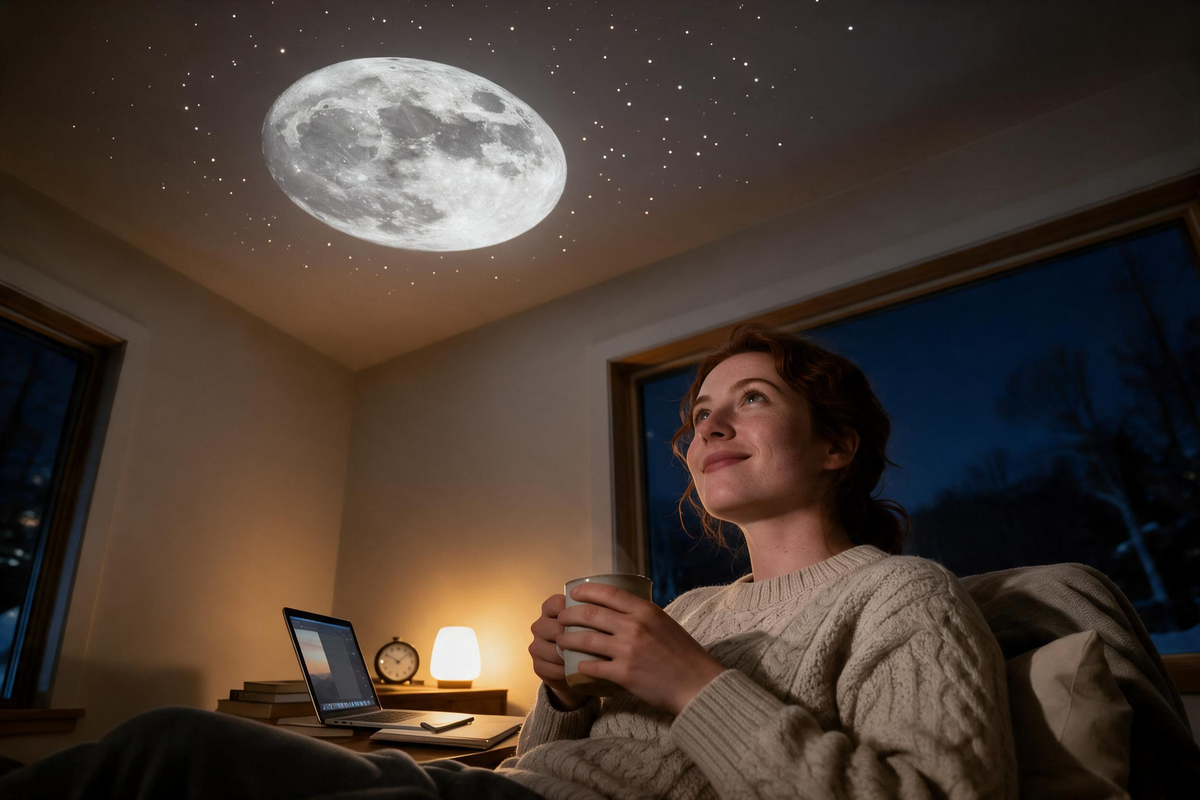
This is the middle stage: a little time that is not another obligation. You might read, write in a journal, listen to music, stretch gently, or sit somewhere comfortable without needing to be productive.
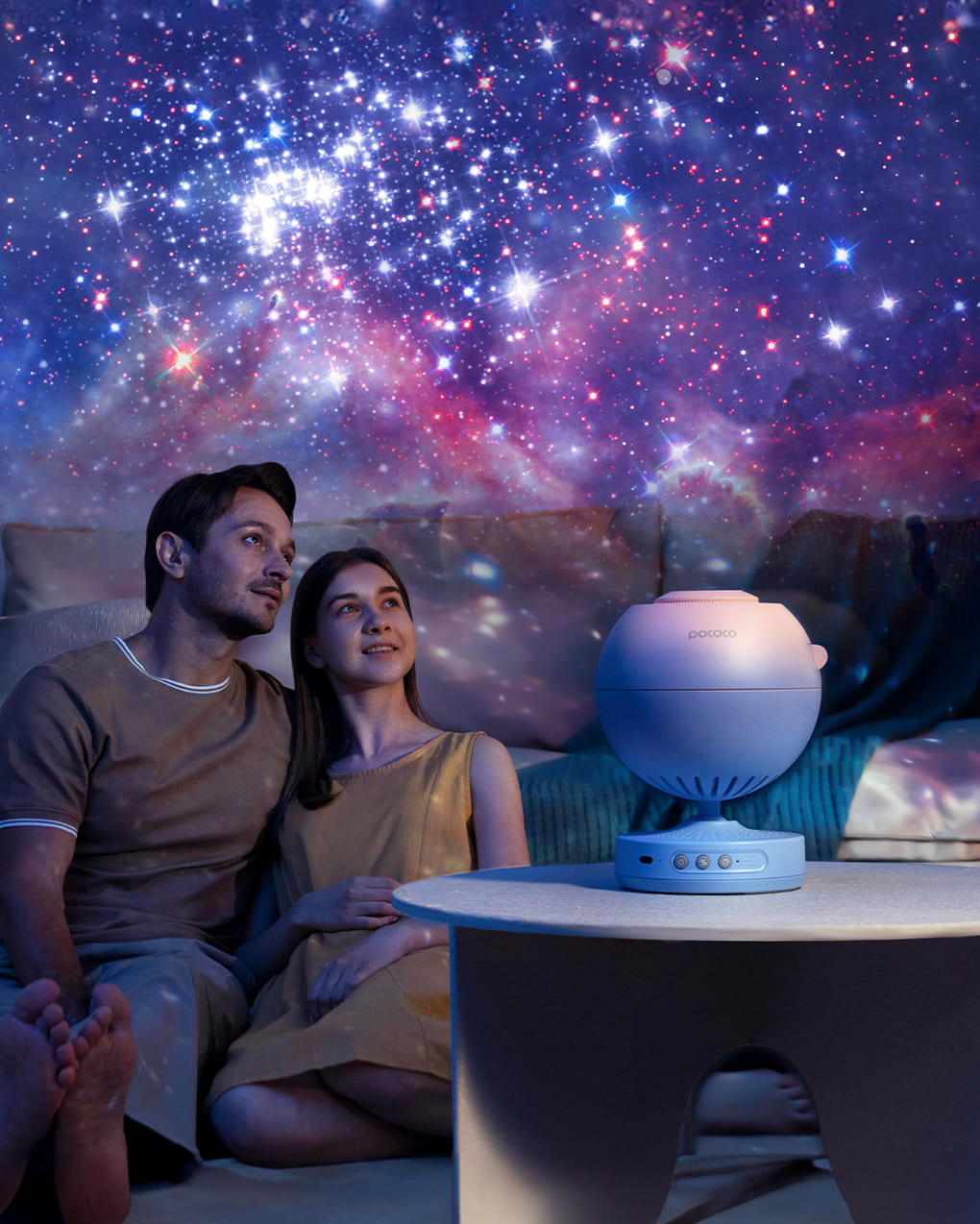
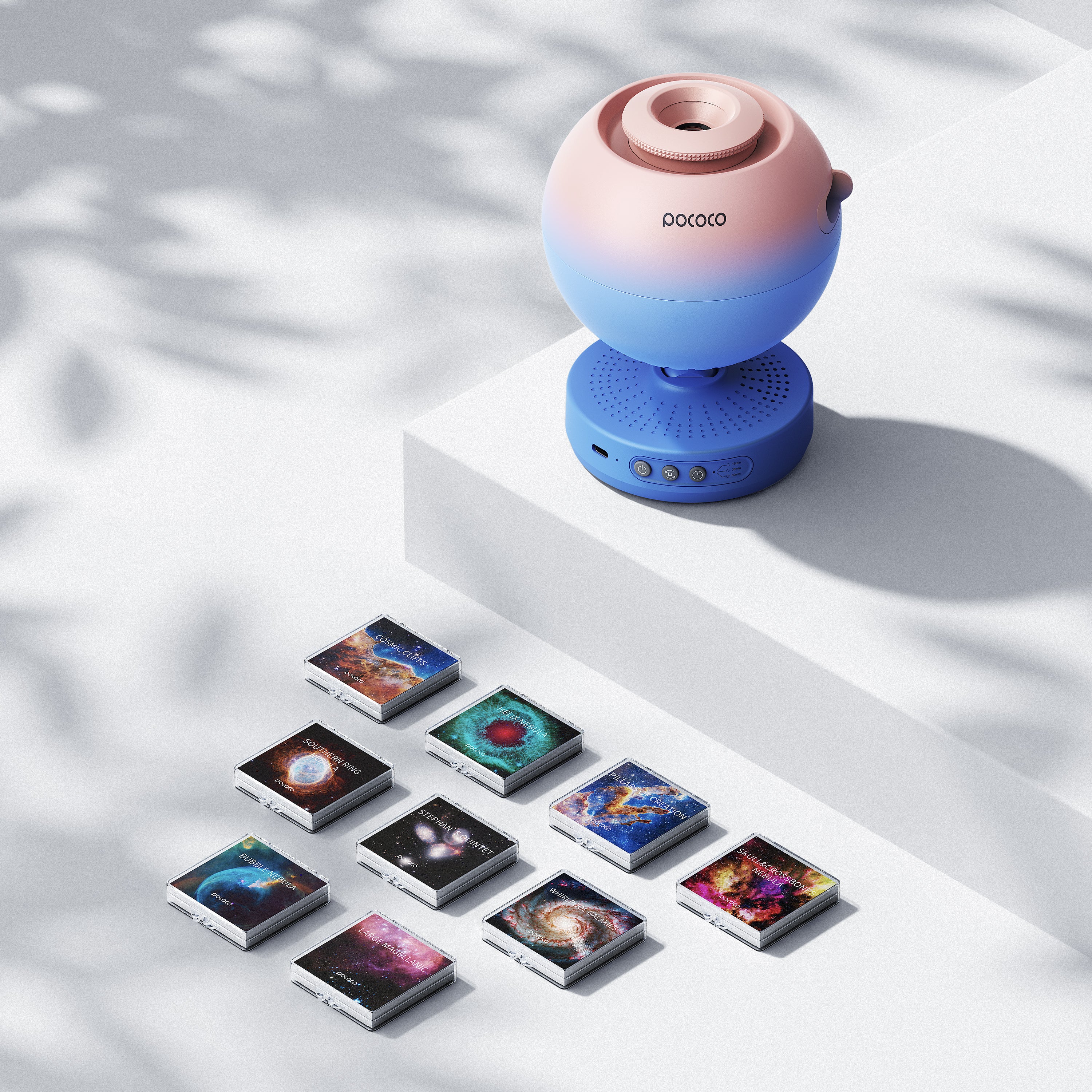
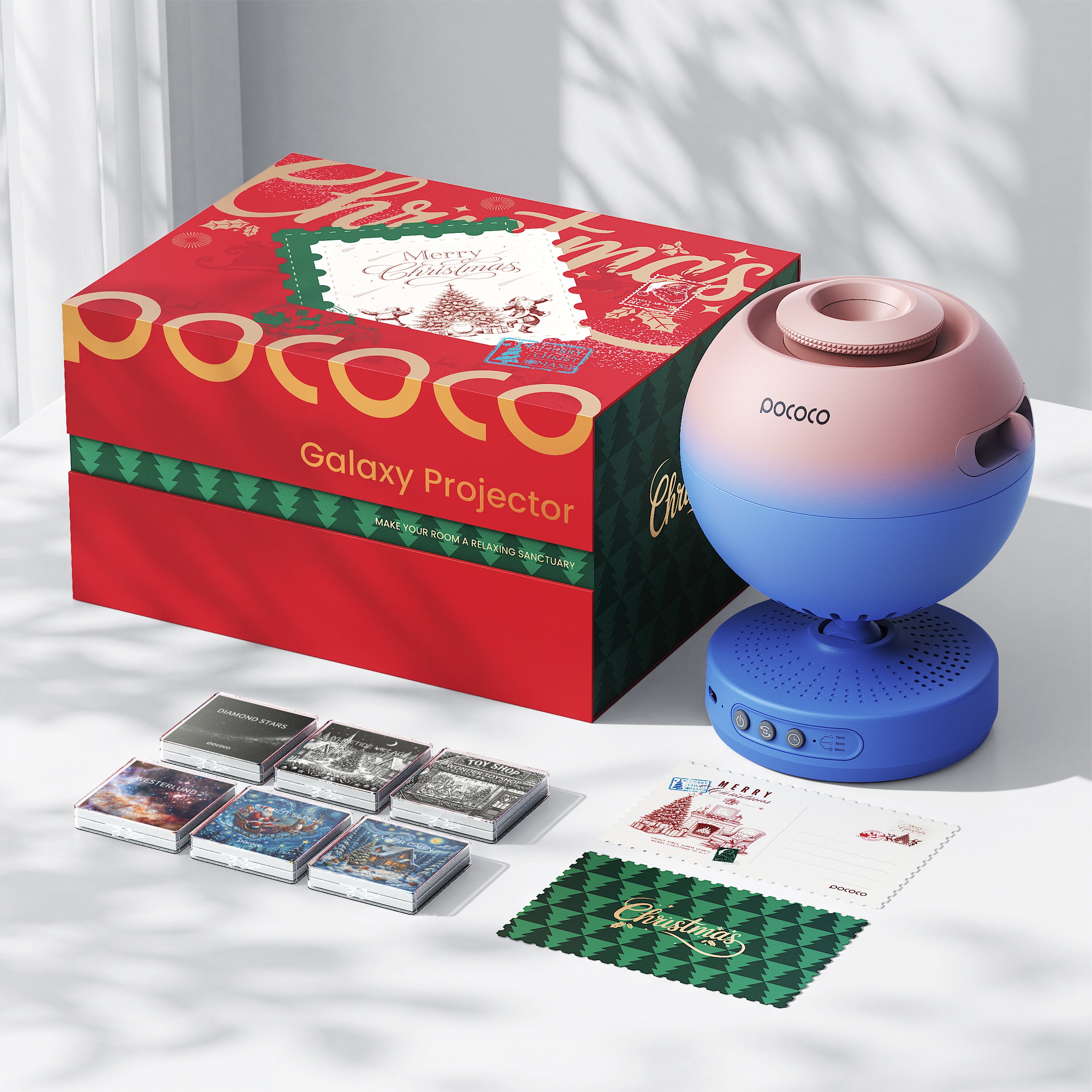
This is where a POCOCO Galaxy Projector can fit if you enjoy having a favorite starry scene in the room. Turning it on can be a small, repeatable signal that you are moving from tasks into personal time. The cue is the routine you choose to make, not a promised effect of the projection.
3. Prepare for Sleep
Give the evening a separate ending. Put away the book or journal, turn off the projection, brush your teeth, and move toward bed. Keeping this final stage distinct makes it easier not to confuse “time for myself” with “time to sleep.”
The National Heart, Lung, and Blood Institute recommends keeping sleep and wake times relatively consistent, using quiet time before bed, avoiding bright artificial light close to bedtime, and keeping the bedroom quiet, cool, and dark. These are general sleep-habit suggestions, not benefits provided by a projector. Read the NHLBI’s healthy sleep habits.
Create a Visual Cue for Your Wind-Down Time
A transition is easier to notice when it has a clear beginning. Choose a small sequence you can repeat: close your laptop, place your phone out of reach, sit in the same chair, and turn on a familiar projection. Then begin one quiet activity.
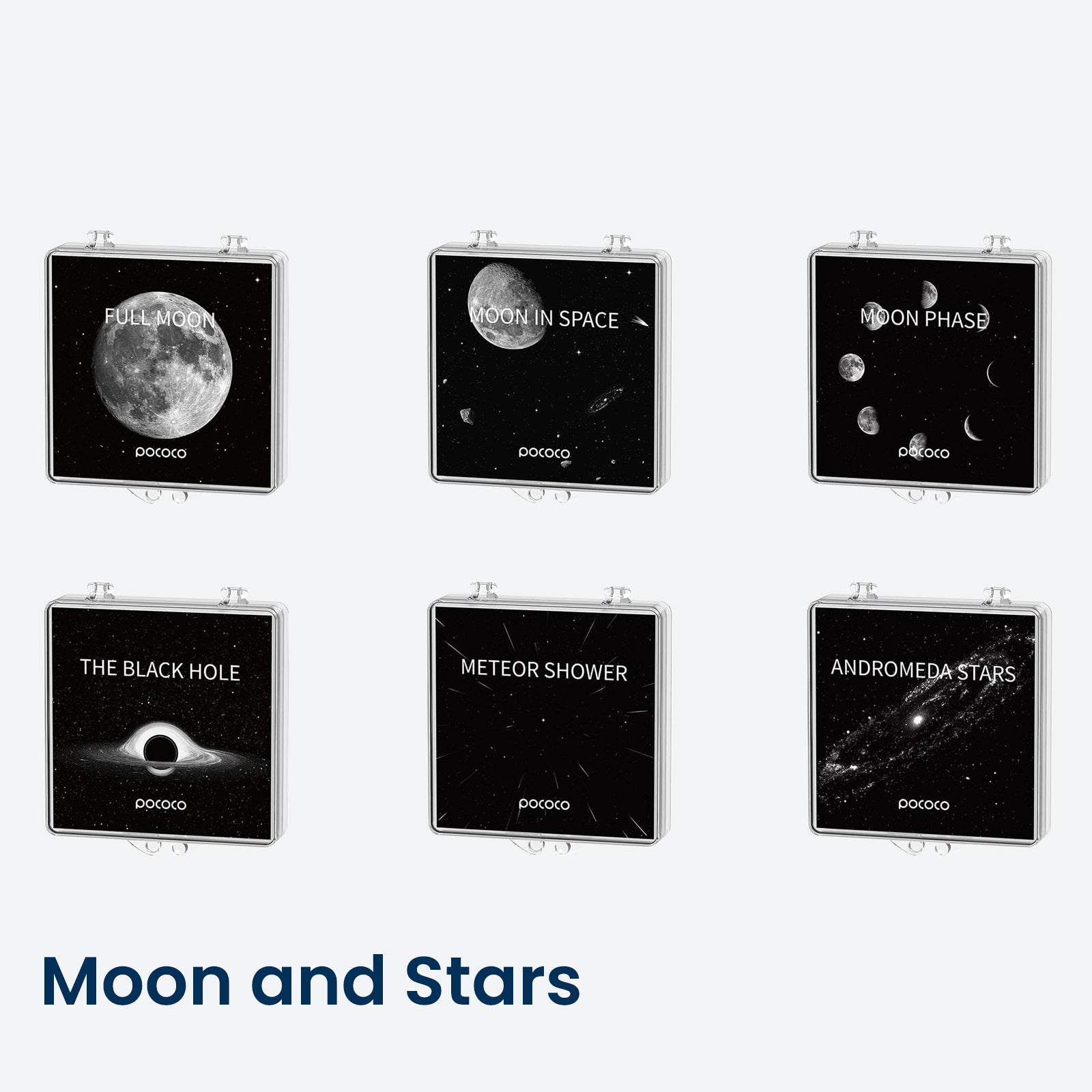
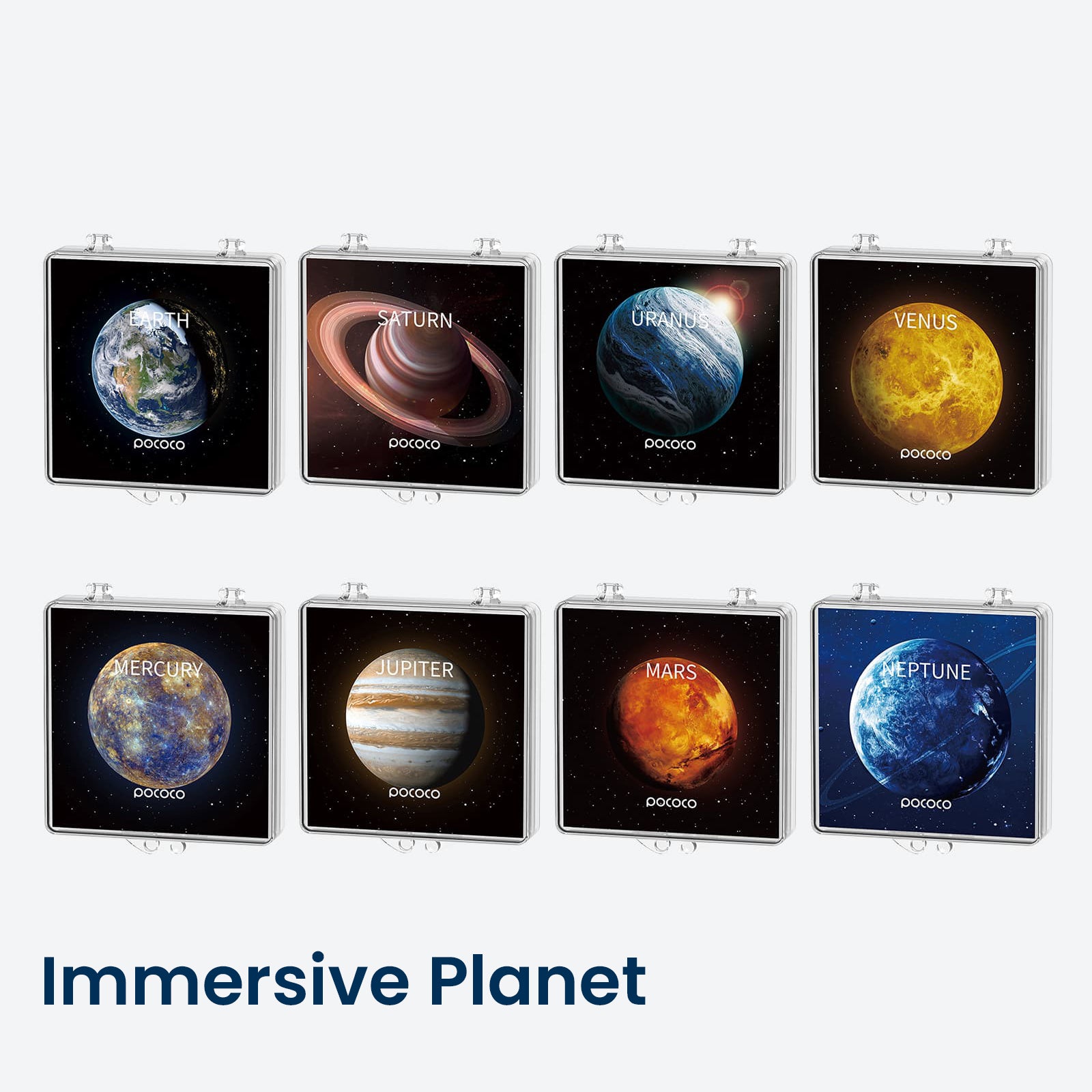
The order is flexible. You could turn on the POCOCO Galaxy Projector after changing into comfortable clothes, or make it the first thing you do when you settle into your reading corner. Choose a scene you like and keep the setup simple. If the image feels distracting, change the scene, adjust the placement, or leave the projector off that evening.
For reading or writing, use a separate reading lamp. The projection can be part of the room’s atmosphere, but it should not be the light you rely on to see the page or your journal clearly. If you want help choosing a disc, adjusting focus, or using the timer, see the POCOCO Galaxy Projector use guide.
Choose a Routine You Actually Enjoy
You do not need to read, journal, stretch, and meditate every night. Pick one option that feels inviting. On another evening, choose something different.
| If you want to… | Try this | Where the projection fits |
|---|---|---|
| Read for pleasure | Choose a chapter or set a comfortable stopping point. | Use a separate reading lamp; let a familiar scene sit in the background if you enjoy it. |
| Write a few lines | Note one thing on your mind, something you enjoyed, or what you want to remember tomorrow. | Turn on a favorite projection as you sit down, and use a desk or table lamp to write comfortably. |
| Enjoy a quiet pause | Sit comfortably, listen to a calm playlist, or simply take a few minutes without a task. | Choose a scene you like. Keep it on only for the time you have set aside. |
Try each option once before deciding whether it belongs in your regular routine. A relaxing evening routine is personal; it should fit the way you actually spend your time, not become another checklist to complete.
End the Ritual and Prepare for Sleep
A good routine has a finish as well as a beginning. Decide in advance what signals the end of personal downtime: the end of a chapter, the last journal entry, or a timer. When that point arrives, turn off the projection and shift into your usual bedtime preparations.
For example, if you are aiming for a 10:30 p.m. bedtime, your evening could look like this:
- 9:00 p.m. Close your laptop and put your phone aside.
- 9:05 p.m. Turn on your POCOCO Galaxy Projector and choose a familiar scene.
- 9:10 p.m. Read with a separate lamp, write a few lines, or enjoy a quiet pause.
- 9:30 p.m. Turn off the projection and begin getting ready for bed.
Change the times to suit your own schedule. The point is to give the projector a defined role in your evening, then switch it off rather than treating an illuminated projection as an all-night sleep environment. The product’s timer can help create an endpoint when you want one; you can also turn it off yourself.
Shorter days may change when your evening begins, but they do not have to take away the feeling that the evening belongs to you. Finish what needs doing, make space for one activity you enjoy, and give that time a clear close. If a familiar starry scene suits your routine, explore the POCOCO Galaxy Projector as one way to mark the transition.


Laat een reactie achter
Alle reacties worden gemodereerd voordat ze worden gepubliceerd.
Deze site wordt beschermd door hCaptcha en het privacybeleid en de servicevoorwaarden van hCaptcha zijn van toepassing.